
Why Families Consider Private Dementia Care
Private dementia care can mean help at home or care in a residential memory care setting. Home care may work when a person is safe with scheduled support. A residential setting may be a better fit when wandering, medication mistakes, or nighttime needs call for round-the-clock staff. To compare options, ask how each provider handles safety, caregiver training, daily activities, family updates, and changing care needs.
About 1 in 9 Americans age 65 and older lives with Alzheimer’s disease or another dementia. As needs grow, families may need more support than they can provide at home. The right choice should protect safety without losing sight of the person’s routines, comfort, and dignity. For a broader clinical overview, the Alzheimer’s disease entry offers background on how cognitive decline progresses and why specialized environments matter.
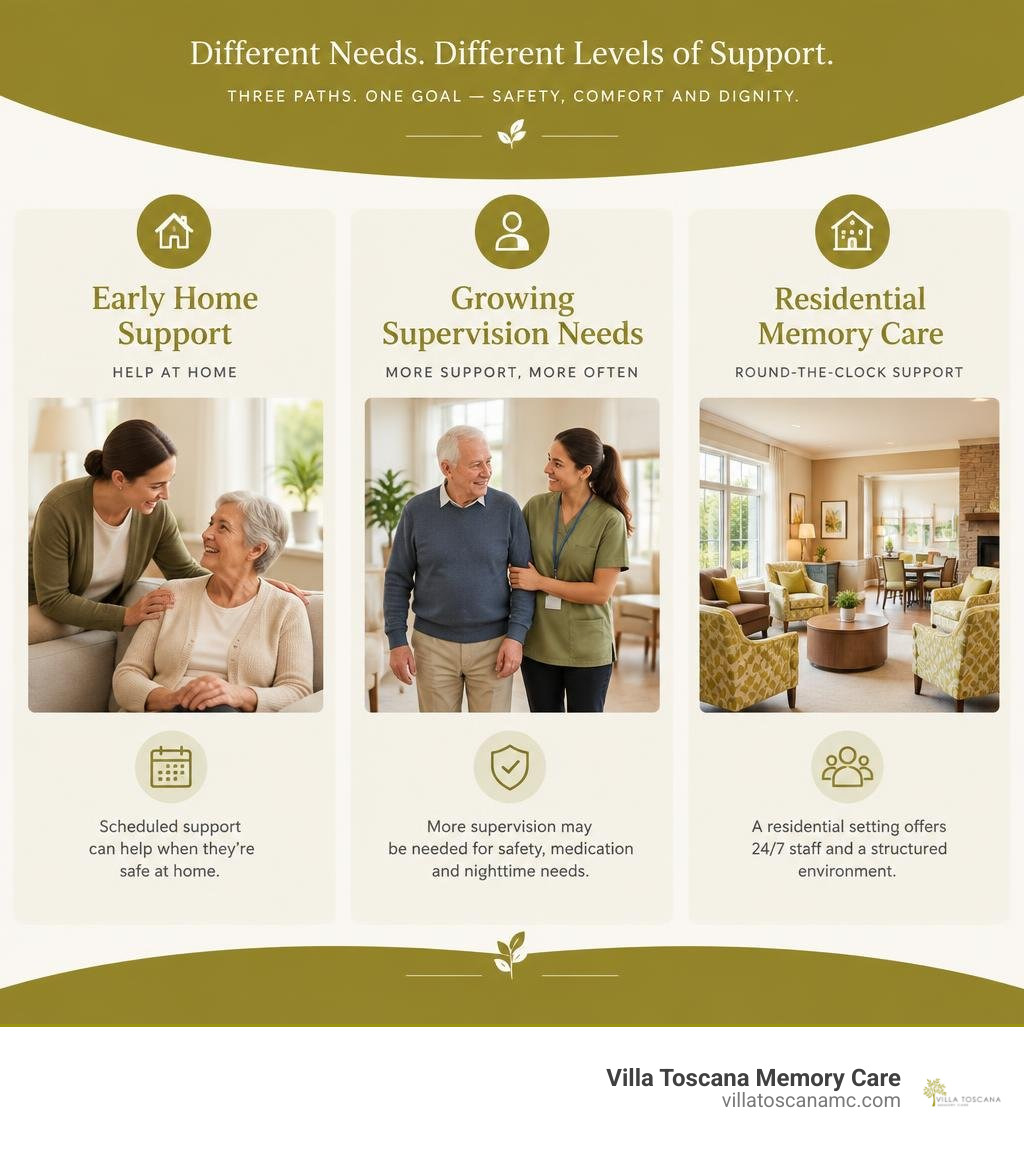
Private dementia care word guide:
Understanding Private Residential Dementia Care

When dementia progresses beyond the reach of intermittent home visits, families often explore residential options that provide around-the-clock peace of mind. Private residential memory care is a specialized care model built specifically to meet the cognitive, physical, and emotional needs of seniors living with conditions like Alzheimer’s, vascular dementia, or Lewy body dementia.
Unlike standard retirement communities, these environments combine domestic comfort with clinical architecture, purposeful routines, and continuous supervision. Within the private sector, settings range from expansive senior living complexes to boutique, home-like communities. The size and structure of the environment heavily dictate how daily life feels for a resident.
| Feature | Boutique Residential Settings | Large Institutional Facilities |
|---|---|---|
| Typical Staff-to-Resident Ratio | 1:3 to 1:5 (Fast response times, continuous familiarity) | 1:8 to 1:15 (Task-oriented care distribution) |
| Physical Environment | Domestic layout, low sensory stimulation, short walking paths | Expansive wings, central dining halls, higher ambient noise |
| Security & Wayfinding | Integrated subtle security, high visual cues, direct courtyard access | Keycard zones, long corridors, commercial alarm systems |
| Dining & Nutrition | Freshly prepared meals, small dining groups, hands-on cueing | Cafeteria-style service, rotating meal shifts, generalized menus |
| Clinical Oversight | Tight-knit nurse communication, proactive infection screening | Centralized nursing stations, scheduled check-in intervals |
| Behavioral Support | Highly personalized redirection, deep knowledge of life history | Standardized distraction activities, scheduled group programming |
When Specialized Residential Memory Care Is Appropriate
Deciding when to transition to a residential memory care setting is one of the most personal choices a family will make. While independent living or assisted living can be wonderful for seniors needing light personal assistance, dementia introduces unique cognitive hurdles that generic environments are simply not designed to manage.
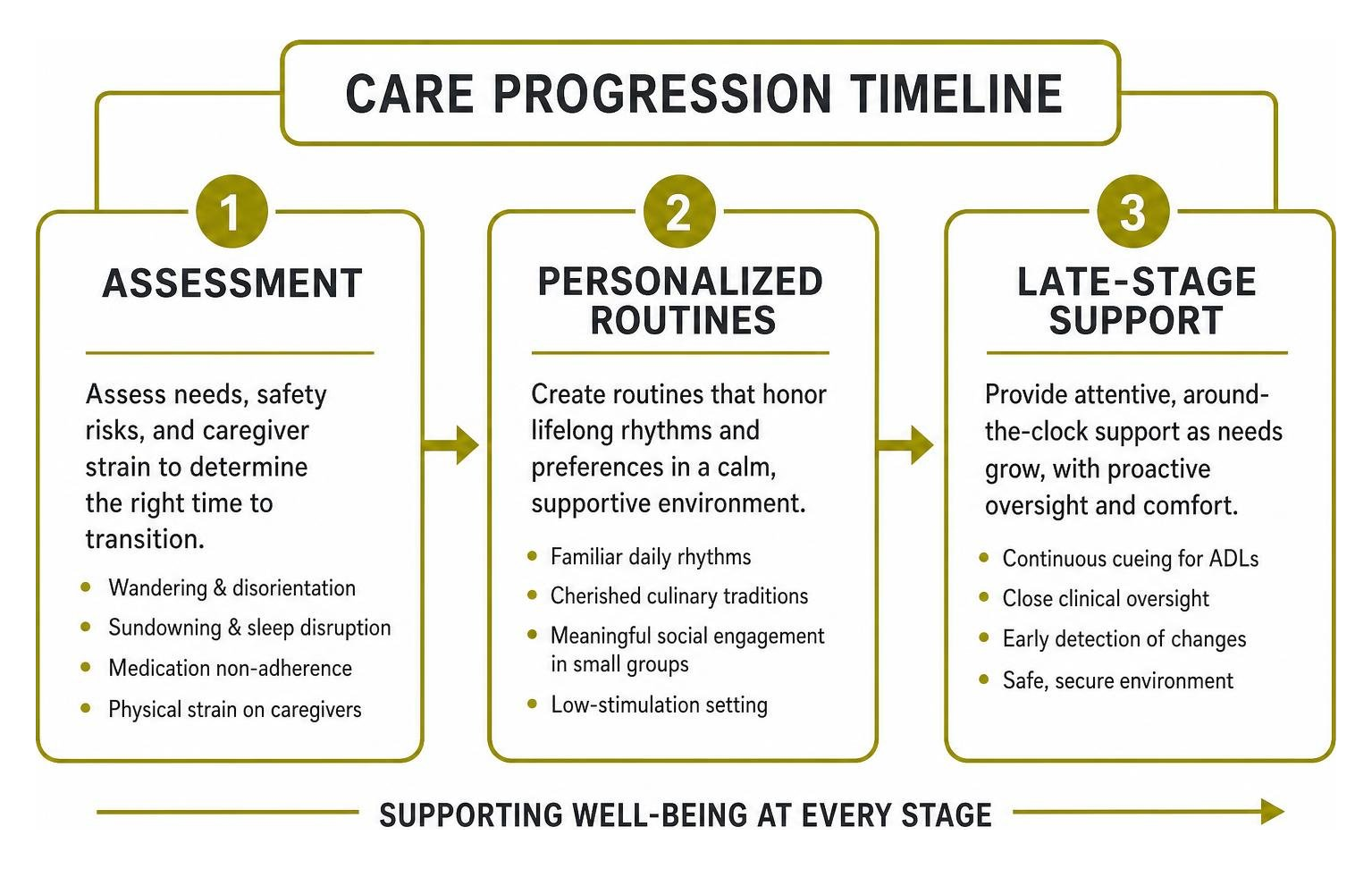
Specialized residential memory care becomes appropriate when an individual requires continuous cueing to manage basic activities of daily living (ADLs), such as dressing, eating, bathing, and mobility. In our boutique community setting, we provide personalized attention that honors the individual’s long-standing daily rhythms—from waking preferences to cherished culinary traditions—ensuring life feels familiar rather than regimented. Social engagement is thoughtfully curated in small groups, preventing the cognitive exhaustion and social withdrawal that frequently happen in large, busy environments.
Key Indicators It Is Time to Transition from Home Care
Many families try heroically to keep their loved ones at home for as long as possible. However, there comes a point where the home environment can pose serious safety hazards, and family caregivers reach physical and emotional exhaustion.
Recognizing these tipping points early protects both the senior’s well-being and the caregiver’s health:
- Wandering and Disorientation: Leaving the house unattended, getting lost in familiar neighborhoods, or pacing toward exits without purposeful awareness.
- Sundowning and Sleep Disruption: Intense late-afternoon agitation, confusion, or insomnia that leaves the individual awake and wandering through the night.
- Medication Non-Adherence: Missed doses, accidental double-dosing, or refusal to take vital prescriptions safely.
- Physical Strain on Caregivers: Chronic sleep deprivation, physical injuries from managing transfers, and escalating emotional distress among family members.
Exploring practical paths to relieve caregiver burden can help families realize that moving to a specialized residential setting is not a failure of care, but a loving step toward professional safety and meaningful connection.
The Advantages of Boutique Residential Memory Care Settings
Large institutional settings can inadvertently overwhelm someone experiencing cognitive decline. When a community houses 80 to 150 residents, the constant background noise, shifting staff faces, and expansive corridors can spark anxiety, agitation, and disorientation.
In contrast, boutique residential memory care settings are purposefully designed on an intimate, human scale. Maintaining low caregiver-to-resident ratios ensures our care team can respond to needs in moments rather than minutes. We know each resident’s personality quirks, non-verbal expressions of discomfort, and personal life stories.
This low-stimulation, domestic atmosphere significantly reduces confusion while allowing close clinical oversight. Seniors with dementia face over double the mortality risk after developing a urinary tract infection (UTI) compared to those without cognitive decline. In a small, attentive home setting, subtle behavioral shifts—such as sudden restlessness, a loss of appetite, or subtle changes in gait—are caught immediately, enabling proactive infection screening and medical intervention before emergencies arise.
Environmental Design and Safety Protocols for Wandering and Fall Prevention
Every physical element in a premier dementia care setting should quietly support independence while eliminating unnecessary risks. Purposeful architectural design minimizes anxiety and guides residents naturally through their day:
- Wayfinding Visual Cues: Intuitive visual markers, memorable artwork, and personalized memory boxes outside bedroom suites eliminate confusing identical hallways.
- Color-Coded Hallways and Contrast: Subtle color palettes define living zones, while high-contrast dining tools and bathroom fixtures ensure depth perception challenges do not prevent independent eating or safe transfers.
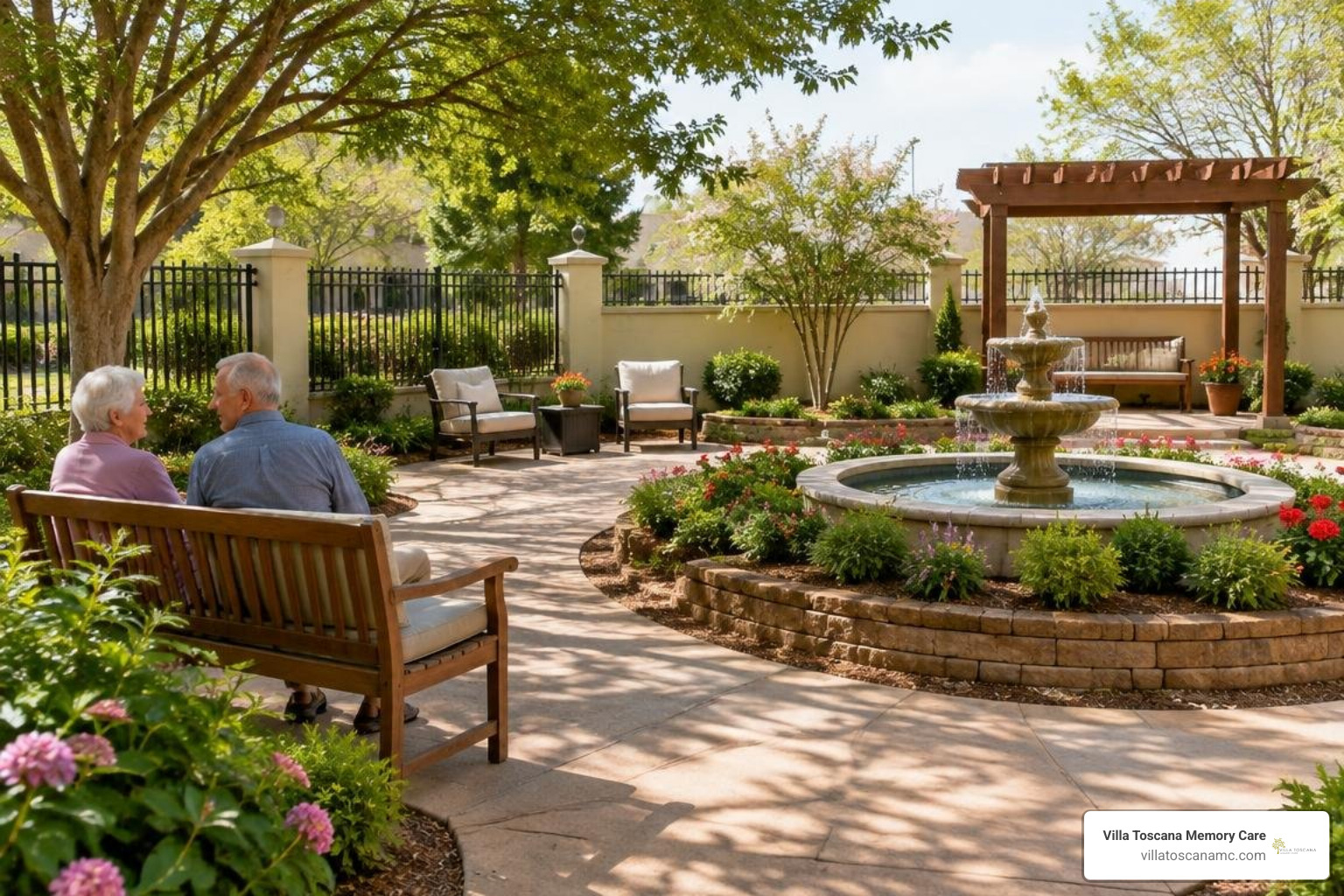
- Secured, Circular Outdoor Courtyards: Secure garden courtyards feature continuous circular walking paths that eliminate frustrating dead-ends, allowing residents to enjoy fresh air, sunshine, and nature safely.
- Discreet, Alarm-Free Safety Systems: Advanced passive monitoring and secure perimeter technology protect residents from unsafe exits without startling them with loud, institutional sirens that trigger distress.
Staff Qualifications and Essential Certifications in Private Dementia Care
The heart of exceptional dementia support lies in the hands of the care team. High-quality private settings require specialized staff training that goes far beyond general eldercare certifications. Caregivers should hold Certified Dementia Practitioner (CDP) credentials or equivalent specialized training that emphasizes validation therapy, gentle physical cueing, and empathetic de-escalation.
Our team focuses on non-pharmacological behavioral redirection to ease anxiety, address sundowning, and soothe frustration. CMS’s National Partnership to Improve Dementia Care has successfully driven the national benchmark for antipsychotic use in long-stay settings down to about 14%. We prioritize individualized, non-drug sensory interventions, comforting routines, and genuine human connection over chemical restraints. With 24-hour awake staff and ongoing dementia education, residents receive compassionate, dignified support at every hour of the day and night.
Evaluating Costs, Payment Options, and Care Continuity
Navigating the financial landscape of senior care can feel complicated. Understanding how different communities bill for services is essential for long-term planning and budgeting stability.
Understanding Financial Options and Costs for Private Dementia Care
Private dementia care is primarily funded out-of-pocket through private assets, retirement savings, life settlements, or private long-term care insurance (LTCI) policies. It is important to remember that Medicare does not cover room and board in residential memory care or assisted living communities; it only covers medically necessary skilled clinical care, therapy, and hospice services.
When evaluating providers, look closely at their pricing structure:
- All-Inclusive Pricing: A clear, predictable monthly rate that covers accommodations, 24-hour care, chef-prepared meals, personal hygiene assistance, laundry, utilities, and daily engagement programs without hidden surcharges.
- Tiered or “A la Carte” Care Fees: A base rent model where fees increase as care needs advance (such as extra charges for incontinence care, mobility assistance, or medication passes), which can sometimes lead to unpredictable monthly expenses.
Families can review average dementia care costs across the nation and examine a detailed state-by-state memory care cost breakdown to understand regional pricing variations and plan their financial approach with confidence.
Ensuring Continuity of Care from Early Stages Through End-of-Life
A dementia journey involves evolving stages, and a quality care community must adapt alongside the resident. Families should look for communities that establish thorough baseline cognitive and physical assessments upon move-in, followed by formal quarterly care reviews with family and clinical teams.
Comprehensive continuity of care includes:
- Early to Middle Stage: Supporting independence, engaging in cognitive wellness therapies, sensory experiences, and fine-dining experiences that spark joyful memories.
- Advanced Stage: Enhancing hands-on personal care, offering high-touch physical assistance, providing modified culinary textures, and managing mobility safely.
- End-of-Life Care: Seamlessly coordinating with licensed intermittent nursing and hospice providers, ensuring the resident remains in comfortable, familiar surroundings surrounded by the caregivers they know and love.
For an in-depth walkthrough on identifying long-term options, consult the complete guide to finding private memory care.
How to Vet Providers, Monitor Quality, and Maintain Family Involvement
Selecting the right community requires careful evaluation and active observation. Touring during meal times, observing unannounced weekend moments, and speaking directly with staff members offer genuine insight into a community’s daily culture.
Essential Vetting Checklist and Quality Warning Signs
When touring and vetting communities, look past the decorative furnishings and evaluate direct care standards:
- Staff Retention and Atmosphere: Ask about average caregiver tenure. High staff turnover is one of the strongest indicators of inconsistent care. Note whether caregivers are warmly interacting with residents or gathered behind a nurses’ station.
- Cleanliness and Dignity: Check whether residents are neatly dressed, well-groomed, and actively engaged. The environment should smell fresh, clean, and welcoming.
- Licensing and State Survey Records: Review state Department of Social Services inspection reports to verify that the facility has a clean compliance history without citations for neglected care or safety violations.
- Medication and Health Tracking: Verify how medication administration records (MARs) are handled and how staff monitors weight stability and hydration.
Red Flags to Watch For:
- Unexplained weight loss or unexplained bruising.
- Evasive or vague answers regarding exact caregiver-to-resident ratios on day and night shifts.
- Over-reliance on sedative medications to manage normal dementia behaviors.
- Reluctance to allow unscheduled or flexible family drop-in visits.
The Essential Role of Family in Ongoing Care Plans
Transitioning a loved one into residential memory care does not mean stepping away from their care—it means stepping into a rewarding role as an advocate, partner, and loving family member again.
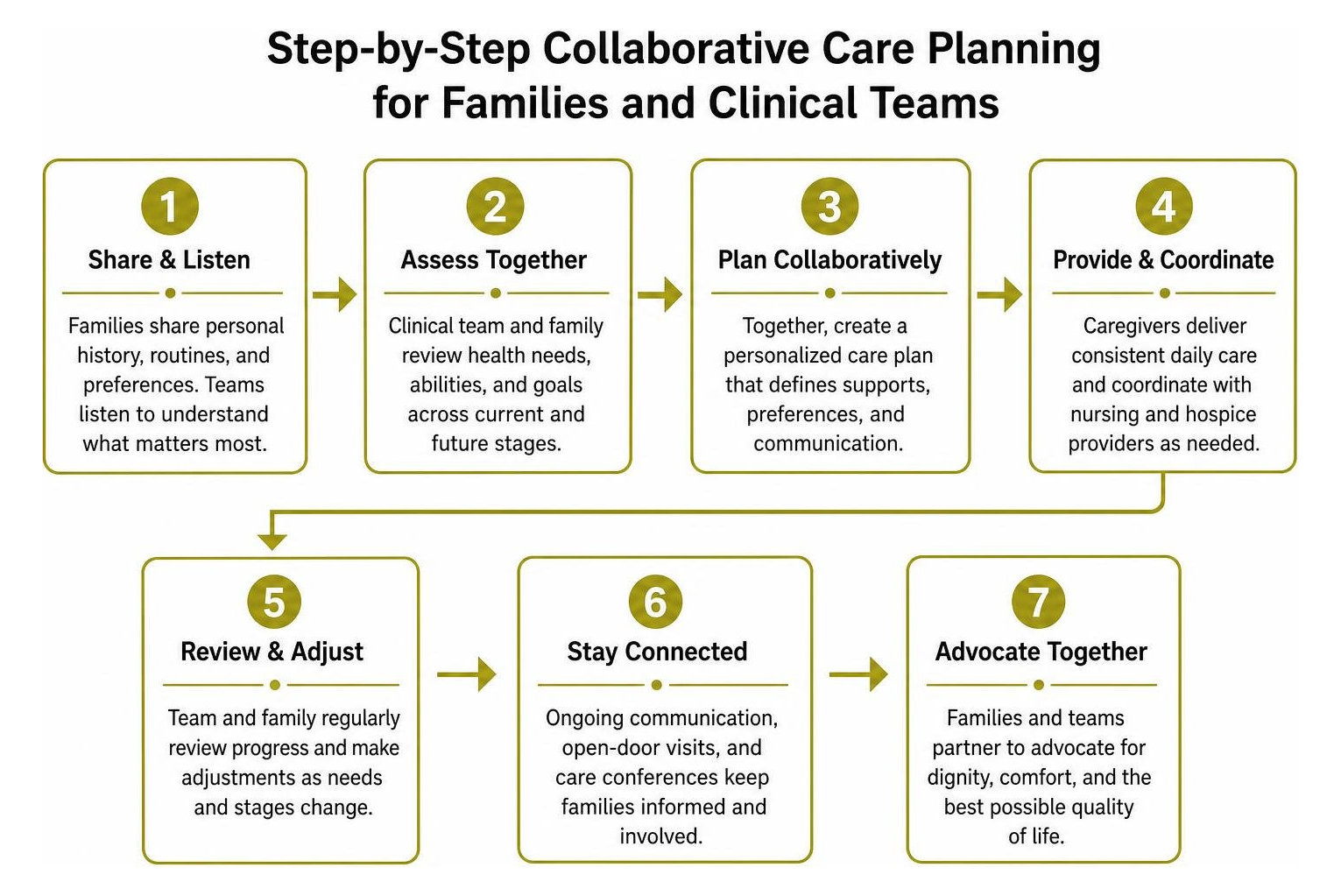
Families bring invaluable insight that enriches personalized care. By sharing personal history, favorite music, family recipes, past career milestones, and meaningful life memories, you help caregivers form deep, comforting bonds with your loved one. Communities with open-door visitation and regular multidisciplinary care conferences ensure you remain an active, informed, and valued participant in every care decision.
Frequently Asked Questions About Private Dementia Support
What makes private residential memory care different from standard assisted living?
Memory care communities are engineered specifically for people living with Alzheimer’s and related dementias. Unlike standard assisted living, memory care features secured architectural perimeters, color-coded wayfinding, higher staff-to-resident ratios, and caregivers certified in non-pharmacological behavioral redirection and cognitive engagement.
Does Medicare or Medicaid pay for room and board in private memory care?
No. Medicare does not pay for room, board, or non-medical daily personal care in residential settings. Coverage is limited to medically necessary physician visits, skilled therapies, and qualified hospice support. Most families pay out-of-pocket through personal assets or private long-term care insurance policies.
How do private memory care facilities manage behavioral changes and medication safely?
Quality settings use individualized, non-drug interventions, sensory calming therapies, structured daily routines, and validation techniques to ease distress. By conducting regular pharmacy reviews and following national guidelines to reduce inappropriate antipsychotic use, staff prioritize comfort, safety, and dignity.
Conclusion: Choosing the Right Environment for Dignity and Peace of Mind
Selecting memory care for someone you love is a profound act of devotion. Finding a setting that combines top-tier clinical safety, specialized environmental design, and heartfelt, individualized attention allows your loved one to thrive with dignity, comfort, and purpose.
At Villa Toscana Memory Care, we provide luxury-style, family-owned memory care built on intimate community living. Located in Mountain View, CA, our innovative, award-winning residential design offers low caregiver-to-resident ratios, 24-hour specialized staff, and an exclusive culinary partnership with Giorgio’s Italian Grill to deliver exceptional, chef-crafted dining every day. We welcome you to tour our community and experience how our warm, dedicated environment brings comfort to seniors and genuine peace of mind to families.