
Safer Outdoor Living Starts With Thoughtful Dementia Garden Design
Effective dementia garden design makes outdoor space easier to understand, safer to use, and more enjoyable for people living with memory loss. Start with a clear looped path, level non-slip surfaces, frequent shaded seating, visible landmarks, and raised beds that invite simple gardening.
A well-designed garden should also offer gentle sensory experiences without feeling busy or confusing:
- Sight: High-contrast path edges, familiar plants, and seasonal color
- Smell and touch: Herbs and soft-textured foliage within easy reach
- Sound: Gentle water or birdlife, away from harsh noise
- Comfort: Shade, shelter, secure boundaries, and places to pause
For families, these features can turn a garden from an area that feels risky into a meaningful place for walking, resting, conversation, and purposeful activity. Research on therapeutic gardens for people with dementia links outdoor access and gardening with better mood, less agitation, and stronger engagement. The key is balance: enough stimulation to spark interest, with enough calm and clarity to support confidence.
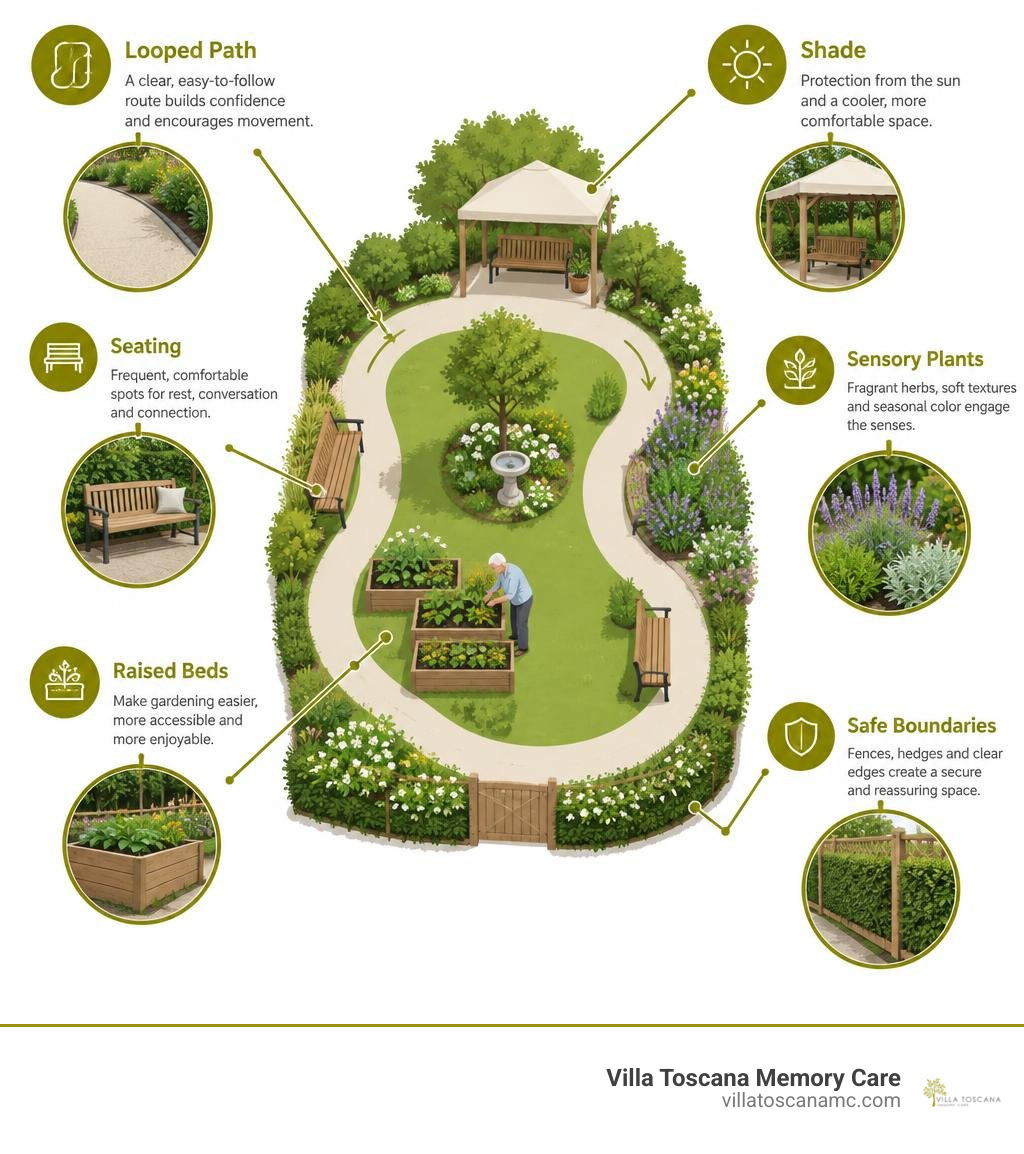
Simple dementia garden design word guide:
Core Principles of Evidence-Based Dementia Garden Design
Evidence-based design principles bridge the gap between landscape architecture and neurological support. When we create outdoor environments for individuals navigating memory loss, our goal is to build an environment that reassures, guides, and engages rather than controls or restricts.
Creating an empowering space requires applying principles of universal design for outdoor spaces that account for changes in physical stamina, sensory processing, and visual perception. Key considerations include:
- Unbroken Sightlines: Ensuring high visibility from interior communal areas and resident rooms provides natural surveillance. This allows care staff to observe residents without hovering, preserving resident autonomy.
- Biophilic Connection: Natural light exposure and green views help regulate circadian rhythms and lower baseline cortisol levels.
- Risk Differentiation: Dividing outdoor grounds into independent, risk-free areas and staff-supported activity zones helps balance freedom and safety.
- Sensory Calibration: Balancing stimulating areas with quiet zones prevents sensory overload while offering meaningful interaction.
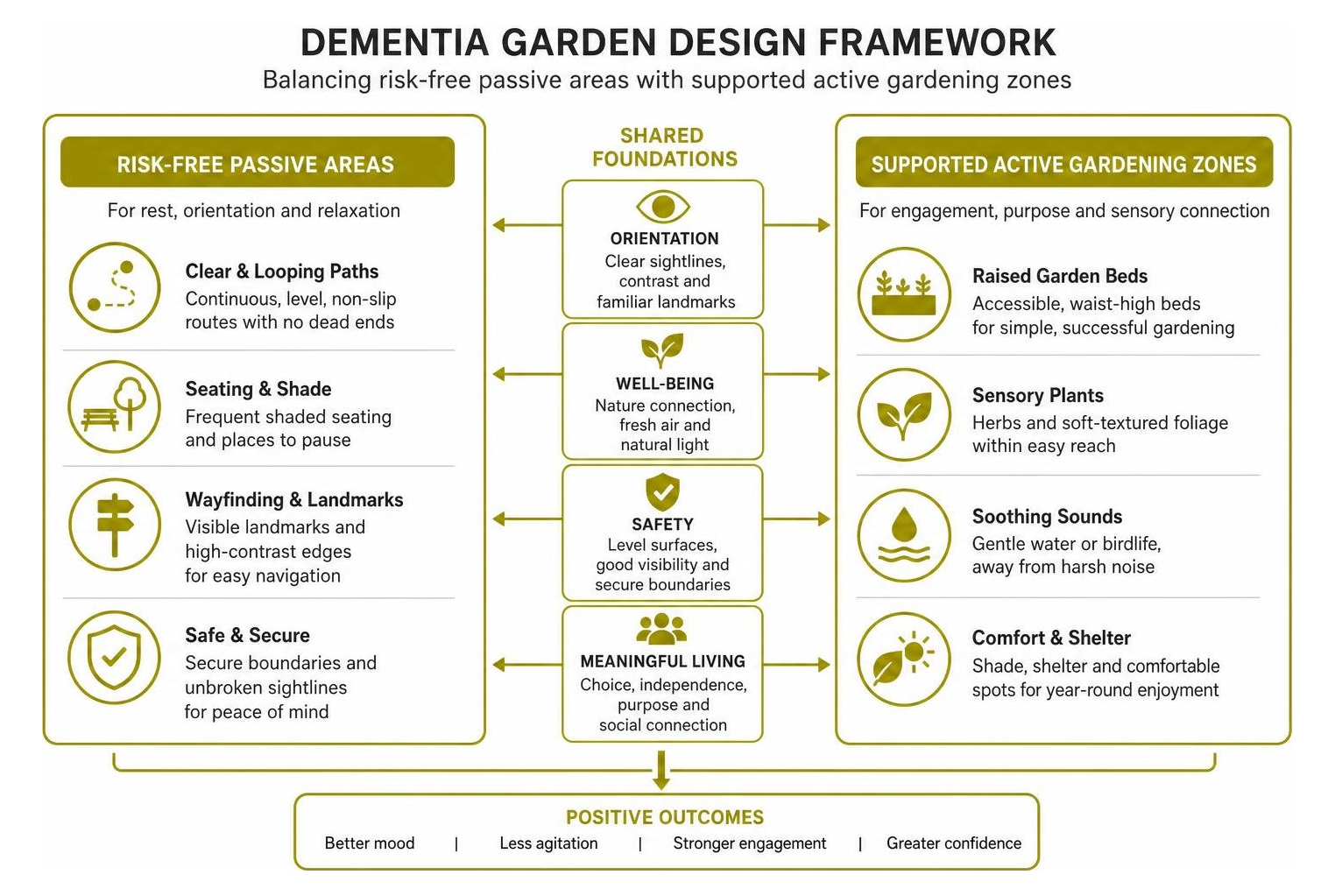
Wayfinding, Looped Paths, and Visual Contrast
Navigation challenges are common among individuals with cognitive decline. Dead ends, sharp turns, and visual ambiguities can cause frustration and anxiety. Designing continuous circular or figure-eight paths ensures that whichever direction someone walks, the path naturally guides them back to a main patio or building entrance without confusing intersections.
Clear visual cues are essential for wayfinding:
- Edge Contrast: A crisp, dark border (such as charcoal brick edging against light-colored pavers) clearly delineates the walking surface from adjacent garden beds, preventing missteps.
- Threshold Transitions: Sudden color shifts on flat ground can be misinterpreted as physical steps or drop-offs. Keep paving tones consistent, and reserve high contrast for actual grade transitions or elevation changes.
- Focal Landmarks: Distinctive items such as a brightly painted garden bench, an ornamental tree, or a birdbath serve as clear navigational anchors that help people reorient themselves independently.
Balancing Active Horticultural Areas and Passive Rest Zones
Therapeutic outdoor spaces support both purposeful activity and quiet relaxation. Aligning with Dementia Green Care design standards, we structure environments into complementary zones that serve distinct emotional and physical needs:
- Active Horticultural Zones: These interactive areas feature waist-high raised beds, potting benches, bird-feeding stations, and seed-sowing stations. Engaging in structured gardening provides a sense of accomplishment, exercises fine motor skills, and fosters natural social connections.
- Passive Restorative Zones: Tucked away from high-traffic zones, these quiet spaces incorporate deep shade, gentle seating, and soft greenery. They offer a tranquil refuge for quiet conversation, family visits, or restorative meditation.
Designing Multi-Sensory Elements for Cognitive and Emotional Well-Being
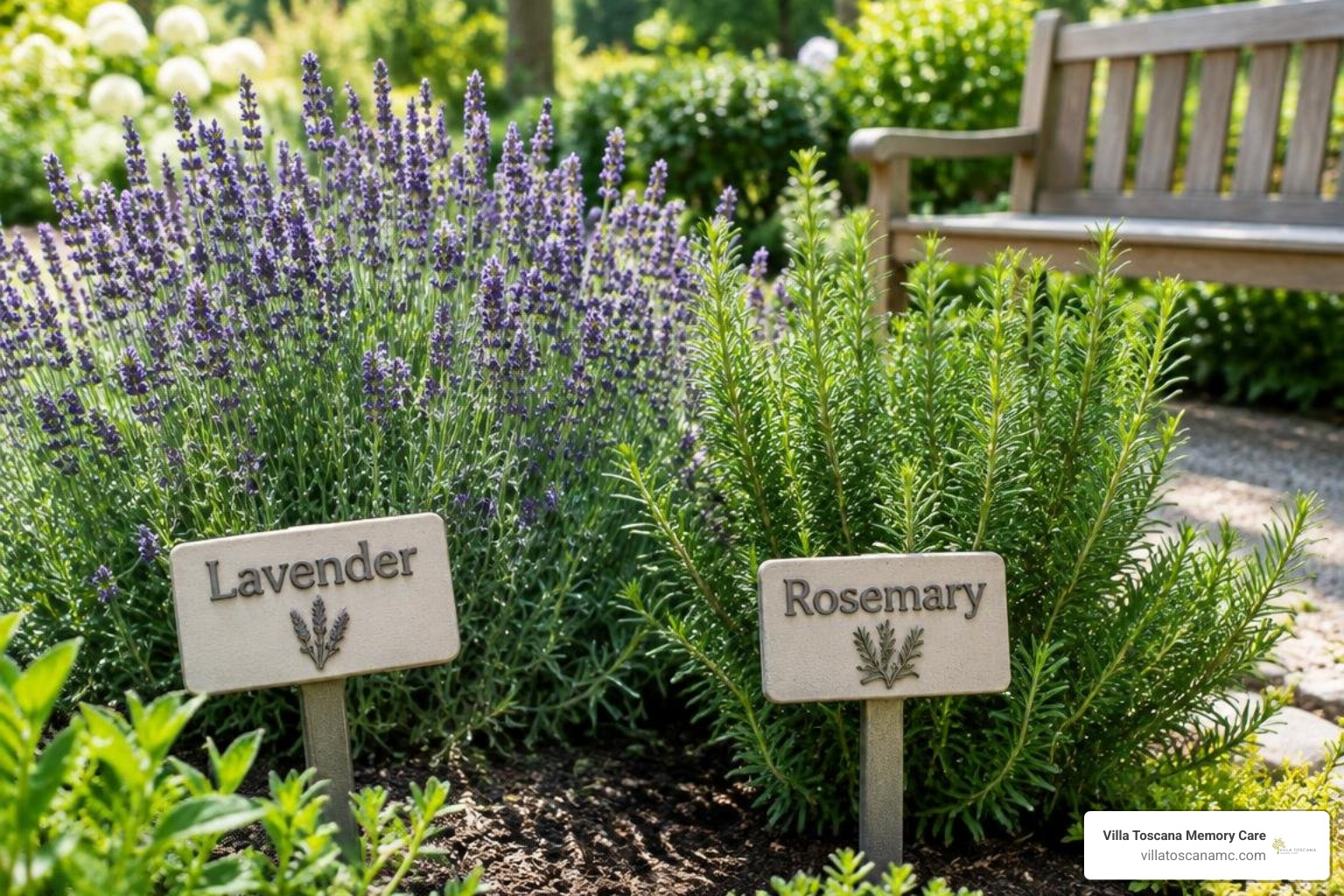
Sensory gardens stimulate multiple senses—sight, sound, smell, and touch—to evoke long-term memories and encourage connection. This multi-modal approach is especially valuable for individuals with concurrent sensory impairments, sight loss, or neurodivergent processing needs.
Engaging different senses creates alternative pathways for communication and enjoyment, even when verbal abilities decline.
Plant Selection and Memory-Evoking Seasonal Cues in Dementia Garden Design
Carefully chosen plants provide gentle sensory stimulation while ensuring safety. Using RHS dementia-friendly garden planting strategies, plant choices should balance safety, non-toxicity, and historical familiarity:
- Olfactory Stimulation (Scent): Culinary herbs such as rosemary (Salvia rosmarinus), sweet basil, lavender (Lavandula), and peppermint stimulate appetite and spark fond culinary memories.
- Tactile Foliage (Touch): Plants like lamb’s ear (Stachys byzantina), woolly thyme, and soft ornamental grasses invite safe touch without risk of scratches.
- Visual Appeal & Seasonal Anchors: Bright, warm blossoms (such as marigolds and sunflowers) alongside crisp seasonal indicators (like spring bulbs, summer hydrangeas, and autumn foliage) provide clear visual cues that help anchor visitors in the current season.
- Safety First: Avoid plants with thorns, stiff spines, or toxic leaves and berries (such as foxglove, yew, or oleander).
| Plant Category | Recommended Species | Sensory / Therapeutic Benefit |
|---|---|---|
| Aromatic & Culinary | Lavender, Rosemary, Mint, Lemon Verbena | Stimulates memory, soothes anxiety, encourages tactile interaction |
| Tactile & Soft | Lamb’s Ear, Fountain Grass, Woolly Thyme | Invites safe touch, grounding physical engagement |
| High Visual Contrast | Sunflowers, Red Salvia, Coreopsis | Enhances visual tracking, defines garden zones |
| Seasonal Markers | Daffodils (Spring), Hydrangeas (Summer), Asters (Fall) | Reinforces temporal orientation and connection to seasons |
Incorporating Calming Water Features, Textures, and Tactile Artwork
Water and artwork add rich sensory texture to outdoor living areas when designed with care:
- Low-Reflectivity Water Bubblers: Flowing water produces a calming white noise that masks disorienting background sounds (such as traffic or HVAC units). Opt for bubbling stone urns or shallow rock basins rather than deep, open ponds. Bubbler fountains eliminate submersion hazards and avoid bright surface glare, which can distort depth perception.
- Tactile Sculptures and Interactive Art: Smooth timber carvings, textured stone spheres, and securely mounted wind chimes encourage tactile exploration and serve as conversation pieces.
- Wildlife Attractions: Placing bird baths, shallow pollinators, and bird feeders within clear view invites visiting songbirds and butterflies, providing dynamic, gentle visual entertainment throughout the day.
Essential Accessibility and Safety Standards for Outdoor Healthcare Spaces
Outdoor healthcare spaces must balance reliable safety with an open, inviting atmosphere. An accessible garden allows residents using mobility aids, such as walkers and wheelchairs, to navigate with confidence.
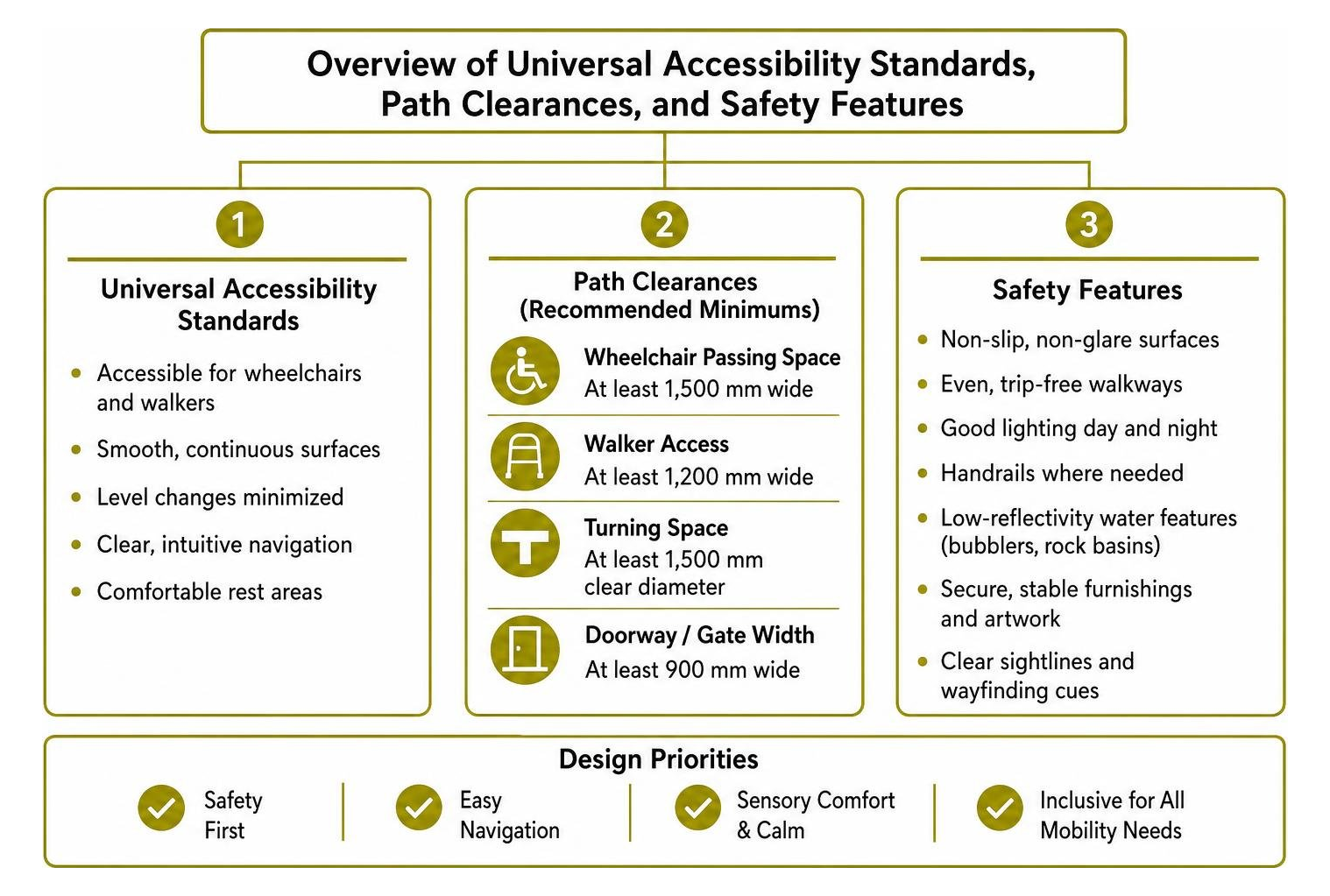
Walkway Surfaces, Non-Glare Materials, and Slip Resistance
Walkways form the foundation of accessible garden design. Slippery, uneven, or visually confusing paths can quickly undermine mobility and confidence.
- Path Surfaces: Use smooth, continuous brushed concrete, resin-bound aggregate, or non-slip pavers. Avoid loose gravel, uneven flagstones, or high-gloss sealants that produce blinding glare in bright sunlight.
- Pathway Dimensions: Paths should measure at least 4 to 5 feet wide (1.2 to 1.5 meters) to comfortably accommodate two people walking side by side or a wheelchair alongside a companion.
- Visual Clarity: Apply high-contrast nosing to any subtle grade transitions or ramps, making edges immediately visible to individuals with reduced depth perception.
Ergonomic Seating, Waist-High Raised Beds, and Safe Enclosures
Thoughtful furniture placement and garden features support resident independence and comfort:
- Ergonomic Seating: Position sturdy benches with supportive armrests, backrests, and level wooden seating every 30 to 40 feet along the path. Armrests make sitting down and standing up much easier for individuals with limited upper-body or leg strength.
- Waist-High Planter Beds: Elevated planter beds (standing 28 to 34 inches high) bring soil and plants to a comfortable working height. This design allows residents in wheelchairs or those who cannot bend over to tend plants, weed, and water comfortably.
- Secure, Unobtrusive Perimeters: Keep boundary fencing unobtrusive by blending it with climbing vines, dense shrubs, or living green walls. This maintains necessary security while avoiding the appearance of a locked enclosure.
Step-by-Step Implementation: Building Dementia Gardens on Any Budget
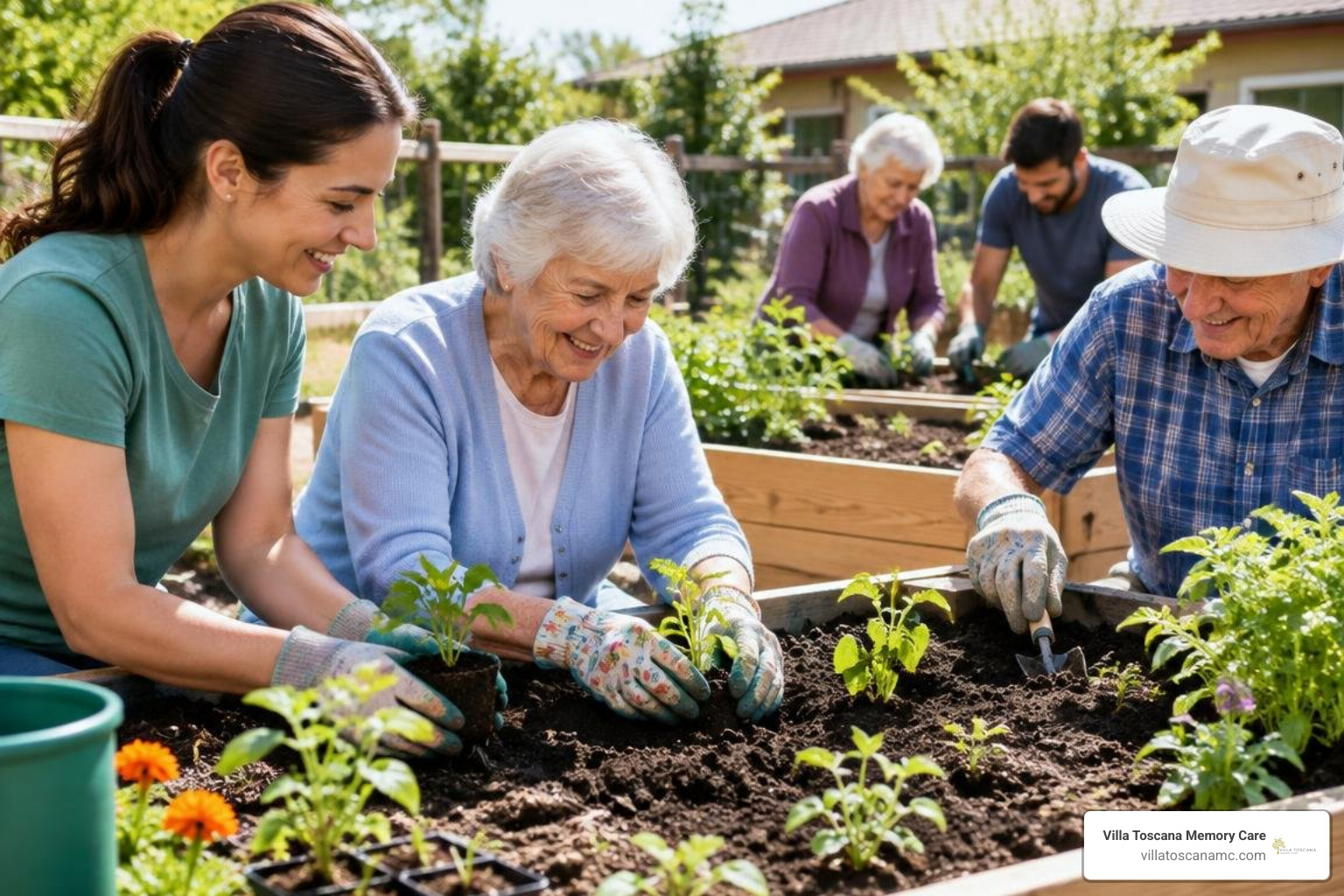
Creating a sensory garden does not require an endless budget. Meaningful transformations often begin with practical, phased steps that involve the community from the start.
Co-Designing with Residents and Engaging Community Volunteers
Involving residents, family members, and local volunteers creates a shared sense of ownership and pride:
- Conduct Sensory Interviews: Ask residents and their families about favorite plants, cherished backyard memories, and preferred outdoor pastimes to personalize garden features.
- Organize Inclusive Gardening Days: Involve residents in simple tasks like decorating terracotta pots, filling seed trays, sorting bulbs, or labeling plant markers with large, legible lettering.
- Build Community Partnerships: Invite local civic groups, youth volunteers, or Master Gardeners to assist with seasonal planting, weeding, and maintenance days.
Cost-Effective Materials and Strategic Adaptations for Dementia Garden Design
Budgets can go much further with creative planning and accessible materials:
- Upcycled Planters & Containers: Repurpose safe, sturdy wooden crates, half-barrels, and large lightweight pots to create immediate waist-height gardening stations without major construction costs.
- Native & Perennial Plant Selection: Choose hardy, drought-tolerant perennials and native plants that thrive with minimal water, fertilizer, and ongoing maintenance.
- Phased Installation Plan: Focus first on establishing a secure, level looped path and basic shaded seating. Add raised beds, water features, and sensory artwork in subsequent phases as funding and resources grow.
Clinical and Behavioral Benefits: What the Research Shows
The benefits of therapeutic gardens are backed by extensive quantitative research across healthcare environments (Murroni et al., 2021). Access to natural outdoor settings produces measurable improvements across cognitive, psychological, and physiological metrics.
Clinical and behavioral studies highlight several key findings:
- Substantial Reduction in Agitation: In a study evaluating residents with dementia, agitation scores dropped by 46.7% three months after the introduction of a therapeutic garden (p < 0.001) (Murroni et al., 2021).
- Decreased Aggressive Behaviors: In an evaluation of 34 male residents in a dementia care unit, regular use of an outdoor wander garden decreased Cohen-Mansfield Agitation Inventory (CMAI) scores from 21.88 to 18.9 (Cohen’s d = 0.64) (Murroni et al., 2021).
- Measurable Mood Improvements: A clinical study tracking 28 individuals with dementia showed significant mood enhancements following outdoor garden visits (mean change = 0.44, p < 0.001), with the most pronounced benefits observed during stays of 80 to 90 minutes (Murroni et al., 2021).
- Higher Social & Task Engagement: Research measuring horticultural therapy among 48 participants demonstrated that residents spent 78% of their time actively engaged in meaningful tasks, compared to just 28% during traditional indoor activities (p < 0.001) (Murroni et al., 2021).
- Improved Cognitive Scores & Stress Reduction: Daily indoor gardening sessions (1 hour per day over 28 days) significantly improved cognitive scores on the Revised Hasegawa Dementia Scale (p < 0.001) while decreasing agitation (p = 0.001) (Murroni et al., 2021). Viewing traditional natural garden arrangements has also been shown to reduce heart rate (p < 0.05) and increase visual attention (p < 0.005) (Murroni et al., 2021).
Reductions in Agitation, Aggression, and Antipsychotic Medication
The calming effects of therapeutic green spaces can help reduce reliance on chemical interventions. In a randomized controlled trial involving 163 individuals living with dementia, access to an indoor therapeutic garden led to a significant reduction in daily quetiapine (an antipsychotic medication) dosage—by 150 mg compared to the control group (p < 0.001) (Murroni et al., 2021).
Exposure to natural sunlight and quiet green surroundings also supports healthy melatonin production, stabilizing sleep-wake cycles and easing late-afternoon restlessness.
Improving Physical Mobility, Balance, and Fall Prevention
Access to safe outdoor paths encourages regular physical activity, which strengthens core muscles and improves balance. In a study tracking 28 male residents within a memory care setting, annual falls dropped from 288 to 200 following the installation of an accessible wander garden (Murroni et al., 2021).
Residents who actively utilized the garden experienced a 38.7% reduction in falls, compared to a modest 7.9% reduction among those who rarely visited the outdoors (p < 0.05) (Murroni et al., 2021). Regular walking across level, non-slip paths supports joint flexibility, spatial awareness, and motor coordination.
Frequently Asked Questions About Dementia Gardens
How do looped walking paths prevent wandering and confusion in dementia patients?
Looped walking paths eliminate dead ends, locked gates, and sharp directional choices that can cause confusion or anxiety. By providing an unbroken path that gently curves back to a main patio or building entrance, residents can walk freely and independently without getting lost.
What are the safest non-toxic plants to use in sensory memory gardens?
The safest choices are culinary herbs and sturdy, tactile perennials. Common favorites include rosemary, lavender, peppermint, lemon balm, sweet basil, chamomile, lamb’s ear, and sunflowers. Always avoid species with poisonous leaves, toxic berries, milky saps, or sharp thorns (such as foxglove, oleander, castor bean, or thorny rose bushes).
How can small residential care homes adapt spaces for therapeutic gardening on a budget?
Small care homes can start by setting up sturdy, waist-height planter boxes on existing patios, hanging vertical wall planters with fragrant herbs, and using portable potting trays for tabletop seed-sowing. Adding comfortable, shaded seating with armrests and a simple recirculating tabletop water fountain quickly creates a calming sensory destination in any small outdoor area.
Conclusion
Transforming an outdoor space into a therapeutic, sensory-rich garden is one of the most meaningful investments we can make for individuals living with memory loss. By combining continuous looped paths, clear visual contrasts, soothing multi-sensory plants, and accessible raised beds, we create outdoor environments that invite exploration while ensuring complete safety.
At Villa Toscana Memory Care, we believe that thoughtful, person-centered design should enrich every aspect of daily life. Our dedicated team is committed to providing supportive, vibrant environments where residents experience dignity, purposeful engagement, and the restorative benefits of nature every day.
References
Murroni V, Cavalli R, Basso A, Borella E, Meneghetti C, Melendugno A, Pazzaglia F. “Effectiveness of Therapeutic Gardens for People with Dementia: A Systematic Review..” International journal of environmental research and public health, 2021. PMCID PMC8469939.