
What Families Should Expect From Short Term Nursing Care Facilities
Short term nursing care facilities provide temporary, 24-hour skilled nursing and rehabilitation after surgery, illness, injury, or a hospital stay. They are often a bridge between the hospital and home for someone who needs more medical support, therapy, or supervision than family can safely provide at home.
For many patients, the stay lasts from a few days to several weeks. A common goal is to improve strength, mobility, speech, wound healing, or daily living skills so the person can return home as safely as possible.
Families should expect a care team that may include nurses, physicians, physical therapists, occupational therapists, speech therapists, dietitians, and social workers. Services can include medication management, wound care, IV antibiotics, therapy, and discharge planning.
For a parent living with dementia, it is especially important to ask whether the facility can safely support memory loss, prevent falls, communicate changes quickly, and involve family in care decisions. Short-term rehabilitation can be helpful, but it is not the same as specialized long-term memory care. According to Medicare.gov, skilled nursing facility care is covered only when specific clinical and hospital-stay requirements are met.
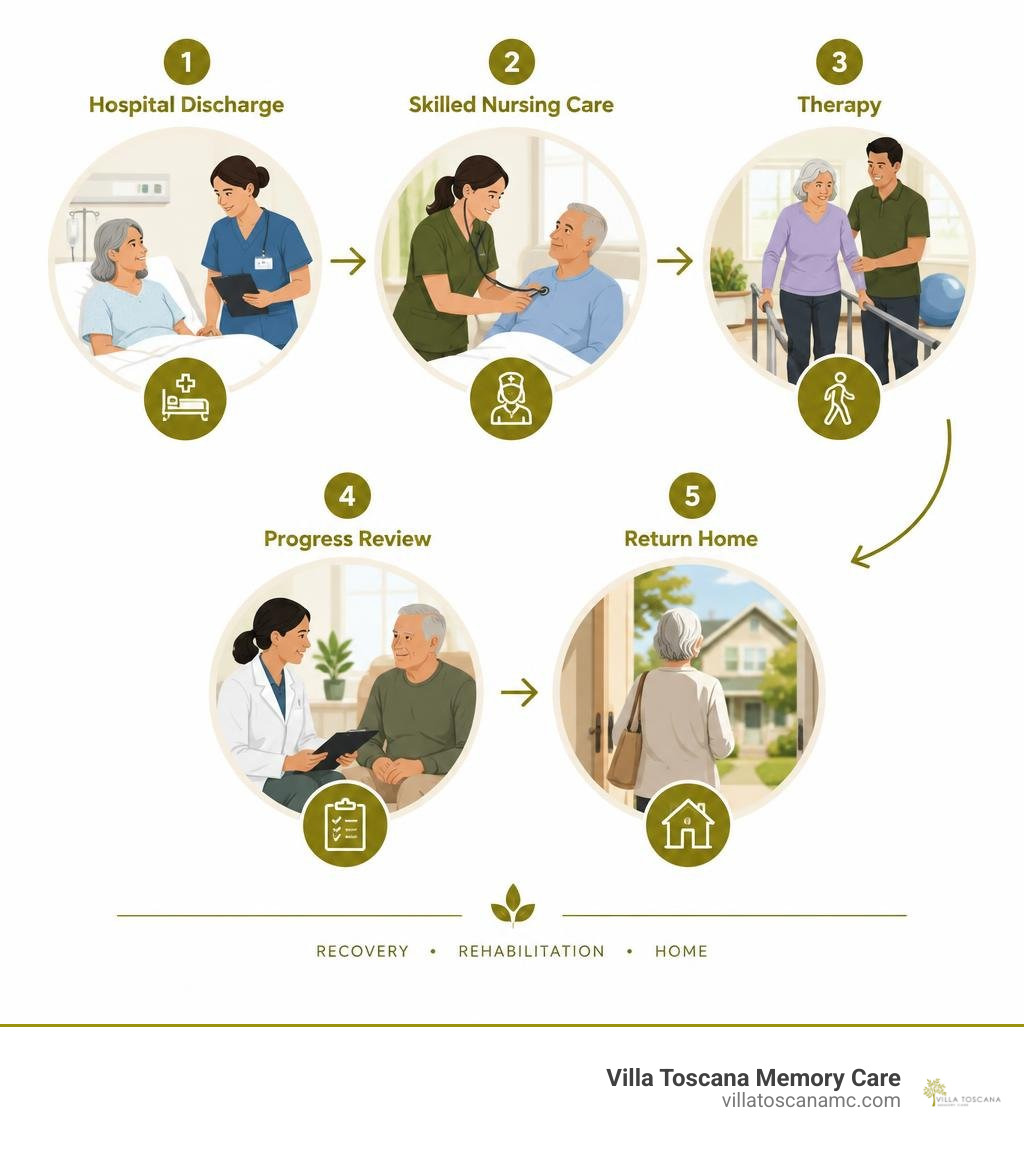
Understanding Short Term Nursing Care Facilities and Post-Acute Care
When an acute hospital stay concludes, recovery is rarely finished. Post-hospital recovery often requires continuous clinical oversight, specialized wound dressing, or structured rehabilitation before an individual can safely navigate stairs, manage medications, or prepare a meal independently. This transitional phase is known as post-acute rehabilitation.
Temporary skilled nursing stays bridge the gap between hospital-level medical intensity and returning to independent living. Across the healthcare landscape, the average duration for a short-term rehabilitation stay ranges from 15 to 30 days, though clinical needs, surgical recovery rates, and individual milestones can adjust this timeline. The National Institute on Aging explains that skilled nursing facilities offer short-term rehabilitative care as well as long-term care, depending on a person’s medical and functional needs.
During these weeks, the clinical focus is entirely restorative. While short-term rehabilitation centers concentrate on rapid physical recovery and returning home, families often evaluate whether temporary clinical support or structured long-term memory support best matches their loved one’s overall cognitive and physical profile.
| Feature | Short-Term Rehabilitation | Dedicated Memory Care |
|---|---|---|
| Primary Clinical Goal | Restoring functional mobility, strength, and independence | Preserving dignity, cognitive support, and steady daily routines |
| Average Length of Stay | 15 to 30 days (up to 100 days under specific criteria) | Ongoing residential support or short-term respite stays |
| Therapeutic Focus | Intensive physical, occupational, and speech therapies | Cognitive stimulation, sensory programs, and structured routines |
| Medical Oversight | High clinical intensity (IV therapy, post-op wound healing) | 24-hour caregiver support, medication monitoring, and life safety |
| Environment | Clinical and post-surgical recovery setting | Secure, home-like, purposeful layouts designed for memory support |
Clinical Distinctions Between Short-Term and Long-Term Care
The main difference between short-term post-acute care and long-term care lies in the primary objective. Short-term care focuses on rehabilitation goals and restorative therapy. Daily physical therapy sessions, occupational retraining for daily activities, and acute clinical interventions aim to help the resident regain baseline independence.
In contrast, long-term care supports individuals living with progressive chronic conditions or advanced cognitive changes who require round-the-clock help with activities of daily living (ADLs), such as bathing, dressing, and mobility management. When cognitive decline complicates a post-surgical recovery, families frequently examine the nuances of memory care vs skilled nursing to decide if a rehabilitative floor or a dedicated memory-care community provides the safest long-term setting.
Skilled Nursing Facilities vs Inpatient Rehabilitation Facilities
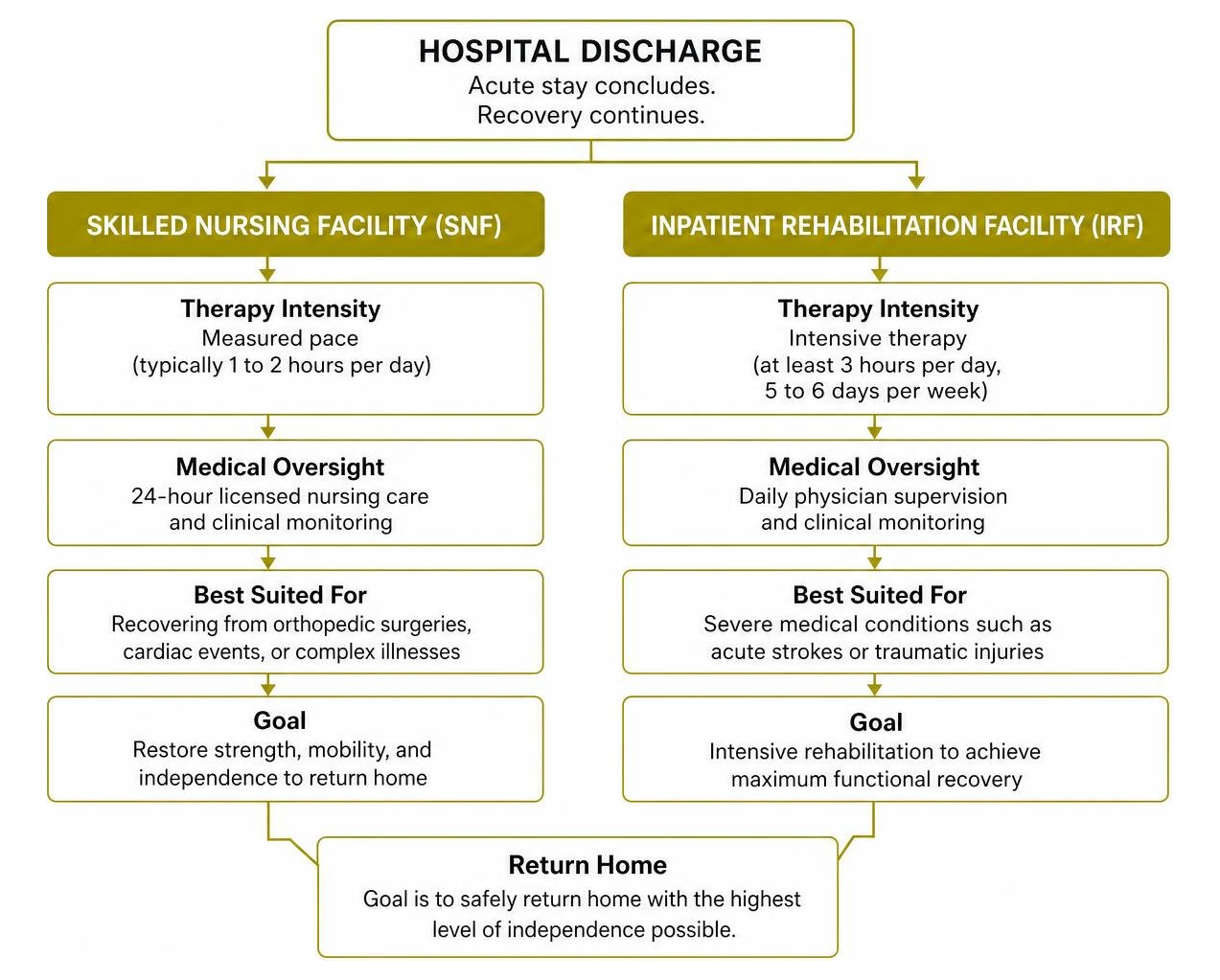
Families navigating hospital discharge will often hear terms like skilled nursing facility (SNF), Inpatient Rehabilitation Facility (IRF), and Distinct Part Facility used interchangeably, yet each has specific licensing standards and therapy intensities. The Centers for Medicare & Medicaid Services maintains distinct certification requirements for inpatient rehabilitation facilities and skilled nursing facilities.
- Skilled Nursing Facilities (SNFs): Provide comprehensive, 24-hour licensed nursing care alongside physical, occupational, and speech therapies. Therapy is delivered at a measured, tolerated pace (typically 1 to 2 hours per day), making it suitable for seniors recovering from orthopedic surgeries, cardiac events, or complex illnesses.
- Inpatient Rehabilitation Facilities (IRFs): Require patients to tolerate intensive therapy—usually at least 3 hours per day, 5 to 6 days a week—under daily physician supervision. These are designed for severe medical conditions such as acute strokes or traumatic injuries.
- Distinct Part Facilities: These are dedicated post-acute skilled nursing units located within or directly adjacent to an acute care hospital. They provide short, focused post-hospital stays (often up to three weeks) with close hospital medical coordination.
Comprehensive Services and Clinical Staffing in Rehabilitation Centers

High-quality post-acute facilities rely on continuous collaboration among licensed clinicians. Rather than providing custodial help alone, short-term skilled environments operate under formal clinical monitoring, physician supervision, and individualized care plans tailored to each resident’s recovery roadmap.
Core Clinical Services in Short Term Nursing Care Facilities
Patients admitted for short-term recovery require skilled interventions that family caregivers cannot safely administer at home without specialized training. Core clinical services include:
- Advanced Wound Care: Sterile dressing changes, negative pressure wound therapy (wound vacs), and surgical site monitoring by certified wound nurses.
- Intravenous (IV) Antibiotic Therapy: Management of central lines, PICC lines, and peripheral IVs for acute infections or post-surgical protocols.
- Physical Therapy: Gait training, balance exercises, transfer practice, and muscle strengthening to restore functional mobility.
- Occupational Therapy: Retraining fine motor coordination, adaptive dressing techniques, and kitchen safety assessments.
- Speech-Language Pathology: Swallowing evaluations (dysphagia management), vocal retraining, and cognitive-linguistic recovery following neurological events.
- Enteral Nutrition (G-Tube Management): Safe administration of enteral nutrition, hydration, and tube site maintenance under nursing supervision.
Roles of the Interdisciplinary Care Team
A coordinated team delivers these specialized services, with each member managing a specific part of recovery:
- Attending Physicians and Geriatricians: Oversee clinical protocols, manage chronic comorbidities, adjust prescriptions, and certify medical necessity throughout the stay.
- Registered Nurses (RNs) and Licensed Practical Nurses (LPNs): Deliver 24-hour bedside care, manage complex medications, assess vital signs, and monitor for sudden clinical changes.
- Licensed Therapists (PT, OT, SLP): Lead daily restorative sessions, adjust adaptive equipment, and track measurable gains in physical and functional independence.
- Registered Dietitians: Design customized nutritional plans to promote tissue healing, manage dietary restrictions, and support proper hydration.
- Licensed Medical Social Workers: Facilitate care conferences, coordinate insurance authorizations, and direct the discharge planning process from admission to discharge.
Paying for Care: Medicare, Medicaid, and Out-of-Pocket Costs
Understanding post-acute care payment structures helps families avoid unexpected financial surprises during recovery.
Medicare Coverage Rules and the 100-Day Benefit
Traditional Medicare Part A provides coverage for post-acute skilled nursing stays, provided specific statutory requirements are met:
- Qualifying Hospital Stay: The patient must have a medically necessary, inpatient hospital stay of at least three consecutive days (not counting the day of discharge). Time spent under “observation status” in an emergency department does not count toward this three-day rule.
- Transfer Window: Admission to the skilled nursing facility must generally occur within 30 days of hospital discharge.
- Daily Skilled Need: The resident must require daily skilled nursing or therapy services that can only be safely provided in an inpatient setting.
When these criteria are met, Medicare Part A provides coverage for up to 100 days per benefit period:
- Days 1–20: Covered at 100% of approved costs with a $0 daily copay.
- Days 21–100: Covered with a required daily coinsurance copay (often covered by secondary or Medigap supplemental insurance policies).
- Day 101 and Beyond: The patient is responsible for 100% of all costs out-of-pocket, as Medicare coverage ends after 100 days.
Medicaid, Managed Care, and Private Pay Options
When Medicare benefits reach their statutory limit or when a patient does not meet daily skilled criteria, alternative funding structures come into play:
- Medicare Advantage & Commercial Managed Care: Private health plans often require prior authorization and ongoing clinical updates every 5 to 7 days to maintain covered days.
- Medicaid: Covers nursing facility care for individuals who meet state-specific clinical and financial criteria. Federal regulations require certified facilities to provide core clinical, dietary, pharmaceutical, and emergency dental services at no direct charge to approved beneficiaries. Optional amenities (such as private rooms requested without medical need) can incur additional costs.
- Private Pay: Families paying out-of-pocket can review our guide on breaking down the true cost of short-term respite care to see how daily residential and clinical rates are structured.
Selecting the Right Facility and Tour Checklist
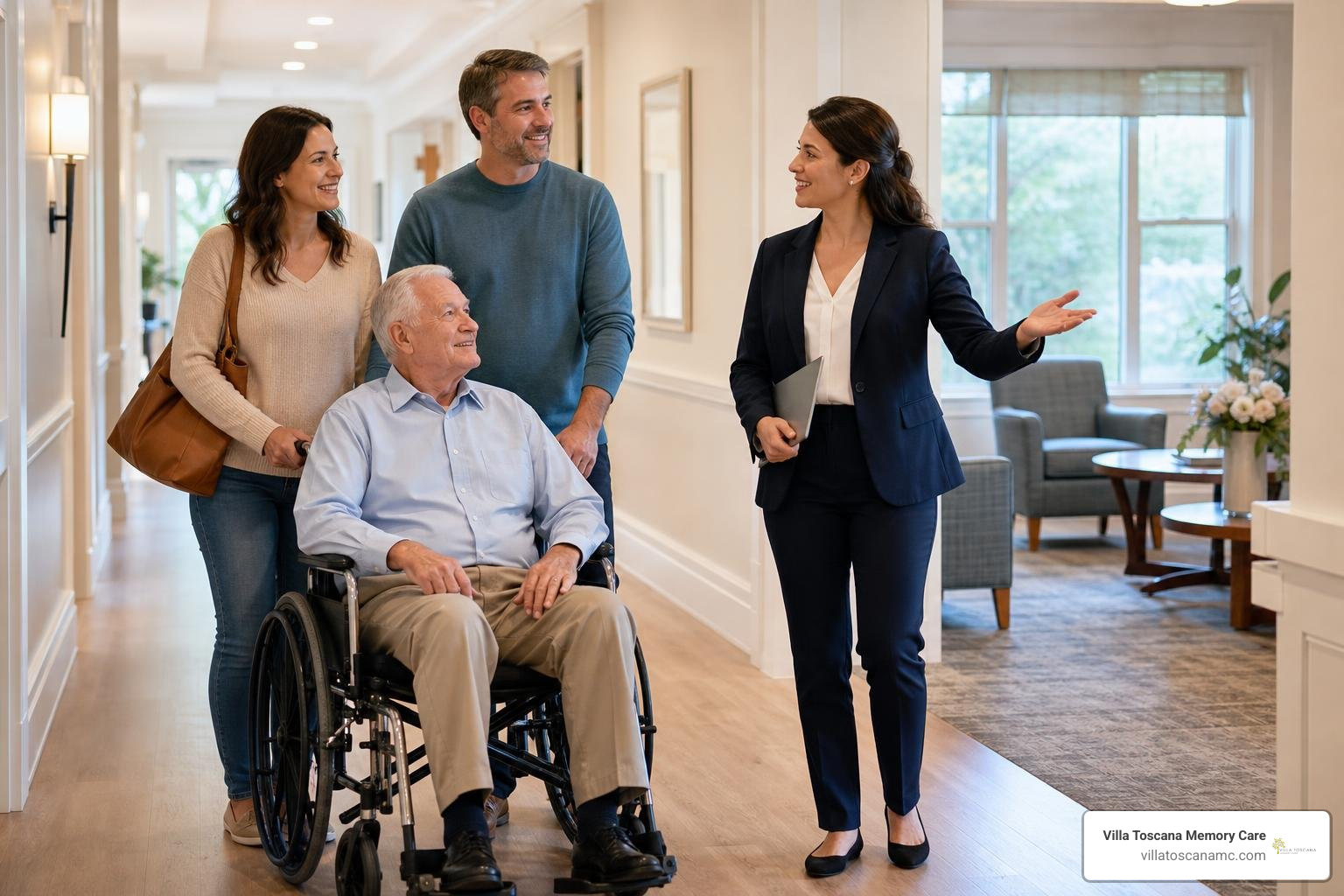
Choosing a post-acute recovery setting often happens quickly before hospital discharge. Families can evaluate centers using the Centers for Medicare & Medicaid Services (CMS) Five-Star Quality Rating System, state public health inspection records, and in-person tours.
If an urgent hospital transition requires quick action, reviewing strategies for finding short-term care on short notice can help simplify this evaluation.
Key Questions to Ask Short Term Nursing Care Facilities During Tours
When speaking with the Admissions Director or Director of Nursing (DON), consider asking these targeted questions:
- What are your dedicated day, evening, and weekend nurse-to-patient staffing ratios?
- How many days per week are physical, occupational, and speech therapy services actively provided?
- Is an attending physician or medical director on-site daily, and what is the protocol for after-hours physician calls?
- How does your clinical team manage complex wound care, IV antibiotics, and diabetic routines?
- What infection prevention and control protocols are enforced across the recovery wings?
- How do you coordinate with families regarding weekly progress reports and care plan conferences?
Evaluating Safety, Amenities, and Environmental Fit
Beyond clinical checklists, the physical atmosphere directly impacts recovery morale. Look for clean, well-lit spaces, secure outdoor courtyards, and accessible community dining options.
For seniors who also experience cognitive challenges, evaluating whether the facility has secure layouts, clear visual cues, and calming social spaces is essential. Families looking for short-term caregiver support can also explore how to recharge your energy while ensuring safe care for your loved one within specialized memory-support environments.
Discharge Planning and Transitions of Care
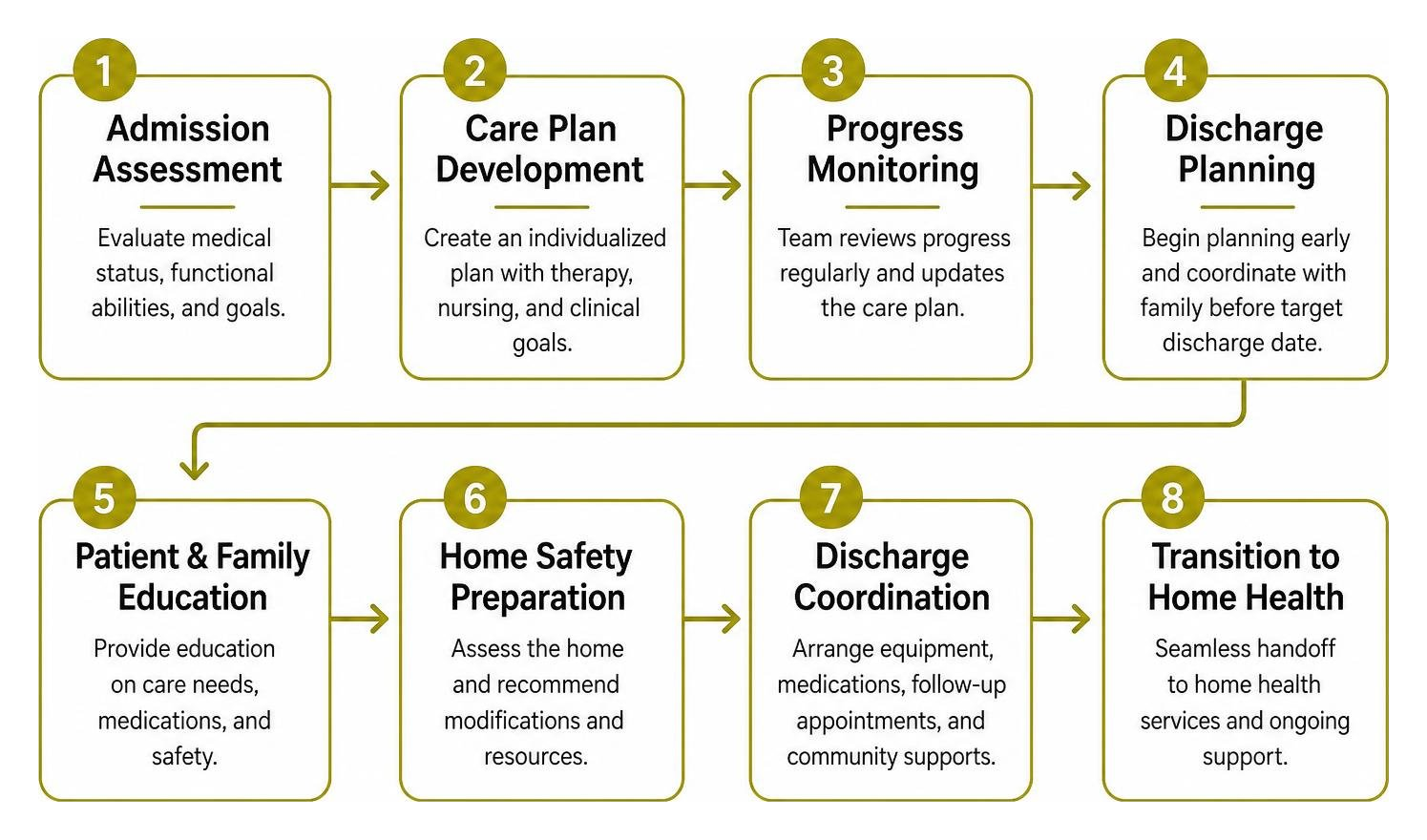
Discharge planning begins on the day of admission. Federal regulations require certified nursing centers to regularly evaluate post-discharge safety and coordinate with families well before the target discharge date.
Preparing for a Safe Return Home
When therapy goals are met and the physician confirms medical stability, the team coordinates the home transition:
- Caregiver Training: Family members receive hands-on instruction in safe transfer methods, mobility aids, and medication schedules.
- Home Safety Assessments: Occupational therapists recommend modifications, such as bathroom grab bars, shower chairs, and stair rails.
- Durable Medical Equipment (DME): Social workers arrange home delivery of walkers, wheelchairs, oxygen concentrators, or hospital beds.
- Home Health Coordination: Arranging visiting nurses, physical therapists, and medical social workers to continue recovery at home.
Transitioning from Short-Term Rehab to Long-Term Residential Care
In some cases, a short-term rehabilitation stay reveals that a senior has experienced persistent functional decline or advancing memory loss that makes returning home unsafe.
When ongoing supervision is needed, families can explore assisted living vs memory care facilities to identify long-term environments designed for daily safety, cognitive engagement, and specialized care.
Frequently Asked Questions About Short-Term Care
How long does a typical stay in a short-term nursing facility last?
Most short-term rehabilitation stays range from 15 to 30 days, though some last anywhere from a few days to several weeks. Length of stay depends on surgical healing, individual tolerance for therapy, personal recovery goals, and regular physician recertification.
What qualifying criteria are needed for Medicare to cover a short-term stay?
Medicare Part A requires a qualifying three-consecutive-day inpatient hospital admission (not including observation stays), admission to a certified facility within 30 days of discharge, and a documented medical need for daily skilled nursing or therapy services overseen by licensed clinicians.
Can a family member choose which short-term nursing facility their loved one goes to?
Yes. Patients and their families have the legal right to select any Medicare-certified skilled nursing facility, provided the facility has an available bed and can meet the individual’s clinical needs. Hospital discharge planners provide a list of local options, and families can choose the setting that best fits their location, quality preferences, and recovery goals.
Finding the Right Care Path Forward
Navigating post-acute recovery can feel daunting, but understanding clinical capabilities, Medicare guidelines, and discharge steps empowers families to make confident choices. Whether your loved one is recovering from an unexpected surgery or regaining mobility after an illness, selecting a facility that emphasizes individualized rehabilitation, clear communication, and compassionate nursing creates a smooth path back to strength.
When cognitive decline or memory support requires dedicated attention beyond short-term recovery, our family-owned team at Villa Toscana Memory Care in Mountain View, CA is here to help. To learn more about supportive respite options, review everything families need to know about short-term respite care to find the right care balance for your family.