
Respite Care for Dementia Caregivers: Safe Relief That Helps You Keep Going
Respite care for dementia caregivers gives you planned time away while your parent receives safe, appropriate support. Start by choosing the setting that fits their needs: in-home help for a few hours, an adult day program for daytime coverage, or a short stay in a secure memory care community when you need overnight support. Then schedule a trial visit before an emergency makes the decision harder.
Caring for a parent with dementia can be loving and meaningful, but it is also demanding. Family caregivers provide an average of 24 hours of care each week, often for years. A break is not giving up. It is a practical way to protect your health, handle your own appointments and responsibilities, and return with more energy.
The right respite plan can also benefit your loved one. They may receive social connection, structured activities, meals, medication support, and 24-hour supervision based on the setting you choose. For many families, knowing a trained team is available brings needed peace of mind.
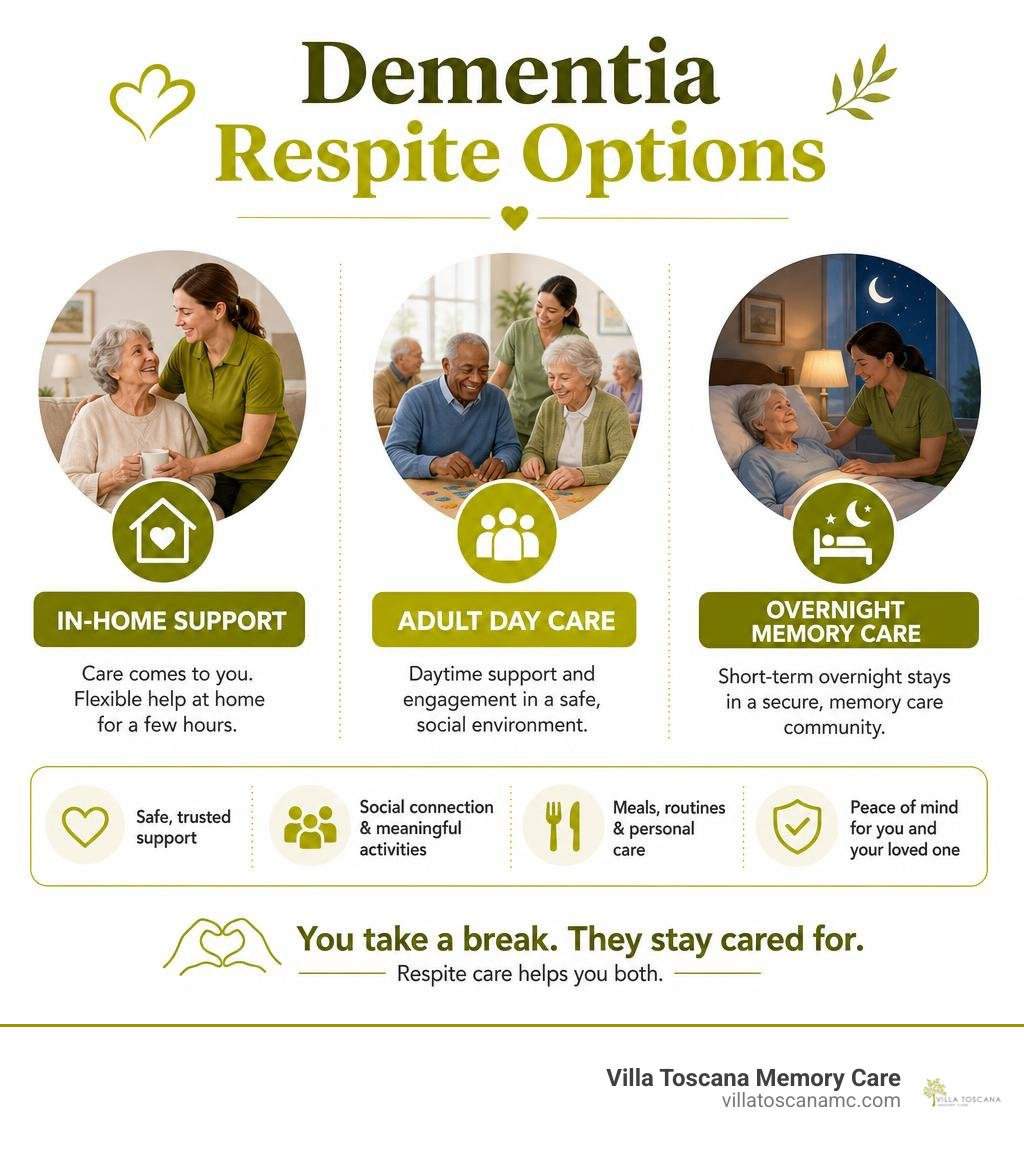
Exploring Types of Respite Care for Dementia Caregivers
Navigating the landscape of caregiver relief options begins with understanding the distinct models of care available. No single solution works for every family; the ideal choice depends on your loved one’s cognitive stage, mobility, and specific medical or behavioral needs, as well as your own schedule.
| Respite Care Model | Primary Setting | Ideal Caregiver Scenario | Core Services Provided | Typical 2026 Cost Benchmark |
|---|---|---|---|---|
| In-Home Care | Loved one’s private residence | Need a few hours to run errands, attend personal doctor appointments, or rest at home. | Companion visits, meal prep, personal hygiene, light housekeeping, medication reminders. | ~$30–$40 / hour |
| Adult Day Programs | Specialized daytime community center | Working caregivers needing daytime supervision or those seeking structured social stimulation. | Supervised social engagement, arts and crafts, music therapy, meals, therapeutic exercise. | ~$103 / day |
| Residential Memory Care Respite | Specialized senior living / memory care community | Caregivers traveling, facing illness, needing multi-day rest, or evaluating long-term care options. | 24/7 dedicated staffing, secure environments, medication administration, gourmet dining, daily programming. | ~$150–$300+ / day |
In-Home Care and Companion Support
In-home respite care allows your loved one to remain in their familiar living environment while a trained professional steps in to assist. This model ranges from non-medical companion services to skilled nursing care.
Companion aides provide safety supervision, conversation, meal preparation, and light homemaker assistance. For families dealing with moderate memory loss, specialized dementia home aides are trained in behavioral de-escalation, redirecting repetitive questioning, and engaging seniors with gentle memory exercises. Skilled nursing aides can step in if your family member requires medical care, such as wound management, catheter care, or complex medication administration.
In-home care offers unmatched scheduling flexibility. Whether you need two hours every Tuesday morning or continuous weekend support, you can tailor shifts directly around your personal routine.
Adult Day Care Centers and Social Engagement
Adult day care centers provide structured daytime environments outside the home, offering an ideal solution for working family members. Rather than leaving a loved one isolated, these centers provide rich peer socialization, nutritious meals, and tailored cognitive therapy.
In these supervised settings, seniors participate in stimulating activities for seniors with memory loss, including therapeutic art classes, group music sessions, gentle chair yoga, and trivia games. This dynamic daily engagement combats the apathy and depression often linked to progressive cognitive decline, while giving you predictable, full-day blocks of uninterrupted time.
Short-Term Residential Memory Care and Overnight Stays
When you need to travel, manage personal medical procedures, or take an extended break, short-term residential stays in a dedicated memory care community offer comprehensive relief.
Unlike general assisted living, specialized memory care communities provide secure, purpose-built environments designed to manage wandering risks, reduce sensory overload, and maintain consistent daily rhythms. Professional staff are on site 24/7 to manage medication regimens, assist with activities of daily living (bathing, dressing, grooming), and guide residents through tailored daily routines.
According to the guide on respite care options from the Alzheimer’s Association, scheduled short-term stays also serve as an effective, low-stress transition step. Experiencing community life during a planned respite period helps individuals with memory loss become familiar with professional staff and community spaces, making any potential future long-term moves far smoother.

Overcoming Financial Barriers and Caregiver Guilt
Seeking outside support is both an operational and emotional hurdle. Many family caregivers hesitate to seek help due to worries about out-of-pocket costs or persistent feelings of personal guilt.
Financial Assistance and Respite Care for Dementia Caregivers Funding
Financing respite care often involves combining private funds, public benefits, and targeted local grants. While traditional Medicare generally does not pay for non-medical long-term care or standard residential room and board, notable relief options exist:
- The Medicare GUIDE Model: The Guiding an Improved Dementia Experience (GUIDE) model provides eligible beneficiaries on traditional Medicare with comprehensive care navigation and an annual stipend of over $2,500 specifically for respite services. As covered in reports detailing the Medicare $2,500 dementia caregiving stipend, this benefit reimburses approved in-home care, adult day programs, and facility-based respite stays.
- National Family Caregiver Support Program (NFCSP): Established under the Older Americans Act, this program allocates federal funding to local Area Agencies on Aging (AAA). Crucially, the NFCSP waives standard age minimums for individuals with a clinical diagnosis of Alzheimer’s disease or a related dementia, allowing younger-onset families to access respite vouchers.
- State Respite Grants and Lifespan Coalitions: Many states administer dedicated respite funds. For instance, programs like Kansas’s K-RAD and New Jersey’s Respite Care and Wellness Program offer grants between $1,000 and $2,500 to help offset caregiving expenses.
- Medicaid Home and Community-Based Services (HCBS) Waivers: For qualifying low-income seniors, state Medicaid HCBS waivers frequently cover planned in-home and adult day respite to help keep seniors living safely in their communities.
- Hospice Respite Benefit: If a loved one with late-stage dementia is enrolled in Medicare hospice care, Medicare covers up to five consecutive days of inpatient respite care per episode in a Medicare-certified facility, requiring only a nominal 5% coinsurance payment.
Moving Past Emotional Hurdles and Reluctance
Caregivers often struggle with an internal “badge of courage” mindset—the belief that stepping away or admitting fatigue represents personal failure. In reality, carrying an unrelenting care burden compromises your own physical and cognitive health.
Research highlights that over 66% of dementia caregivers report chronic health conditions, including cardiovascular disease, while nearly 28% experience clinical depression. When your physical and emotional reserves run dry, the quality of care you provide inevitably declines.
Respite is not an act of abandonment; it is an active investment in your health and a source of enrichment for your loved one. Professional respite introduces new, stimulating conversations, diverse recreational activities, and therapeutic environments that family members cannot easily recreate alone at home every day.

Step-by-Step Guide to Planning and Maximizing Your Respite Breaks
To get the most out of respite care, intentional preparation is essential. A well-organized strategy ensures your loved one stays safe while you return from your break truly rested.
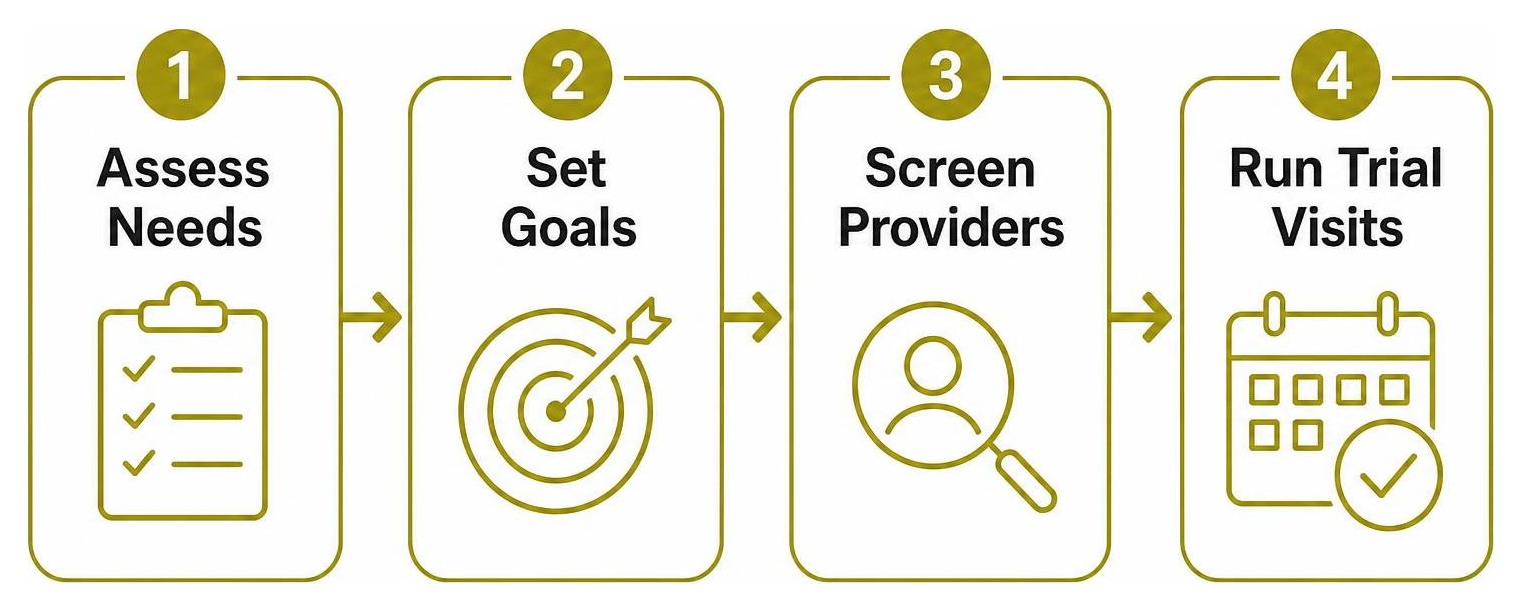
Maximizing the Benefits of Respite Care for Dementia Caregivers Through Goal Setting
How you spend your time away matters just as much as securing the hours themselves. In academic findings from the Time for Living and Caring (TLC) study, nearly half of dementia caregivers reported feeling dissatisfied after their respite breaks, expressing frustration that they had simply “wasted time” on aimless activities without feeling refreshed.
The study revealed that caregivers who set explicit, goal-oriented plans experienced significantly higher subjective happiness and improved caregiving confidence one week later, regardless of the absolute number of respite hours received.
To maximize the therapeutic benefit of your break:
- Define SMART Goals: Identify clear, achievable goals before your respite period begins. Distinguish between obligatory tasks (grocery shopping, dental checkups, taxes) and restorative activities (reading, dining with friends, walking in nature).
- Protect Restorative Time: Dedicate at least half of your scheduled break exclusively to self-care and rejuvenation, rather than filling the entire window with household chores.
- Track Your Well-Being: Use digital care calendars or mobile wellness apps to review your weekly respite satisfaction. Over half of family caregivers find that digital tracking tools significantly improve their ability to manage daily stress.
Preparing for Unplanned and Emergency Respite Needs
Medical emergencies, unexpected family obligations, or sudden caregiver illness can occur without warning. Proactive emergency planning prevents panic:
- Pre-Register with Local Providers: Complete initial intake paperwork with at least one in-home care agency and one residential memory care community before a crisis occurs.
- Compile a “Caregiver Grab-and-Go” Folder: Keep an accessible binder containing:
- Current list of all diagnoses, physician contacts, and insurance cards.
- Detailed medication schedule, including exact dosages, administration times, and pharmacy details.
- Behavioral profile outlining known triggers, calming techniques, favorite foods, music preferences, and daily sleep routines.
- Advance directives, medical power of attorney documentation, and emergency contact numbers.
- Organize an Informal Support Network: Maintain an active care calendar with trusted neighbors, friends, and family members who are familiar with your loved one’s routine and can step in for immediate supervision while formal respite arrangements are finalized.
Frequently Asked Questions About Respite Care
Does Medicare pay for overnight respite care in a residential memory care community?
Standard Original Medicare does not cover routine room-and-board or non-medical assistance for overnight stays in assisted living or residential memory care communities. However, exceptions exist under specific programs:
- Medicare Hospice Benefit: If your loved one is enrolled in hospice care, Medicare covers up to 5 consecutive days of inpatient respite care at a Medicare-approved hospital or skilled nursing facility to relieve the primary caregiver.
- Medicare GUIDE Model: Families enrolled in participating GUIDE model networks can apply their annual respite stipend (exceeding $2,500) toward approved short-term residential stays.
- Long-Term Care Insurance: Many private long-term care insurance policies include explicit daily respite care allowances for licensed residential memory care facilities.
Can families access government respite programs if the person with dementia is under 60?
Yes. Under the federal National Family Caregiver Support Program (Older Americans Act Title III-E), the standard age qualification of 60 and older is waived for individuals diagnosed with Alzheimer’s disease or related disorders. Caregivers supporting a loved one with younger-onset dementia at any age are eligible for state-administered voucher programs, information services, and caregiver support groups.
How can I prepare my loved one for respite care without causing agitation?
Transitioning to a new caregiver or setting requires patience, structure, and a calm approach:
- Keep Explanations Simple and Positive: Avoid long, complex debates about care. Frame adult day programs or short-term stays around engaging themes—such as visiting an “activity club,” participating in an “art and wellness retreat,” or spending time with friends while the house is being cleaned.
- Maintain Familiar Rhythms: Ensure the respite team follows your loved one’s standard waking, dining, and medication times.
- Bring Comfort Items: For residential stays, pack familiar blankets, family photo albums, favorite clothing, and preferred snacks to establish an immediate sense of safety and comfort.
- Conduct Trial Runs: Start with short sessions—such as a two-hour companion visit or a half-day adult day center session—before scheduling multi-day overnight stays.
Conclusion
Caring for someone with memory loss is a long, demanding journey that cannot be walked alone. Implementing regular, goal-oriented respite care protects your mental and physical health while providing your loved one with safe, enriching, and dignified support.
If you are exploring temporary relief or evaluating dedicated residential environments, our team at Villa Toscana Memory Care is here to help. We provide a family-owned, boutique memory care setting in Mountain View, California, featuring 24-hour specialized staff, secure spaces, and high-quality culinary experiences through our on-site partnership with Giorgio’s Italian Grill. Reach out today to schedule a personal tour and discover how our specialized short-term and long-term care programs can support your family.