
Finding Memory Care in California That Fits Your Parent
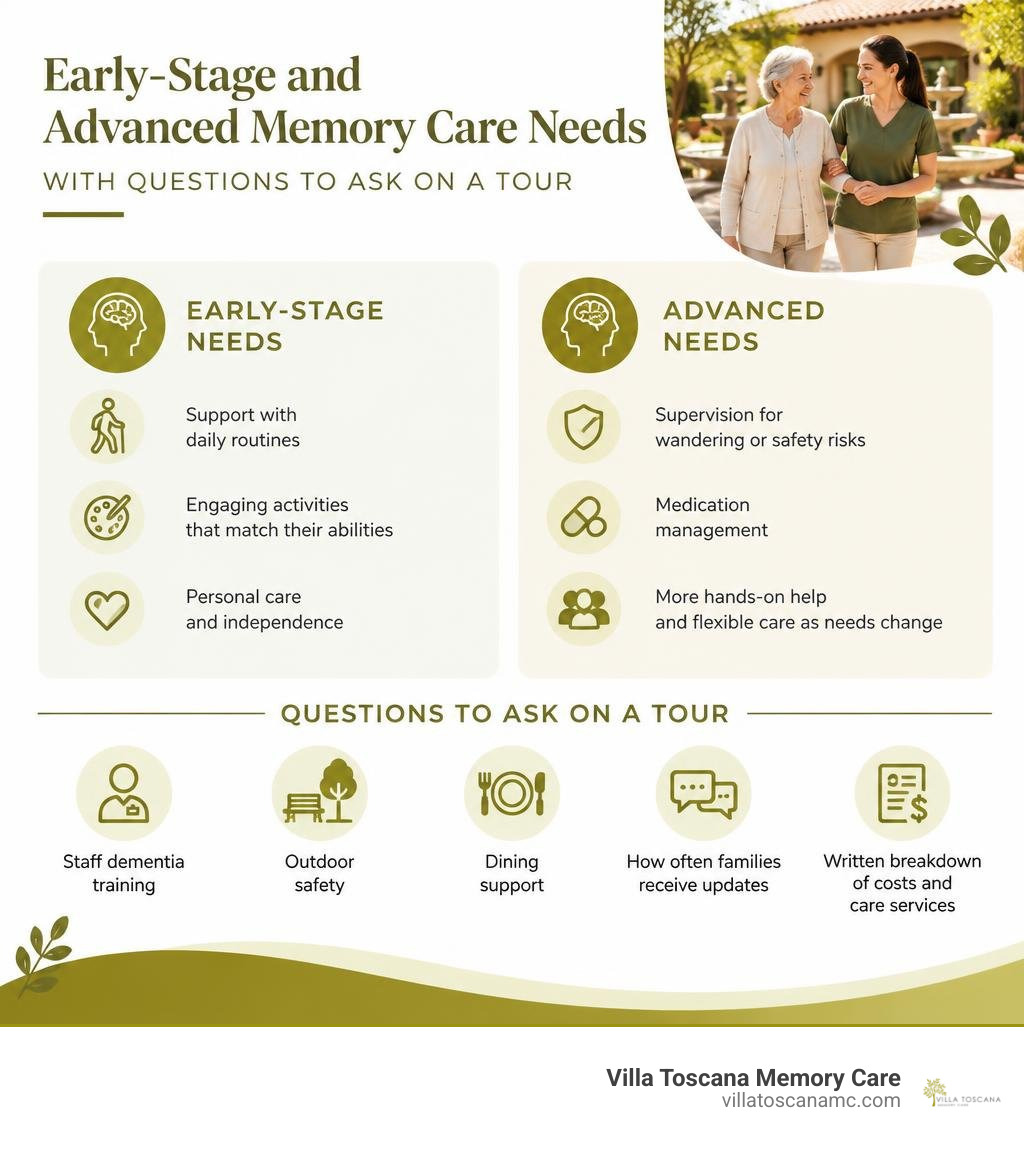
Start with your parent’s needs, then compare communities in the area where your family can visit. If your parent needs help with daily routines, look for activities and personal care that match their abilities. If they wander, miss medications, or need more hands-on help, ask how each community provides supervision and responds when needs change.
On a tour, check the staff’s dementia training, outdoor safety, dining support, and how often families receive updates. Ask for a written breakdown of costs and care services before deciding. Finding quality memory care near California means matching your parent’s current and future needs with a community that can support them through every stage of cognitive change.
Memory care near california word guide:
Recognizing When It Is Time for Memory Care Near California
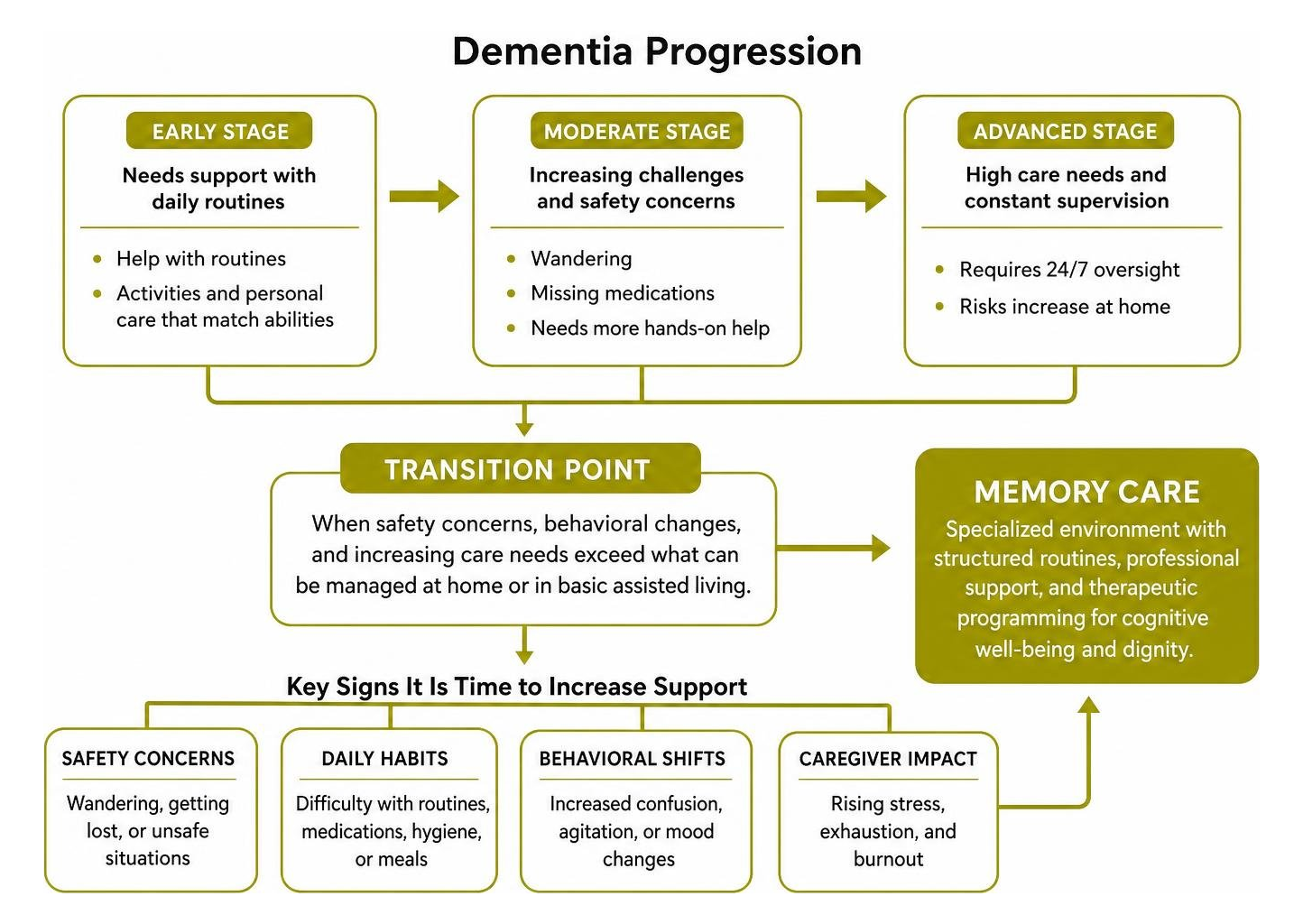
Caring for an aging parent experiencing cognitive decline is an emotional journey filled with love, patience, and often overwhelming exhaustion. While many adult children hope to care for their parents at home indefinitely, progressive conditions like Alzheimer’s disease and other forms of dementia introduce complex challenges. Over time, safety concerns, behavioral shifts, and increasing care requirements can lead to severe caregiver burnout.
Recognizing the transition point from home care or basic assisted living to specialized memory care is essential for maintaining your parent’s dignity and well-being. Dedicated memory care communities provide structured environments, round-the-clock professional oversight, and tailored therapeutic programming designed specifically to support individuals experiencing cognitive changes.
Key Signs It Is Time to Increase Memory Care Support
Determining whether your parent requires specialized memory care involves observing changes in their safety, daily habits, and emotional health. As neurodegenerative changes affect scientific insights on human memory, individuals lose the ability to manage complex tasks and evaluate hazards.
Common indicators that it is time to seek higher levels of memory care support include:
- Wandering and Disorientation: Leaving home unattended, getting lost in familiar neighborhoods around Silicon Valley or the Peninsula, or attempting to walk out at inappropriate times.
- Sundowning Symptoms: Heightened agitation, confusion, pacing, or anxiety that begins late in the afternoon and worsens into the evening.
- Medication Non-Adherence: Forgetting critical prescriptions, doubling doses, or being unable to organize complex daily medication regimens safely.
- Declines in Activities of Daily Living (ADLs): Noticeable difficulties with personal hygiene, bathing, dressing, grooming, or eating independently.
- Nutritional and Physical Neglect: Unexplained weight loss, spoiled food remaining in the refrigerator, dehydration, or skipping meals entirely.
- Household Hazards: Leaving burners on the stove, misplacing dangerous household chemicals, or failing to lock exterior doors.
- Caregiver Strain: Family caregivers experiencing physical illness, severe sleep deprivation, chronic stress, or depression due to the constant demands of continuous supervision.
Early-Stage Support vs. Advanced Memory Care Near California Programs
Cognitive decline progresses along a continuum, meaning support must adapt as needs evolve. Understanding the differences between care stages helps families choose a community capable of providing long-term support without requiring disruptive relocations. Exploring comprehensive dementia living options allows families to match care environments with their loved one’s specific stage of cognitive impairment.
Early-Stage Memory Care
In the initial stages of cognitive impairment, individuals benefit from structured routines that emphasize autonomy, social engagement, and cognitive maintenance. Programs at this level focus on:
- Promoting independence while providing gentle oversight.
- Small-group cognitive exercises, discussions, and creative arts.
- Structured daily schedules to reduce anxiety and disorientation.
- Encouraging peer connections to prevent isolation and depression.
Advanced-Stage Memory Care
As dementia progresses into later stages, verbal communication declines and physical vulnerability increases. Advanced programs focus on high-acuity support:
- Comprehensive physical assistance with all personal care and mobility.
- Sensory-focused therapies using soothing music, tactile materials, and aroma therapy.
- Specialized non-verbal communication techniques to interpret resident needs and prevent distress.
- Continuous clinical oversight and direct coordination with medical providers to manage complex health conditions.
Essential Standards and Safety in California Memory Care Communities
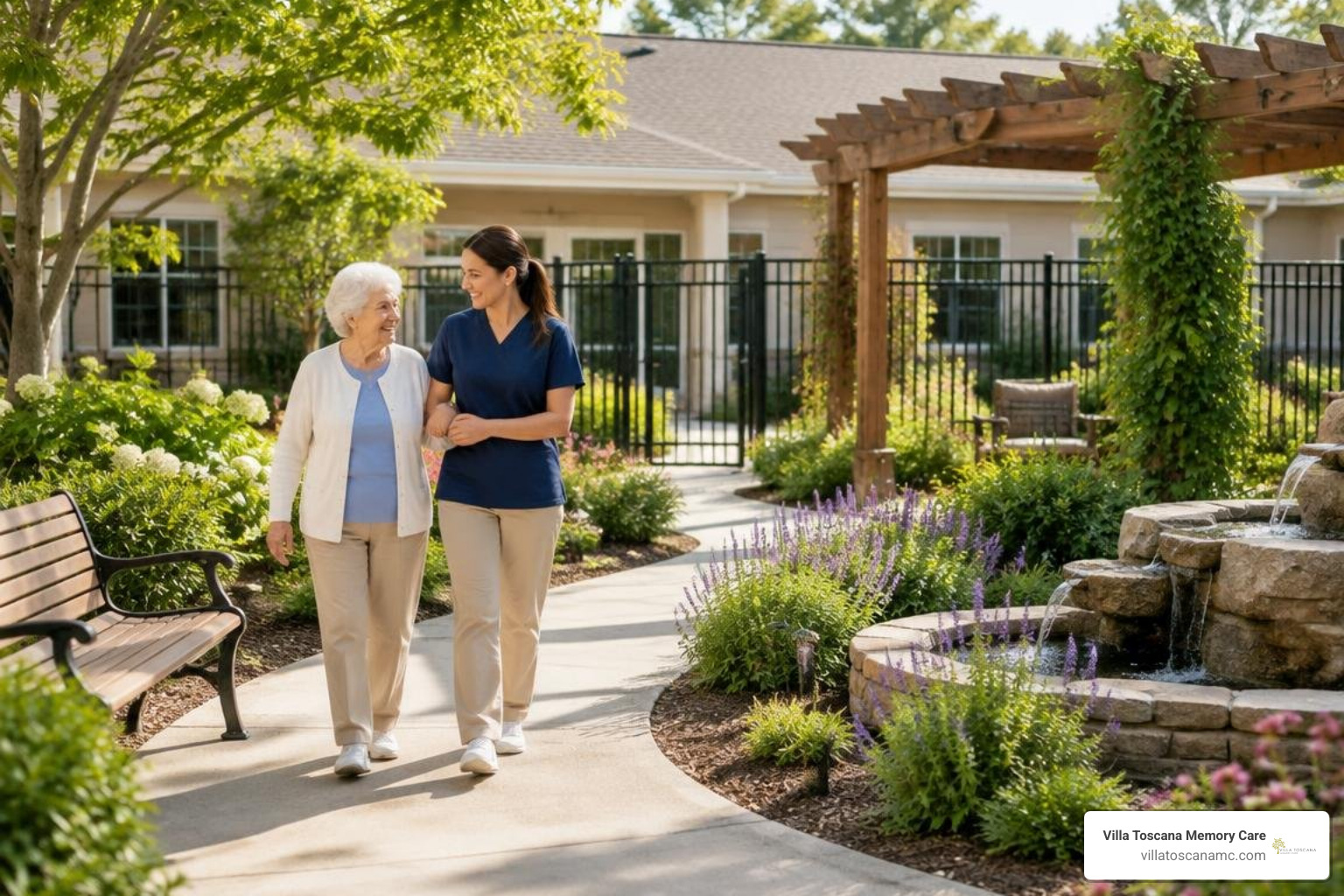
Safety is a primary concern for families seeking specialized memory care. Quality communities are thoughtfully engineered to maximize safety without creating an institutional or restrictive atmosphere. In communities across the Bay Area—from Mountain View and Palo Alto to Los Altos and San Jose—thoughtful architectural design enables residents to move about freely while remaining within a protected setting.
Communities comply with rigorous licensing standards established by California state licensing and social services, operating under Residential Care Facilities for the Elderly (RCFE) guidelines to ensure high standards of resident rights, physical building safety, and operational transparency.
Key environmental design elements include:
- Secured Perimeters: Enclosed courtyards and secured perimeter doors that allow safe outdoor access without relying on intrusive, alarming security systems.
- Circular Pathways: Continuous interior hallways and garden walking paths designed without dead ends, which reduces frustration and agitation among residents who pace.
- Architectural Wayfinding: High-contrast color palettes, distinct visual cues, memory boxes outside private suites, and clear signage that help residents navigate independently.
- Lighting Design: Abundant natural light and circadian-supportive indoor lighting systems that help stabilize sleep-wake cycles and minimize sundowning.
Staff Training, Qualifications, and Caregiver Ratios
The skill, compassion, and continuous education of the care team directly define the quality of life within a memory care community. California regulations mandate specialized training for all staff working directly with dementia residents, covering topics such as communication strategies, behavioral de-escalation, hydration, and person-centered care planning.
Understanding memory care staffing ratios and state mandates helps families evaluate whether a community provides sufficient direct care coverage. Leading memory care settings maintain low staff-to-resident ratios, ensuring that caregivers can dedicate unhurried time to each resident’s daily routines.
Key qualifications and care standards to verify during your search:
- Dementia-Specific Certifications: Direct care staff trained in validated behavioral intervention and dementia communication methods.
- Behavioral De-escalation Skills: Techniques to identify underlying emotional or physical triggers (such as pain, fatigue, or overstimulation) behind agitation, rather than relying on chemical or physical restraints.
- 24/7 On-Site Presence: Specially trained caregivers available around the clock, supported by licensed nursing oversight to manage complex clinical requirements.
- Continuous Education: Regular training modules covering the latest evidence-based practices in cognitive care and non-pharmacological support.
Comparing Memory Care Support Needs
To help evaluate your parent’s care requirements, the following table illustrates how support structures adapt across various stages:
| Care Dimension | Early to Mild Cognitive Impairment | Moderate to Advanced Memory Care |
|---|---|---|
| Supervision Level | Intermittent oversight with planned daily routines | 24/7 continuous direct supervision and safety monitoring |
| ADL Assistance | Cueing and minimal hands-on help for bathing/dressing | Full, dignified physical assistance with all personal hygiene |
| Dining Support | Independent dining with balanced, chef-prepared options | Adaptive utensils, finger-food modifications, and direct feeding assistance |
| Mobility & Safety | Unassisted ambulation within secured community grounds | Transfer assistance, fall-prevention measures, and guided mobility |
| Enrichment Style | Group discussions, intellectual classes, and social outings | One-on-one sensory stimulation, music therapy, and gentle movement |
| Medical Oversight | Routine medication management and regular physician visits | Intensive medication coordination and ongoing clinical assessments |
Life Inside Top Programs: Therapy, Dining, and Daily Enrichment

A high standard of memory care goes well beyond basic physical assistance. True quality of life comes from purpose, engagement, and sensory enjoyment. Modern memory care programs incorporate comprehensive wellness philosophies that nurture physical health, cognitive vitality, and emotional connection every day.
Innovative Therapies and Cognitive Wellness
Engaging the brain through structured, evidence-based activities supports emotional balance and preserves functional capabilities for as long as possible. When evaluating memory care options for Alzheimer’s and dementia, ask how daily activities are customized to each resident’s personal history and cognitive stage.
Core therapeutic modalities include:
- Music and Reminiscence Therapy: Utilizing familiar melodies and personal playlists to unlock deep-seated memories, alleviate anxiety, and spark joyful conversation.
- Sensory and Art Enrichment: Tactile creative arts, gardening, and sensory stations that encourage creative self-expression without requiring complex verbal skills.
- Physical Vitality Programs: Daily guided stretching, chair yoga, and walking clubs in secure courtyards to maintain strength, balance, and motor coordination.
- Cognitive Stimulation: Word games, trivia, storytelling, and lifelong learning discussions tailored to stimulate curiosity and cognitive retention.
Dining and Culinary Excellence
Nutrition plays a foundational role in cognitive and physical health. Memory care dining should be an inviting, restaurant-style experience tailored to resident needs:
- Nutritious, Chef-Crafted Meals: Fresh, wholesome ingredients prepared daily to support brain and metabolic health.
- Culinary Partnerships: At our Villa Toscana community in Mountain View, our unique on-site partnership with Giorgio’s Italian Grill delivers restaurant-quality, flavorful dining tailored to personal dietary preferences.
- Adaptive Dining Support: Offering finger foods, specialized plate wear, and dignified assistance to ensure residents dine comfortably and maintain proper hydration and nutrition.
Family Engagement, Communication, and Care Planning
Choosing memory care is a collaborative journey that actively involves the entire family. Transitioning a loved one should never mean stepping away from their care; rather, it allows family members to return to their primary roles as loving sons, daughters, and spouses while professional caregivers handle daily care routines.
Consulting a complete guide to finding private memory care provides valuable guidance for families navigating this emotional transition.
Leading communities support families through:
- Regular Care Conferences: Scheduled meetings to review care goals, behavioral updates, and health adjustments with nursing and care teams.
- Family Support Groups: Facilitated discussion circles where family members can share experiences, process grief, and gain practical coping strategies.
- Transparent Communication: Proactive updates regarding daily activities, dining habits, and physical well-being through phone calls and digital family portals.
- Open Community Life: Welcoming family visits, shared courtyard lunches, and participation in community celebrations across our local Bay Area neighborhoods.
Understanding Pricing, Financial Aid, and Transitioning Steps
Understanding the financial landscape and operational steps of moving into memory care helps families plan effectively and avoid unexpected surprises. Memory care fees reflect the high caregiver ratios, secure environment, and specialized programming required to support residents with cognitive impairments.
Evaluating Memory Care Near California Costs and Funding Options
Memory care pricing typically includes a monthly base rate covering accommodation, dining, housekeeping, and standard activities, plus a care tier fee determined by the resident’s specific support needs.
Reviewing a comprehensive memory care cost breakdown by state and examining expected dementia care costs across the nation provides realistic context for long-term financial planning. In Northern California—particularly across Santa Clara and San Mateo counties—monthly fees reflect regional economic factors and elevated staffing standards.
Common financial resources to help offset memory care expenses include:
- Long-Term Care Insurance (LTCI): Policies that include assisted living and memory care benefits can cover a significant portion of monthly care costs once benefit triggers are met.
- Veterans Aid and Attendance: A supplemental pension benefit available to qualifying wartime veterans and surviving spouses to help cover personal care assistance.
- Medi-Cal Assisted Living Waiver (ALW): A state program in designated California counties designed to assist eligible low-income seniors with care costs in participating facilities.
- Bridge Loans and Private Asset Planning: Short-term eldercare financing or proceeds from the sale of a family home, managed alongside specialized elder law and financial planners.
Navigating the Move: Assessments, Personalized Care Plans, and Move-In Planning
A smooth transition relies on detailed preparation and individualized care planning before move-in day. Reviewing a practical guide to memory care centers and amenities helps ensure that all necessary assessments and personal details are in place.
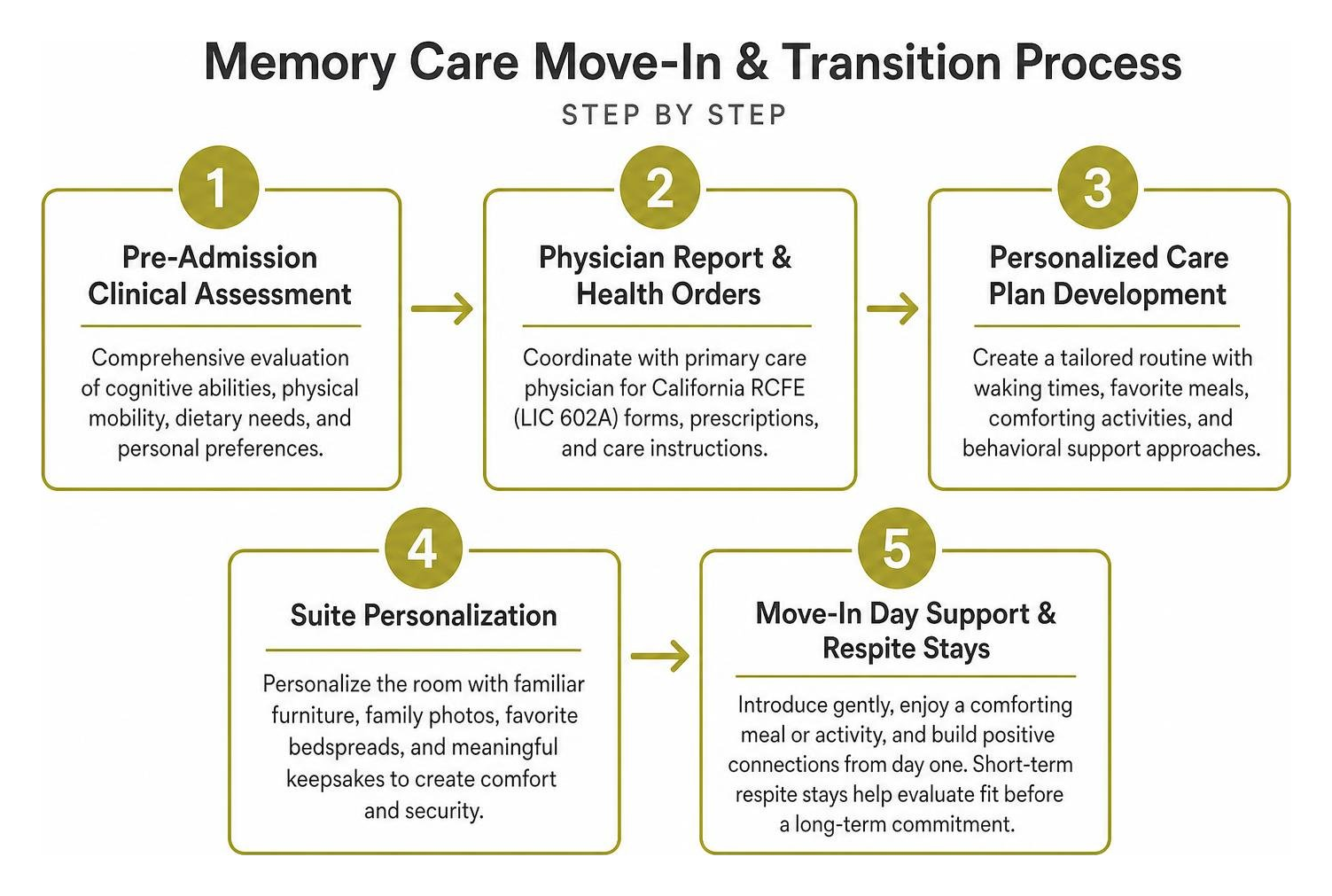
- Pre-Admission Clinical Assessment: A comprehensive evaluation conducted by the wellness team to assess cognitive abilities, physical mobility, dietary requirements, and personal preferences.
- Physician Report & Health Orders: Coordination with your parent’s primary care physician to obtain standard California RCFE health assessment forms (LIC 602A), current prescriptions, and specific care instructions.
- Personalized Care Plan Development: Creating a tailored routine that outlines waking times, favorite meals, comforting activities, and behavioral support approaches.
- Suite Personalization: Decorating your parent’s room with familiar furniture, cherished family photos, favorite bedspreads, and recognizable keepsakes to create an immediate sense of warmth and security.
- Move-In Day Support & Respite Stays: Introducing your parent gently to team members, engaging them in a comforting meal or activity, and allowing dedicated caregivers to establish positive, reassuring connections from day one. Many families also take advantage of short-term respite stays to evaluate fit before making a long-term commitment.
Frequently Asked Questions About Memory Care in California
What is the average monthly cost of memory care in California in 2026?
In 2026, memory care costs in California typically range from $6,000 to over $11,000 per month, depending on location, suite style, and required level of care. Across high-demand Bay Area communities—including Palo Alto, Los Altos, Cupertino, Sunnyvale, and Menlo Park—rates often fall at the higher end of this range due to elevated clinical staffing standards, luxury amenities, and competitive regional operating costs.
How do memory care communities prevent wandering without restrictive locks?
Modern memory care communities employ architectural wander-management strategies rather than institutional physical barriers. These include secured perimeter boundaries, keypad-accessible entrances, continuous circular hallways, and beautifully landscaped interior courtyards. Staff are trained in gentle redirection, and passive monitoring sensors ensure continuous safety while preserving resident freedom of movement and dignity.
What state regulations govern memory care facilities in California?
Memory care facilities in California are licensed as Residential Care Facilities for the Elderly (RCFE) and regulated by the California Department of Social Services (CDSS) Community Care Licensing Division under Title 22. Regulations govern staff-to-resident ratios, mandated dementia training hours for caregivers, physical building safety, medication management protocols, and strict resident rights protections.
Conclusion
Finding the right memory care community for an aging parent is one of the most significant and caring decisions a family can make. By understanding the key differences between early- and advanced-stage cognitive support, looking for robust safety standards, and seeking out engaging daily enrichment, you can ensure your loved one thrives in an environment that prioritizes their dignity and happiness.
At Villa Toscana Memory Care, our family-owned community serves seniors and their families throughout Mountain View, Los Altos, Palo Alto, Sunnyvale, Cupertino, Menlo Park, Santa Clara, Stanford, Atherton, Redwood City, and surrounding Bay Area neighborhoods. With 24-hour trained staff, an award-winning boutique architectural design, our exclusive dining partnership with Giorgio’s Italian Grill, and personalized wellness programming, we provide a warm, secure, and uplifting home.
Discover dedicated memory care at Villa Toscana and connect with our team today to schedule a personal tour and consultation for your family.