
Is Memory Care Home Care the Right Fit for Your Parent?
Memory care home care can be a good choice when your parent can remain safely at home with scheduled help for meals, bathing, medication reminders, companionship, and daily routines. Before hiring, assess three things: their safety when alone, the number of care hours they need each day, and whether family caregivers can sustain the work without burnout.
Home-based support may work well in earlier stages of dementia. But frequent wandering, falls, missed medications, nighttime confusion, or a need for around-the-clock supervision can make a dedicated memory care community the safer and more predictable option.
The choice is not simply “home” versus “facility.” It is a decision about the level of support your parent needs today – and what will protect their comfort, dignity, and quality of life as dementia changes. For a broader look at how dementia affects daily functioning, the Alzheimer’s disease overview from Wikipedia explains the progressive nature of cognitive decline.
This guide explains how to compare in-home caregivers with residential memory care, estimate the real costs, vet care providers, and recognize when a transition may bring more safety and peace of mind for the whole family.
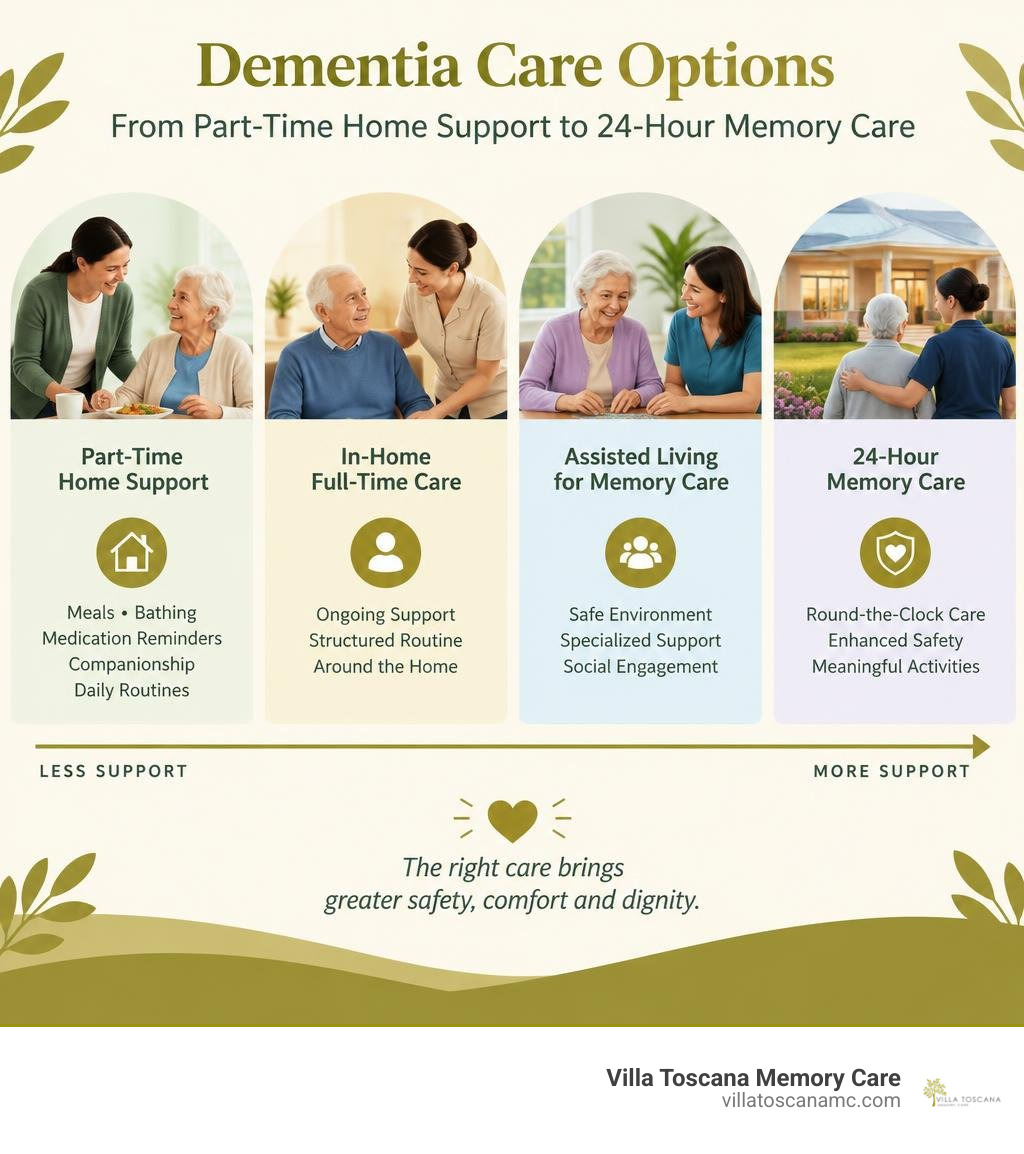
Understanding Memory Care Home Care vs. Dedicated Communities
When an aging parent receives a diagnosis of Alzheimer’s disease or another form of cognitive decline, families naturally desire to keep them in familiar surroundings for as long as possible. Aging in place offers comfort, routine, and a sense of independence. However, dementia is progressive, meaning the level of care required changes continuously over time.
Home-based memory support typically involves professional aides visiting for specific shifts to assist with Activities of Daily Living (ADLs)—such as bathing, dressing, meal preparation, and medication reminders. While this model works well in the mild or early-moderate stages, it relies heavily on family members to fill the gaps between shifts.
As cognitive needs expand, families often evaluate whether home support remains viable or if a dedicated environment is needed. In doing so, it helps to understand how specialized cognitive settings differ from medical clinical environments by evaluating memory care vs skilled nursing options. While skilled nursing addresses complex clinical and rehabilitation needs, dedicated memory care focuses primarily on cognitive stimulation, secure movement, and daily behavioral support.
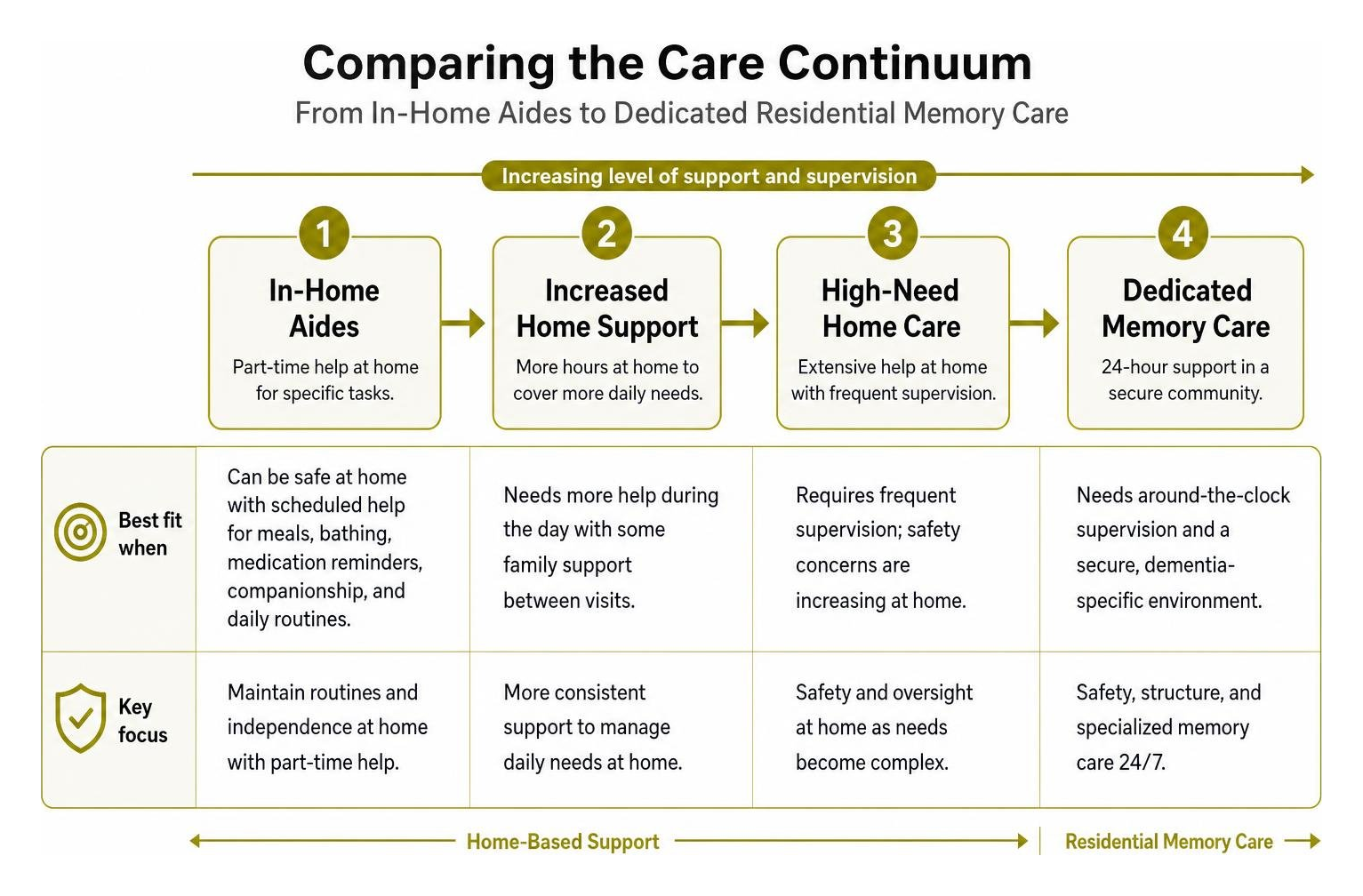
Core Differences in Dementia Support and Daily Safety
Managing dementia requires specialized safety interventions that a standard residential home cannot always provide without extensive modifications:
- Wandering and Elopement Risks: In a private home, securing exterior doors without creating a frightening, prison-like atmosphere is challenging. Dedicated communities utilize secure perimeter designs, keypad entries, and continuous courtyard access so seniors can explore freely without the risk of walking into traffic.
- Medication Management: In-home aides can offer verbal reminders, but unless you hire licensed nurses, they often cannot administer complex medications. In residential settings, licensed staff oversee medication regimens around the clock.
- Environmental Modifications: Making a home safe requires installing grab bars, removing rugs, locking away household cleaners, and adding non-slip flooring. Even then, steep staircases and narrow bathrooms can present ongoing fall hazards.
- Social Engagement: Homebound seniors frequently experience isolation, seeing only their primary caregiver and visiting aides. Dedicated settings integrate peer connections, music, and group sensory activities into every hour of the day.
Assessing the True Costs: In-Home Memory Care vs. Residential Living
Many families assume that staying at home is automatically the more affordable choice. While this is true when a parent only requires 10 to 15 hours of help per week, the financial equation flips dramatically as care needs approach 24 hours a day.
When you hire 24/7 in-home care through an agency, you are paying an hourly rate for 168 hours each week, plus potential holiday and overtime pay. In contrast, residential memory care combines housing, 24-hour supervision, gourmet dining, utilities, housekeeping, and life enrichment into a predictable monthly fee.
| Cost Category | In-Home Care (Part-Time: 20 hrs/wk) | In-Home Care (24/7 Coverage: 168 hrs/wk) | Dedicated Residential Memory Care |
|---|---|---|---|
| Direct Caregiver Wages | $2,800 – $3,600 / month | $18,000 – $26,000 / month | Included in monthly fee |
| Housing / Rent / Mortgage | Variable (Paid by senior) | Variable (Paid by senior) | Included |
| Meals & Nutrition | Groceries + prep time | Groceries + prep time | Included (Chef-prepared daily) |
| Home Modifications & Tech | $2,000 – $10,000 (One-time) | $2,000 – $10,000 (One-time) | Purpose-built; no home modifications needed |
| Utilities, Maintenance, Taxes | Paid separately by homeowner | Paid separately by homeowner | Included |
| Care Coordination & Oversight | Managed by family | Managed by family | Managed by clinical team |
To better understand regional pricing and fee structures, reviewing a comprehensive memory care cost breakdown by support level can help you plan your long-term family budget and uncover hidden expenses.
How to Evaluate and Hire In-Home Memory Caregivers
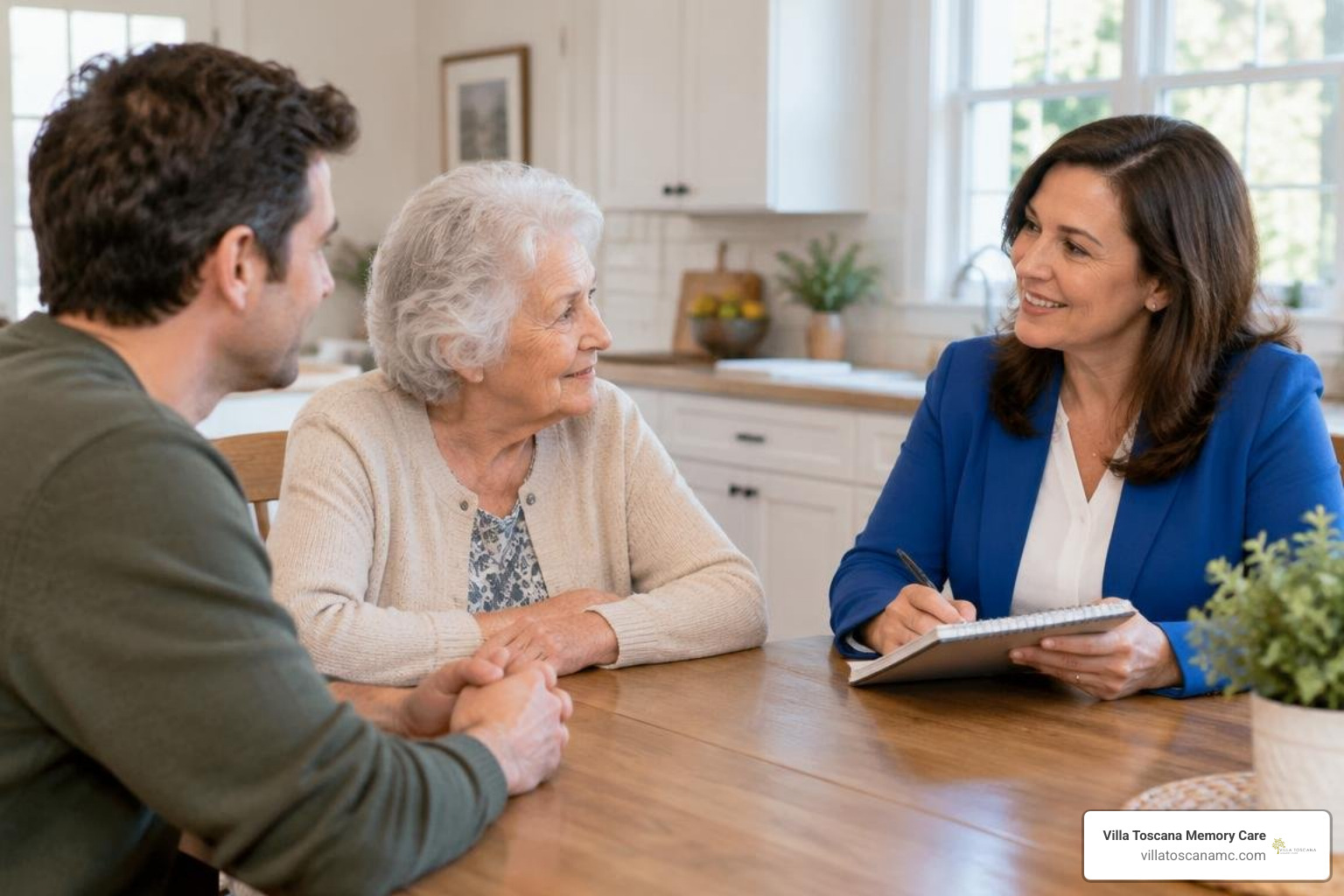
If your parent is in the earlier stages of dementia and in-home assistance remains the best path, finding the right caregiver requires careful vetting. Dementia care is significantly different from general companion care; it requires patience, behavioral management skills, and a deep understanding of memory loss.
You have two primary avenues for hiring: using a licensed home-care agency or hiring an independent caregiver directly. Agencies handle background checks, payroll taxes, liability insurance, and substitute caregivers when someone calls in sick. Independent hires can be more cost-effective and allow you to hand-pick every individual, but your family assumes all employer liabilities and scheduling responsibilities.
Essential Qualifications and Vetting Strategies for Memory Care Home Care
When vetting candidates, look beyond general eldercare experience. Use this structured evaluation checklist:
- Dementia-Specific Training: Ask if they hold certifications in Alzheimer’s care, validation therapy, or behavioral de-escalation techniques.
- Scenario-Based Interviewing: Do not just ask what they know—ask how they react. For example: “If my father refuses to bathe and insists he already took a shower, how will you handle it?” (Look for answers that prioritize redirection and validation over arguing).
- Emergency Readiness: Verify up-to-date CPR and First Aid certifications, and confirm they understand how to handle choking, sudden falls, and rapid confusion changes.
- Comprehensive Reference Checks: Speak directly with at least two families who employed the caregiver specifically for dementia support.
- Trial Shifts: Arrange a paid 3- to 4-hour trial shift while you remain in the home. Observe how the caregiver connects with your parent and whether they match their pace and personality.
Practical Solutions and Respite Options to Relieve Family Burden
Family caregivers often carry an immense physical and emotional load. Providing continuous care without relief leads directly to chronic fatigue and health challenges.
Before reaching a crisis point, explore local support options:
- Adult Day Programs: Community day centers offer structured memory-stimulating activities and meals for several hours, giving family caregivers time to work or rest.
- Short-Term Respite Stays: Many dedicated communities offer temporary, fully furnished apartments where a senior can stay for a week or a month while the primary caregiver takes a vacation or recovers from medical treatment.
- Support Groups: Connecting with others on the same journey provides practical advice and emotional validation. You can discover actionable dementia care support strategies to help protect your own well-being while caring for a parent.
Signs It Is Time to Transition Beyond In-Home Memory Care
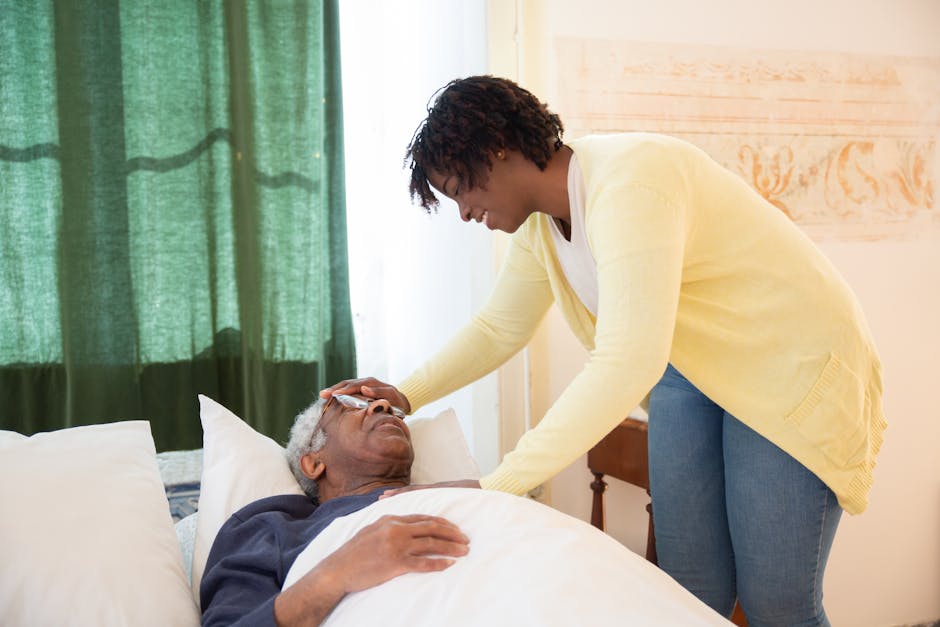
Many families make a silent promise never to move a parent into a residential community. But as dementia progresses, the home environment can become less safe, and the demands of care can outgrow what visiting aides and adult children can provide.
Recognizing that home care is no longer sufficient is not a failure—it is an act of love that prioritizes your parent’s safety and emotional health.
Safety Concerns, Wandering, and Medical Complexities
Specific clinical and behavioral indicators suggest it is time to consider around-the-clock memory care:
- Sundowning and Sleep Disturbances: Intense agitation, pacing, and paranoia in late afternoon or through the night can leave caregivers sleep-deprived and seniors at severe risk of nighttime falls.
- Elopement Attempts: If a parent walks out of the house unnoticed or repeatedly tries to “go home” when they are already standing in their living room, secure perimeter living becomes essential.
- Nutritional and Hygiene Decline: Weight loss, dehydration, and persistent refusal to change clothes or bathe often signal that a senior requires structured, non-confrontational daily assistance.
- Medication Errors: Double-dosing or missing vital prescriptions due to memory loss can lead to emergency room visits.
- Caregiver Health Breakdown: When family members experience high blood pressure, depression, anxiety, or physical injuries from lifting, the current care model is no longer sustainable.
Structuring Daily Life: When Memory Care Home Care Is No Longer Enough
Dementia diminishes the brain’s ability to self-structure time. At home, long stretches of unoccupied time can lead to apathy, agitation, or repetitive behaviors.
Dedicated memory care solves this through purposeful, continuous routines. Purpose-built environments integrate therapeutic activities for seniors with memory loss throughout the day—ranging from art and music therapy to baking groups and gentle movement classes. These programs stimulate cognitive pathways, reduce anxiety, and foster a comforting sense of purpose.
Modern Features in Residential Memory Care: Safety, Design, and Technology
Modern memory care communities are thoughtfully designed around the cognitive and physical needs of residents. Rather than feeling institutional, contemporary settings blend warm, boutique environments with subtle, advanced safety features.
Architecture plays a direct role in reducing dementia-related anxiety:
- Circular, Continuous Hallways: Eliminate frustrating dead ends, allowing residents to walk safely without feeling trapped.
- Visual Cues and Color Contrasts: High-contrast bathroom doors and personalized memory shadow boxes outside private suites help residents navigate independently.
- Secure Outdoor Courtyards: Enclosed gardens with flat walking paths allow residents to enjoy sunshine and fresh air safely.
Passive Wellness Monitoring and Emergency Preparedness
Cutting-edge communities now use non-invasive technology to protect residents while respecting their dignity and privacy.
Passive wellness monitoring systems (such as Amba Smart sensor technology) track movement and sleep patterns continuously without requiring wearable pendants—which residents with dementia often remove—or invasive cameras. These systems detect changes in baseline routines, alert team members immediately if a resident gets out of bed unusually often, and allow for rapid assistance during falls or medical emergencies.
Additionally, purpose-built communities are constructed with emergency backup power, medical oxygen access, and comprehensive storm and crisis protocols to maintain safety and comfort through any regional power outage or emergency.
The Advantage of 100% Dedicated Memory Care Communities
When touring options, families often encounter two formats: a general assisted living facility with a secured memory care “wing,” or a 100% dedicated memory care community.
A standalone, fully dedicated community offers distinct advantages:
- Comprehensive Staff Training: Every team member—from culinary staff to housekeepers—is trained in dementia communication, redirection, and behavioral support.
- Tailored Staffing Ratios: Specialized communities maintain lower resident-to-staff ratios, such as 8:1 or better, ensuring attentive, unhurried care. You can learn more by demystifying memory care staffing ratios to see how staffing levels impact daily resident attention.
- Dementia-Friendly Culinary Experiences: Dining is designed around sensory cues, simple menu selections, and dignified finger-food alternatives for those who find utensils challenging. At Villa Toscana Memory Care in Mountain View, CA, our partnership with Giorgio’s Italian Grill delivers delicious, freshly prepared meals tailored to individual dietary and cognitive needs in an inviting, family-like dining room.
Frequently Asked Questions About Memory Care and In-Home Services
How does passive wellness monitoring protect memory care residents?
Passive wellness monitoring uses non-camera smart sensors placed strategically around a resident’s suite to learn their daily movement patterns. If a resident steps out of bed in the middle of the night, stays in the bathroom longer than normal, or shows sudden changes in mobility, staff receive an immediate alert. This provides rapid safety responses without invading personal privacy or relying on wearable emergency buttons that memory-impaired seniors often misplace.
What should families ask when interviewing in-home dementia caregivers?
Ask direct, experience-based questions:
- What specific certifications or training do you have in Alzheimer’s and dementia care?
- How do you handle agitation, paranoia, or sundowning symptoms?
- What is your protocol if my parent refuses food, bathing, or medication?
- Are you CPR-certified, and how do you respond in a medical emergency?
- What backup coverage is in place if you are sick or unavailable?
How do we manage caregiver guilt when moving a parent from home care?
Guilt is one of the most common emotions families face during this transition. It helps to remember that moving a parent to a specialized community is not giving up on them—it is providing them with a team of trained professionals in an environment designed specifically for their needs.
By stepping back from the exhausting role of primary caregiver, you can focus once again on simply being a loving daughter, son, or spouse. Most residents adjust to their new routine within three to four weeks as predictable daily rhythms and social connections take hold.
Conclusion: Making the Right Choice for Your Loved One
Deciding between in-home care and a dedicated residential community is rarely a single, permanent choice. Many families begin with home care and naturally transition to residential care as their parent’s cognitive and physical needs advance.
The best solution is the one that preserves your parent’s safety, dignity, and joy while ensuring your family remains emotionally healthy and supported.
At Villa Toscana Memory Care, our boutique, family-owned community in Mountain View, CA, offers 24-hour trained staff, innovative architectural design, and an exclusive dining partnership with Giorgio’s Italian Grill. We are here to help your family navigate this journey with warmth and clarity.
Ready to explore the best path forward for your parent? Contact Villa Toscana Memory Care today to schedule a private tour, speak with our memory care team, and see how our community can bring peace of mind to your family.