
Understanding Cognitive Decline: PTSD, TBI, and Veteran Risks
Dementia care for veterans encompasses an integrated continuum of long-term support, ranging from in-home skilled aides, Home-Based Primary Care, and Adult Day Health Care to residential Community Living Centers and State Veterans Homes. Backed by VA financial pensions like Aid and Attendance and caregiver stipends, these programs help families secure safe, specialized memory support.
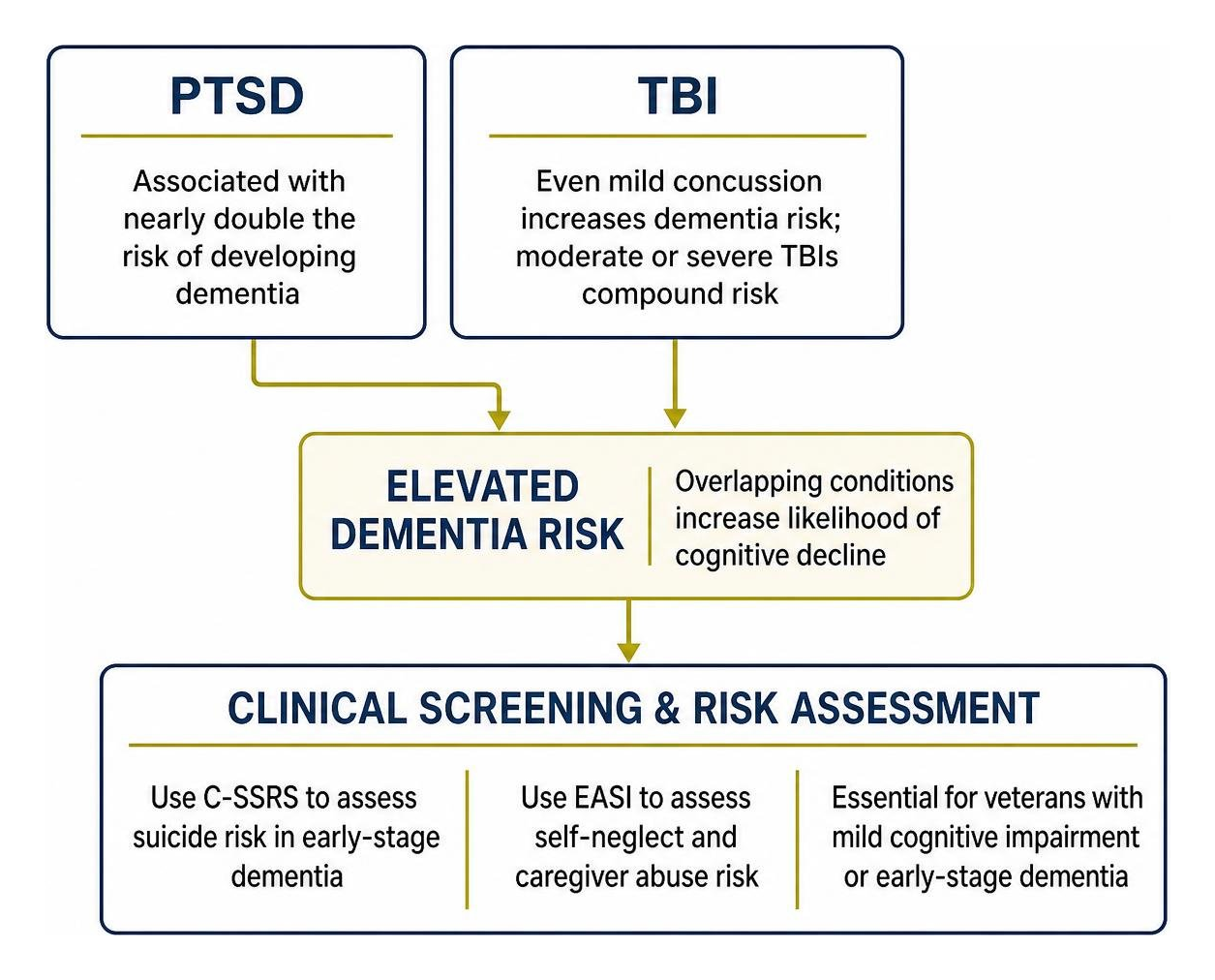
Navigating these options begins with recognizing that veterans face unique clinical profiles. Military service exposes individuals to physical and emotional stressors that significantly alter long-term brain health. Studies show that veterans living with post-traumatic stress disorder (PTSD) face nearly double the risk of developing dementia compared to those without PTSD. Traumatic brain injury (TBI)—even a mild concussion sustained decades earlier during active duty—also sharply elevates the risk of cognitive decline in later life. When moderate or severe TBIs occur, these neurological risks compound further.
These overlapping conditions create distinct clinical patterns. A veteran experiencing cognitive decline might display severe anxiety, hypervigilance, night terrors, or sudden personality shifts that stem directly from organic brain changes rather than intentional uncooperativeness.
Moreover, veterans diagnosed with mild cognitive impairment or early-stage dementia face heightened psychological vulnerability. Recent studies indicate that veterans in the early stages of a dementia diagnosis have an increased risk of suicide. Clinical providers utilize screening frameworks like the Columbia-Suicide Severity Rating Scale (C-SSRS) and the Elder Abuse Suspicion Index (EASI) because individuals with neurocognitive disorders are also at greater risk for self-neglect and caregiver abuse.
For detailed clinical guidance on managing these complex intersections, families and providers can review the VA Dementia Care Resource Guide. If a veteran ever expresses feelings of hopelessness, help is available immediately by dialing 988 (press 1).
VA Programs and Dementia Care for Veterans Across Long-Term Settings
Navigating the Veterans Health Administration (VHA) begins with understanding how clinical services are coordinated. Rather than offering a single catch-all program, the VA provides an integrated continuum of long-term care tailored to clinical necessity and enrollment priority groups.
Accessing Comprehensive Dementia Care for Veterans Through the VA Health System
Enrolling in VA health care opens doors to various supportive therapies and home-based services designed to keep veterans in familiar surroundings for as long as possible. A primary care provider or VA social worker can authorize:
- Home-Based Primary Care (HBPC): Interdisciplinary medical teams (physicians, nurses, physical therapists, and social workers) deliver primary medical care directly in the home for veterans with complex, chronic disabling conditions.
- Homemaker and Home Health Aide Care: Trained aides visit the residence to assist with personal care tasks, such as bathing, dressing, and meal setup, giving primary family caregivers crucial hours to rest.
- Adult Day Health Care (ADHC): Community-based day programs provide social engagement, physical activities, and medical monitoring during business hours, allowing family members to work or attend to personal matters.
- Occupational and Speech Therapy: Specialists evaluate the living environment, suggest adaptive equipment, and introduce cognitive exercises to preserve functional independence.
Utilizing these resources allows family caregivers to maintain balance and avoid physical exhaustion. Stepping away for a few hours helps you recharge your energy while ensuring safe care for your loved one. You can read comprehensive details about clinical services on the VA’s official Dementia Care (including Alzheimer’s Disease) – Geriatrics and Extended Care portal.
Respite Care, Community Living Centers, and State Veterans Homes
As cognitive conditions progress, continuous in-home supervision can outpace what a family can safely provide. The VA coordinates several residential and short-term relief options:
- VA Respite Care: The VA funds temporary care—typically up to 30 days per calendar year—in adult day centers, contracted assisted living facilities, or VA nursing facilities. To plan ahead, review everything families need to know about short-term respite care to understand admission coordination and stay limits.
- Community Living Centers (CLCs): Formerly known as VA nursing homes, these VA-operated skilled facilities feature specialized memory care neighborhoods. Many CLCs operate under culture-change principles like the Eden Alternative, which emphasizes deinstitutionalized, home-like environments, pet therapy, secure outdoor courtyards, and flexible dining routines.
- State Veterans Homes: Owned and operated by individual state governments but inspected and recognized by the VA, these homes offer skilled nursing and secured memory care. Admission requirements and co-pays vary by state, though veterans with a service-connected disability rating of 70% or higher often receive nursing home care fully covered.
VA Financial Benefits: Aid and Attendance and Caregiver Stipends in 2026
The cost of long-term memory support can strain family finances. Fortunately, the Veterans Benefits Administration (VBA) offers tax-free monthly pensions that significantly offset the price of in-home aides, adult day care, and residential memory care communities.
The VA Aid & Attendance benefit is an enhanced pension added to the basic non-service-connected wartime pension. It is specifically designed for veterans and surviving spouses who require the regular assistance of another person for daily living activities or safety supervision.
Importantly, cognitive impairment alone satisfies the medical criteria for Aid & Attendance. A veteran does not need to be physically bedridden; if Alzheimer’s or another dementia requires custodial care—such as reminders to eat, assistance with dressing, medication management, or continuous supervision to prevent wandering—they meet the clinical standard.
For 2026, the maximum annual and monthly tax-free Aid & Attendance pension amounts are:
| Marital / Beneficiary Status | Maximum Monthly Benefit (2026) | Maximum Annual Benefit (2026) |
|---|---|---|
| Single Veteran | $2,424 | $29,093 |
| Married Veteran (One Dependent) | $2,874 | $34,489 |
| Surviving Spouse | $1,558 | $18,694 |
| Two Married Veterans (Both Qualifying) | $3,845 | $46,140 |
To qualify financially, the claimant’s net worth must fall below the established limit ($163,699 in 2026). However, the VA subtracts unreimbursed medical and custodial care expenses—such as private caregiver fees, adult day care tuition, and memory care facility costs—from countable income, enabling many families above the income threshold to qualify.
Veteran-Directed Care and Paid Family Caregiving
Beyond traditional pensions, the VA provides innovative pathways that allow family members to receive payment for their caregiving services:
- Veteran-Directed Care (VDC): This program provides eligible veterans with a flexible monthly budget to purchase their own personal care services. Under the guidance of an options counselor, the veteran (or their legal representative) acts as the employer and can hire, schedule, and pay personal care aides, including adult children, relatives, and trusted friends.
- Program of Comprehensive Assistance for Family Caregivers (PCAFC): Available to veterans with a serious service-connected disability rating (individually or combined at 70% or higher), PCAFC offers an approved primary caregiver a monthly financial stipend, health insurance coverage (if eligible), mental health counseling, and dedicated respite services.
Understanding your funding options prevents unexpected financial strain when exploring private memory communities or breaking down the true cost of short-term respite care.
Safety Protocols and Behavioral Support for Families
Caring for someone experiencing memory loss involves adapting to unpredictable changes in communication, mood, and daily habits.
Overcoming Unique Daily Challenges in Dementia Care for Veterans
Dementia-related behaviors are forms of communication reflecting unmet needs, sensory overload, or physical distress. When responding to agitation, resistance to bathing, or wandering, clinical best practices emphasize non-pharmacological interventions before turning to sedative medications:
- De-Escalation and Validation: Avoid arguing, correcting, or attempting to use logic when a veteran expresses confusion or past military distress. Instead, step into their reality, validate their feelings, and gently redirect their attention with comforting topics or favorite music.
- Bathing Strategies: Resistance to personal hygiene often stems from feeling vulnerable, cold, or modesty-threatened. Keep the bathroom warm, use large bath towels for privacy, play calming music, and consider gentle sponge baths instead of forced showers.
- Ruling Out Medical Triggers: Sudden spikes in confusion or combativeness often indicate underlying physical discomfort, such as urinary tract infections (UTIs), constipation, pain, or medication interactions.
Caregivers can consult the clinical guide on Management of Dementia Related Behaviors and practical strategies outlined in the Caregiving Tips – Dementia – VA Caregiver Support Program. Connecting with peer networks also offers dementia care support practical paths to relieve caregiver burden during demanding stages.
Crucial Safety Interventions: Driving, Wandering, and Firearm Storage
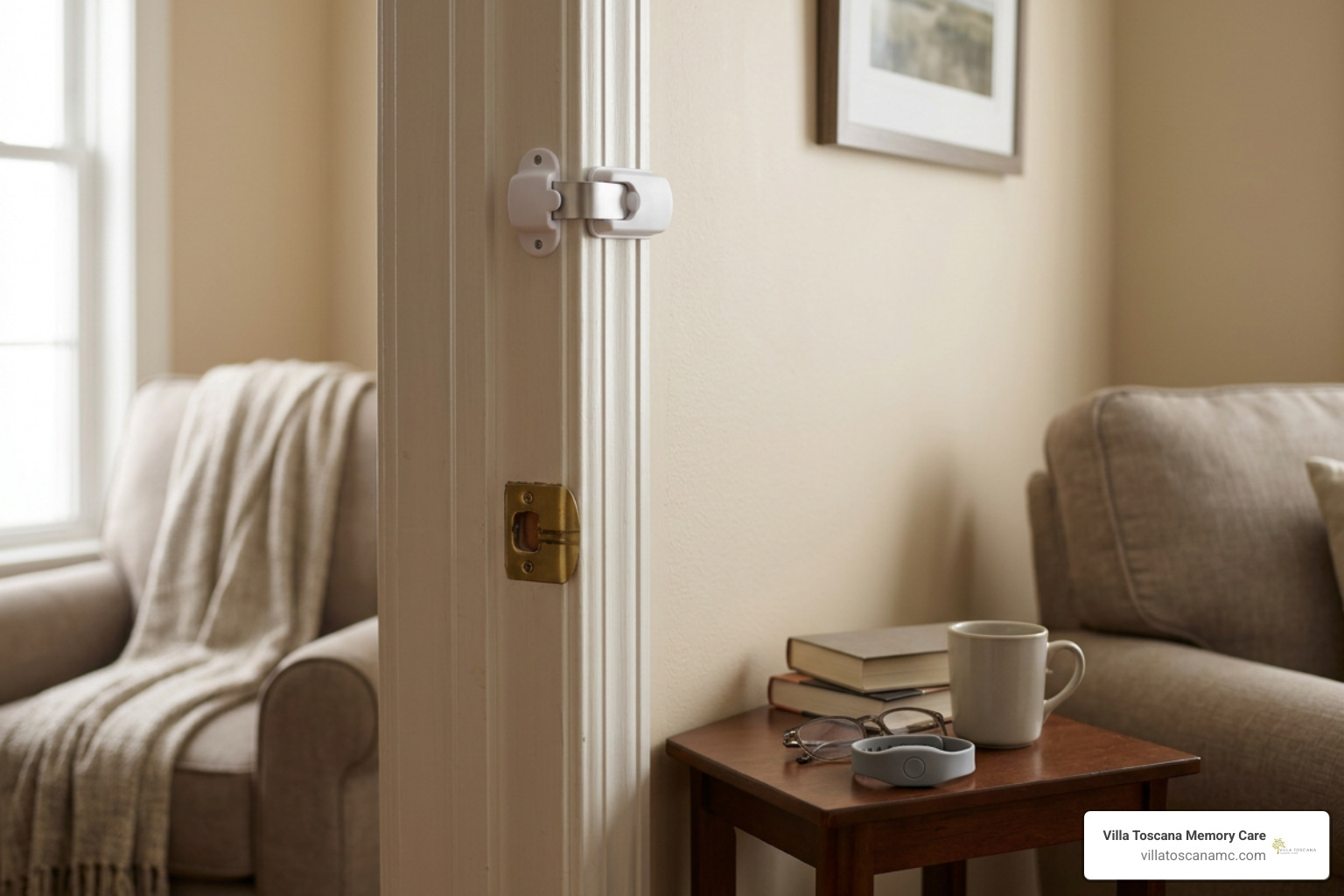
Safety planning is essential for every household managing cognitive decline:
- Firearm Security: Many veterans hold a deep, lifelong comfort with firearms. However, as progressive memory loss impairs judgment, situational awareness, and impulse control, unsecured firearms present severe hazards. Families should proactively lock firearms in secure safes, store ammunition separately, use trigger locks, or temporarily transfer custody to a trusted relative.
- Wandering Prevention: Unsafe wandering can occur at any stage. Install discrete door locks out of direct eye level, utilize pressure-sensitive floor mats, place GPS tracking soles or wristbands on the veteran, and enroll in community alert programs such as MedicAlert with 24/7 Wandering Support.
- Driving Safety: Navigating complex traffic requires rapid decision-making and spatial awareness. Request a comprehensive driver assessment through a VA occupational therapist to make an objective, compassionate transition away from driving before accidents occur.
Step-by-Step Guide to Applying for VA Dementia Benefits
Securing VA benefits requires careful preparation and organized documentation.
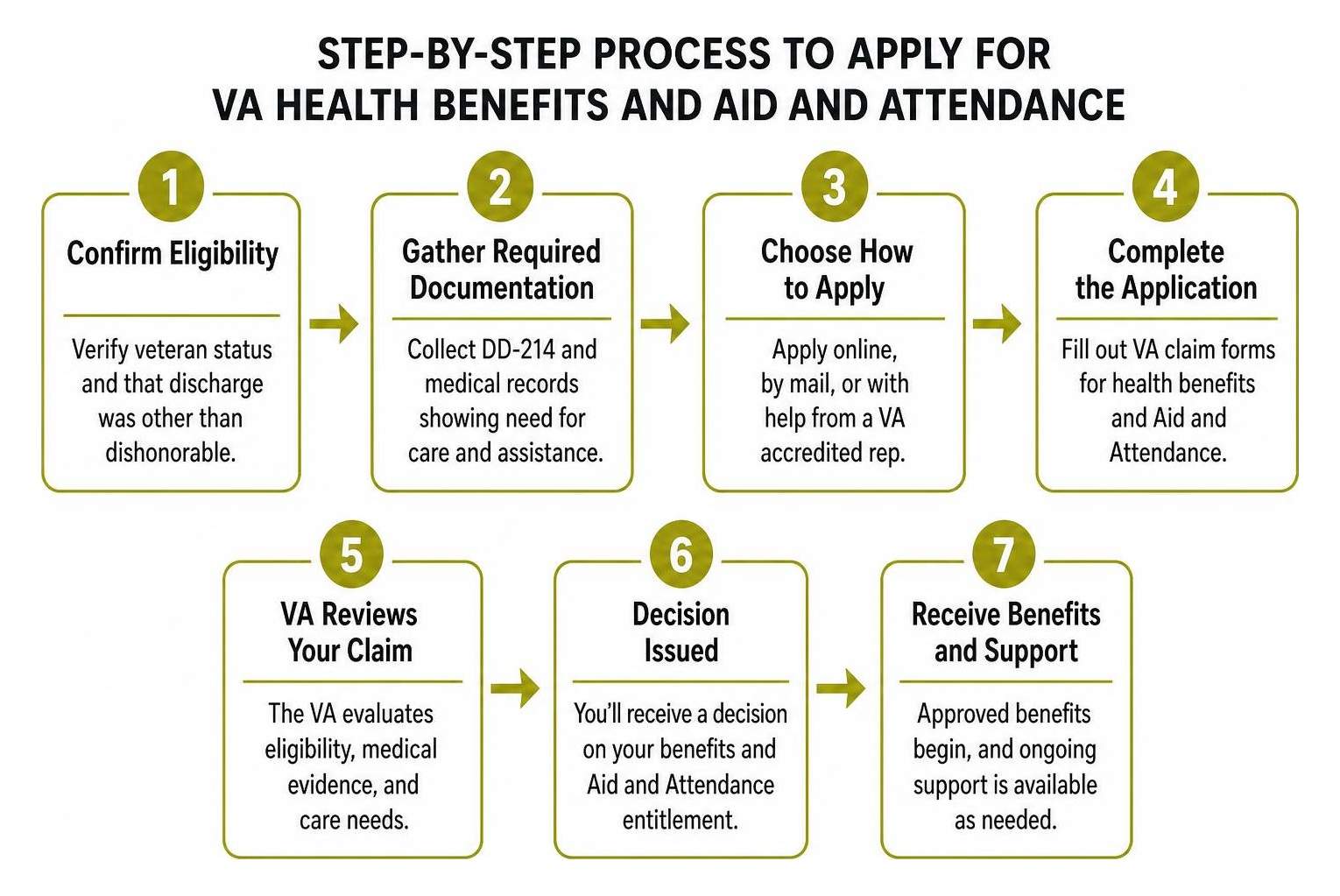
Required Documentation and Application Channels
To streamline your claim, assemble your records before filing:
- Discharge Documentation: A copy of the veteran’s DD-214 or official separation paperwork showing active-duty dates and character of discharge (must be other than dishonorable).
- Medical Certification (VA Form 21-2680): Completed by the veteran’s treating physician, detailing the diagnosis, functional limitations, and the specific daily activities requiring physical assistance or protective supervision.
- Formal Pension Claim (VA Form 21P-527EZ): The primary application for veterans pension benefits (or Form 21P-534EZ for surviving spouses).
- Care Expense Statements: Written documentation detailing recurring monthly custodial care expenses paid to in-home care agencies, adult day centers, or licensed memory care facilities.
- Financial Statements: Documentation of household income, bank accounts, investments, and assets to establish financial eligibility.
Families can submit applications online via VA.gov, mail paperwork directly to the local VA Pension Management Center, or work directly with an accredited Veterans Service Officer (VSO) from organizations like the American Legion, VFW, or DAV for free claim assistance.
Frequently Asked Questions About Veteran Memory Support
Does a veteran need combat service or a service-connected disability to receive VA dementia benefits?
No. General VA health care enrollment and the Aid & Attendance pension do not require combat experience or a service-connected disability rating. For the pension, the veteran must simply have served at least 90 days of active duty with at least one day during a federally recognized wartime period (such as WWII, Korea, Vietnam, or the Gulf War) and have received an other-than-dishonorable discharge.
Can family members be paid to care for a veteran with dementia?
Yes. Through the Veteran-Directed Care (VDC) program, eligible veterans can hire family members (such as adult children or siblings) as paid in-home caregivers. Additionally, if the veteran qualifies for the VA’s PCAFC program based on a 70%+ service-connected disability, an approved primary family caregiver can receive a monthly stipend directly from the VA.
How does cognitive impairment qualify a veteran for Aid and Attendance without physical disability?
The VA recognizes that cognitive impairment from Alzheimer’s disease or related dementias often requires regular custodial care and 24-hour supervision to protect the individual from daily hazards. Even if a veteran can walk and feed themselves, the inability to manage medications, dress appropriately without prompting, or stay safe unattended satisfies the medical criteria for Aid & Attendance.
Conclusion
Caring for a veteran with memory loss is a journey that no family should walk alone. From in-home health aides and adaptive therapies to specialized residential memory care, matching the right resources to your loved one’s needs ensures safety, dignity, and peace of mind.
At Villa Toscana Memory Care, we honor the service and dedication of our nation’s veterans. Our specialized community offers 24-hour trained care, personalized cognitive wellness programs, and culinary dining in a secure, comfortable setting. Connect with our dedicated team today to learn how we can help your family navigate memory care options, community resources, and long-term support.