
Signs It Is Time to Transition to Residential Dementia Care
Recognizing the turning point in a loved one’s dementia journey is one of the hardest moments a family can face. In the early stages, subtle memory lapses are often manageable. Over time, progressive cognitive decline introduces critical safety risks that standard home routines cannot handle.
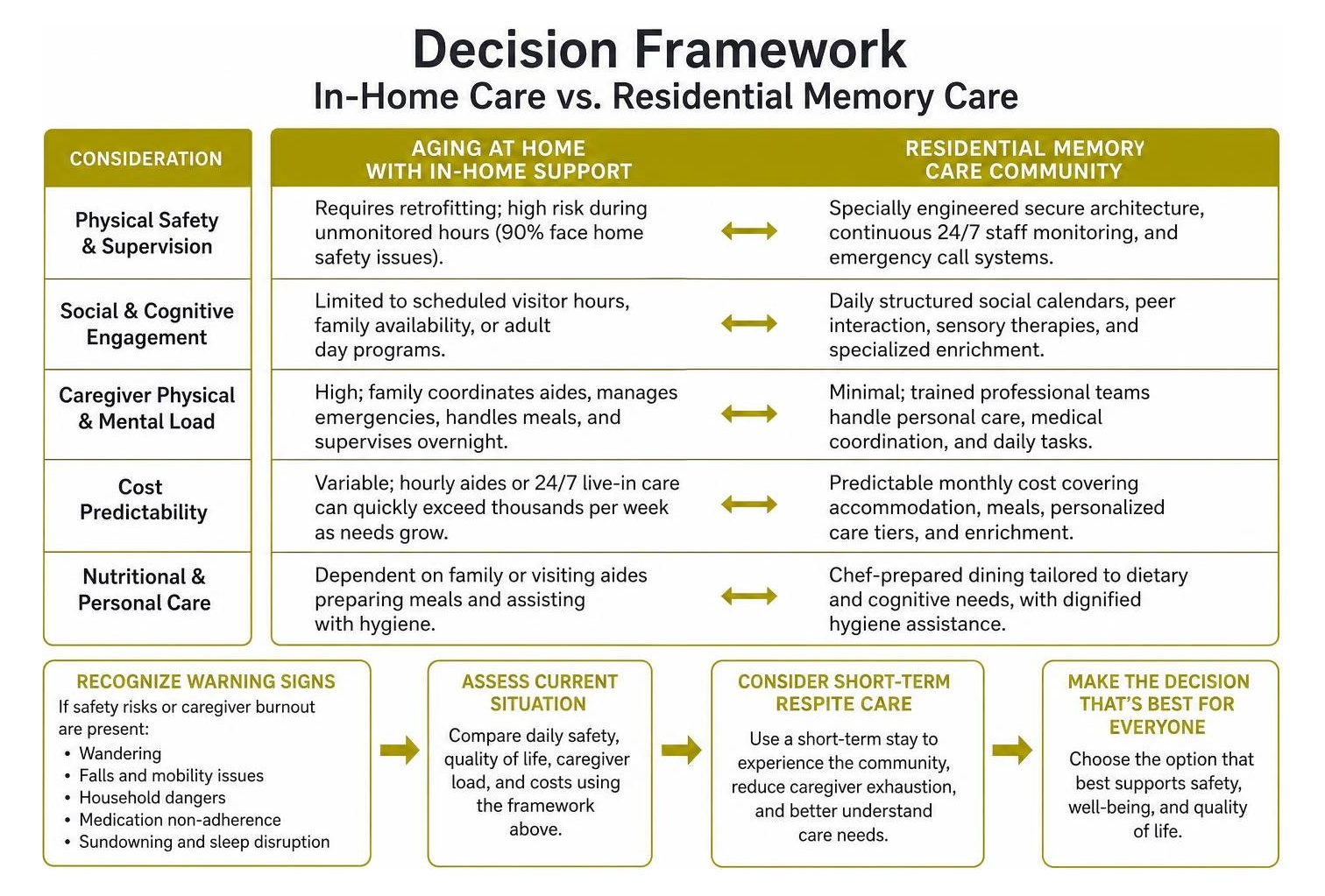
Safety hazards are often the primary catalyst for a transition. Research shows that roughly 90% of people with dementia living in home settings face unaddressed safety challenges. Common concerns include:
- Wandering and Elopement: Walking out of the house disoriented, unable to recall an address, or getting lost in familiar neighborhoods.
- Fall Hazards and Mobility Issues: Balance issues paired with poor judgment, such as attempting stairs unassisted or forgetting to use a walker.
- Unmanaged Household Dangers: Leaving burners or ovens on, misplacing household chemicals, or forgetting running water taps.
- Medication Non-Adherence: Forgetting essential daily doses, taking double doses, or refusing vital prescriptions.
- Sundowning and Sleep Disruption: Severe late-afternoon agitation, confusion, pacing, and nighttime wakefulness that create round-the-clock hazards.
When these behaviors occur, family members often find themselves functioning as 24-hour security guards rather than loved ones. This intense vigilance leads directly to severe caregiver burnout, emotional depletion, and physical illness. Utilizing dedicated dementia care support to relieve caregiver burden can help families determine whether home modifications are still enough or if residential care has become necessary for everyone’s well-being.
Comparing Aging at Home vs. Residential Memory Care Options
Choosing between home-based support and a dedicated care community requires weighing daily safety, quality of life, and practical logistics. While staying at home offers comfort and familiar surroundings, it can inadvertently lead to social isolation and immense physical strain on family caregivers as care needs escalate.
| Consideration | Aging at Home with In-Home Support | Residential Memory Care Community |
|---|---|---|
| Physical Safety & Supervision | Requires retrofitting; high risk during unmonitored hours (90% face home safety issues). | Specially engineered secure architecture, continuous 24/7 staff monitoring, and emergency call systems. |
| Social & Cognitive Engagement | Limited to scheduled visitor hours, family availability, or adult day programs. | Daily structured social calendars, peer interaction, sensory therapies, and specialized enrichment. |
| Caregiver Physical & Mental Load | High; family coordinates aides, manages emergencies, handles meals, and supervises overnight. | Minimal; trained professional teams handle personal care, medical coordination, and daily tasks. |
| Cost Predictability | Variable; hourly aides or 24/7 live-in care can quickly exceed thousands per week as needs grow. | Predictable monthly cost covering accommodation, meals, personalized care tiers, and enrichment. |
| Nutritional & Personal Care | Dependent on family or visiting aides preparing meals and assisting with hygiene. | Chef-prepared dining tailored to dietary and cognitive needs, with dignified hygiene assistance. |
Utilizing Short-Term Relief During the Decision Process
When families are unsure about a permanent move or are experiencing acute exhaustion, short-term options provide breathing room. Taking advantage of short-term respite care allows family caregivers to step back, recharge, and address their own health.
Respite stays also serve as an effective trial period. A temporary stay enables your loved one to experience the daily routines, dining, and social activities of a specialized community without an immediate long-term commitment. It gives staff a chance to assess individual needs and shows families how professional support can improve their loved one’s daily life.
Types of Long-Term Residential Care Facilities for Dementia
Not all residential settings provide the same level of support. Understanding the distinctions between senior living options ensures your family selects a setting that matches the progression of Alzheimer’s disease.
Memory Care Environments vs. Traditional Senior Housing
Standard assisted living communities cater to seniors who require minor help with daily activities like dressing or medication reminders, but who retain cognitive awareness and personal safety judgment. These settings typically feature open exits, large layouts that can confuse someone with memory loss, and staff with general caregiving training.
In contrast, dedicated memory care residences operate under specialized licensing requirements. They feature secure perimeters, keypad-protected entrances and exits, and higher staff-to-resident ratios. The care team receives comprehensive training in behavioral de-escalation, redirection, non-verbal communication, and sundowning management. This specialized design ensures residents can move freely without risk of wandering into unsafe areas.
Specialized Residential Care Environments
High-quality dementia environments move beyond basic physical security by incorporating intentional, therapeutic architecture:
- Architectural Wayfinding: Visual cues, distinct color-coded hallways, and memory boxes outside suites help residents navigate independently and reduce anxiety.
- Circular Walking Paths: Continuous indoor and outdoor pathways allow residents to walk and explore freely without encountering frustrating dead ends or locked barriers.
- Secure Outdoor Courtyards: Enclosed sensory gardens allow residents to enjoy fresh air, sunshine, and nature safely.
- Sensory Lighting: Lighting designed to mimic natural circadian rhythms helps minimize late-day confusion and promotes healthy sleep cycles.
According to guidance from the Alzheimer’s Association, intentional architecture and person-centered nursing support create comfortable, home-like environments that foster dignity and well-being for individuals navigating cognitive decline.
Evaluating an Alzheimer’s Care Home: Quality, Safety, and Specialized Services
Selecting the right care community involves evaluating clinical capabilities, environmental safety, and the warmth of daily interactions.
Specialized Programming and Cognitive Engagement
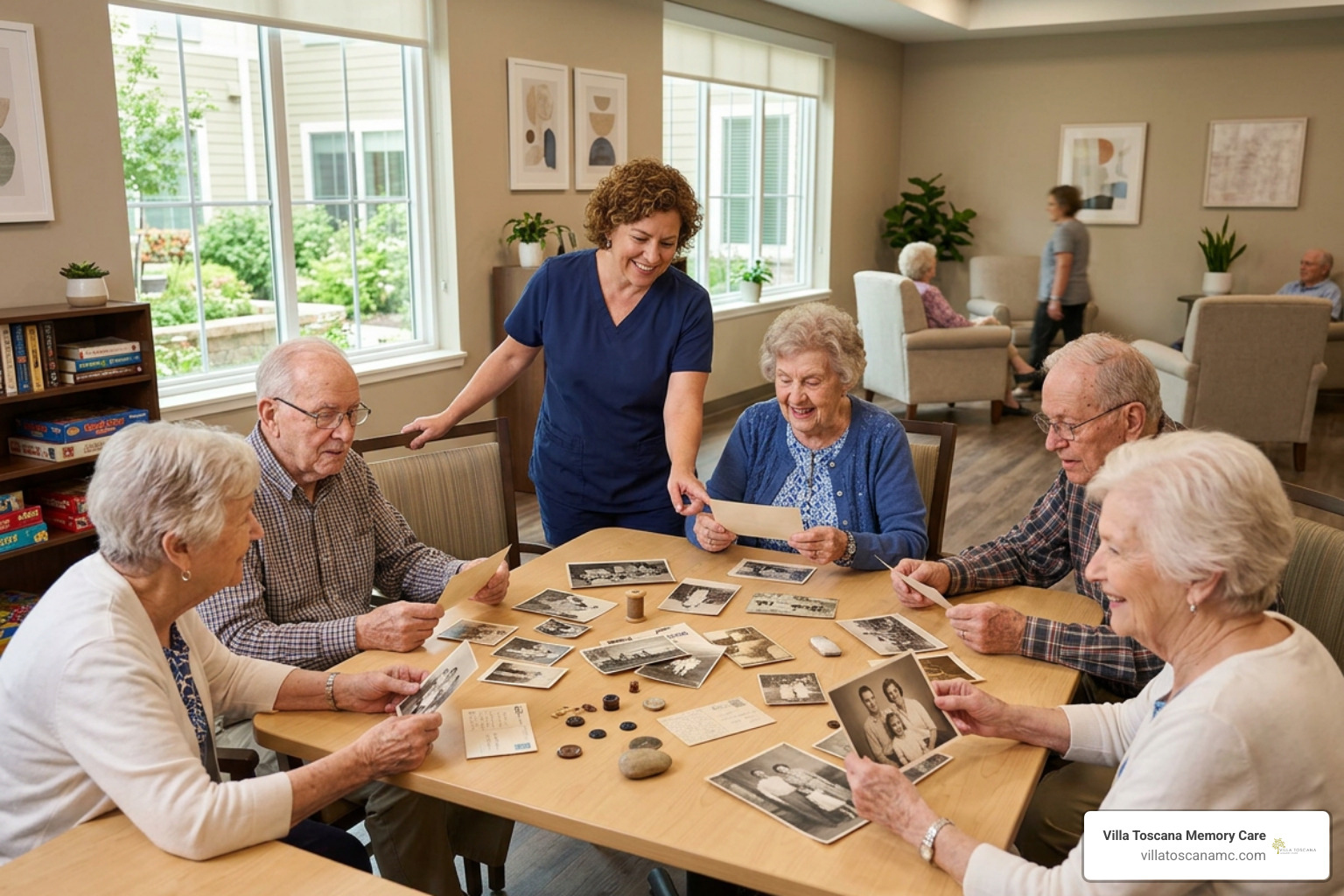
Quality memory care focuses on what residents can do rather than what they have lost. Meaningful engagement stimulates neural pathways, elevates mood, and reduces agitation. Look for communities that offer structured, evidence-based activities tailored to varying stages of memory loss:
- Reminiscence and Life-Story Therapy: Using music, familiar items, and photographs to spark positive memories and encourage conversation.
- Sensory and Art Enrichment: Tactile crafts, aromatherapy, and gardening that engage multiple senses without causing cognitive fatigue.
- Music and Rhythmic Movement: Gentle exercise, seated dancing, and personalized playlists that stimulate recall and reduce anxiety.
Incorporating stimulating activities for memory loss into each day provides structure, supports cognitive function, and brings moments of joy to daily living.
Essential Questions to Ask an Alzheimer’s Care Home During Tours
When visiting prospective communities, look past surface aesthetics and observe the interactions between staff and residents. Visit during mealtimes or unannounced in the late afternoon to see how team members manage busy periods.
Use this checklist during your visits:
- Staff Training and Retention: What specific dementia care certifications do staff members hold? What is the average staff tenure, and what are the day and night staffing ratios?
- Medical and Medication Management: Is a licensed nurse on-site 24/7 or on call? How are medication changes, physician visits, and emergency transfers handled?
- Behavioral Support: How does the team support a resident who becomes agitated, fearful, or resistant to bathing without resorting to unnecessary medications?
- Dining and Nutrition: How are meals tailored for individuals with chewing, swallowing, or dexterity challenges? Are nutritious finger foods and hydration stations available throughout the day?
- Outdoor Safety: Are outdoor courtyards fully secured, level, and accessible to residents without needing special staff accompaniment?
- Fee Transparency: What services are included in the base monthly rate, and what specific care needs trigger higher pricing tiers?
Financial Planning, Care Costs, and Payment Options
Planning for residential memory care requires a clear understanding of fee structures and potential funding sources.

Memory care communities generally charge a monthly base fee covering room, board, dining, utilities, housekeeping, and core activities. Additional assistance—such as incontinence management, mobility support, or advanced medication administration—is typically billed through tiered levels of care determined by an initial and periodic clinical assessment.
Navigating Medicare, Medicaid, and Government Assistance
Paying for long-term dementia care often involves combining personal resources with specific public and private programs:
- Medicare Limitations: Medicare does not cover long-term residential room and board in assisted living or memory care settings. It only covers skilled medical care, physical therapy, and hospice services provided within the community when eligibility criteria are met.
- Medicaid and State Programs: Medicaid coverage for memory care varies by state. Some states offer Home and Community-Based Services (HCBS) waivers that help cover personal care services in licensed residential settings for individuals with limited assets.
- Veterans Aid and Attendance: Eligible wartime veterans and surviving spouses with memory loss may qualify for the Non-Service-Connected Aid and Attendance pension, which provides monthly tax-free funds to offset care costs.
- Long-Term Care Insurance: Policies with dementia coverage can help pay for residential care once the policyholder requires assistance with two or more Activities of Daily Living (ADLs) or requires supervision due to cognitive impairment.
How to Plan a Smooth Transition and Ease Moving Day
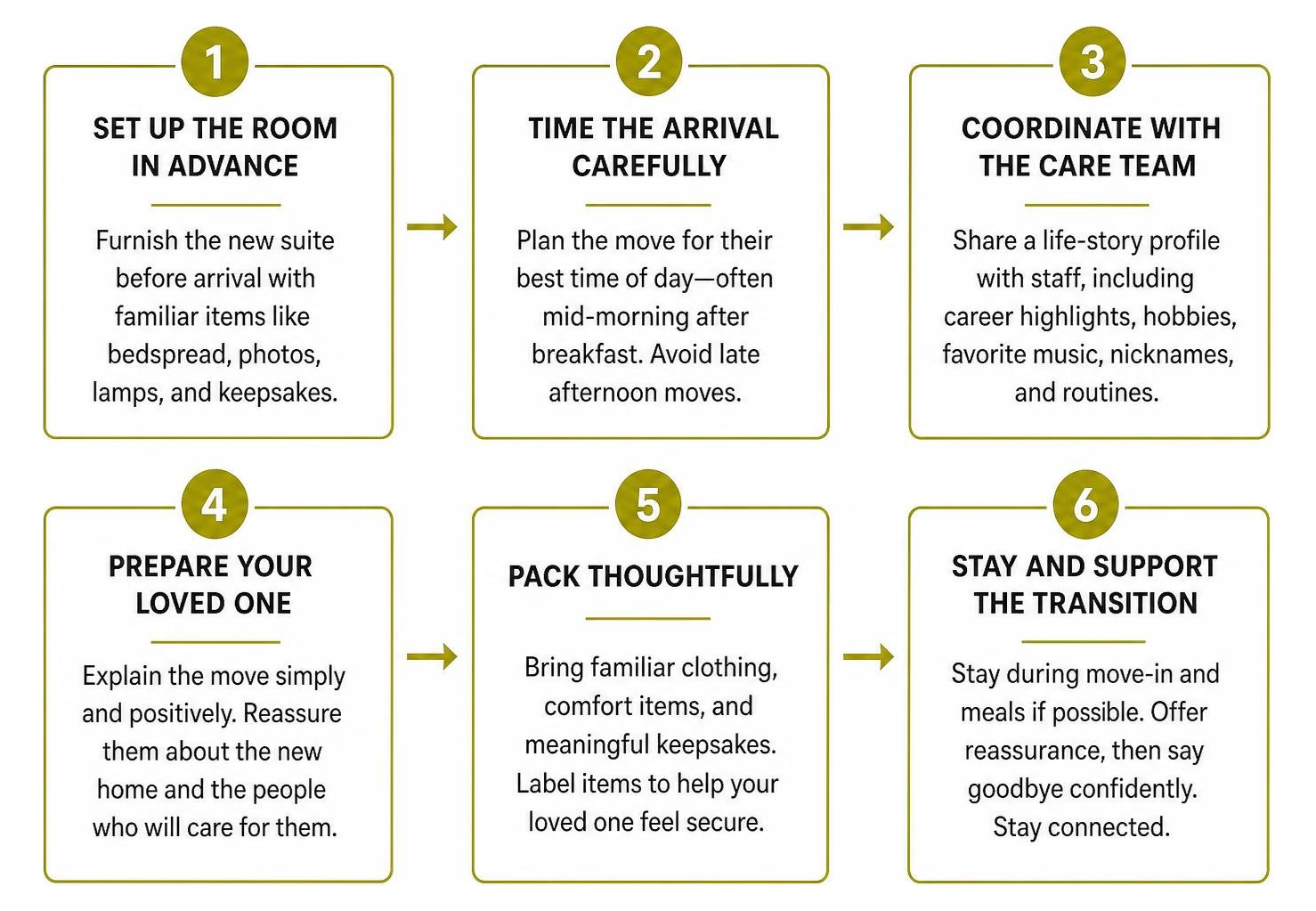
Moving a loved one with Alzheimer’s into a care community is an emotional milestone for the entire family. Careful preparation can help ease anxiety and make the transition smoother.
Preparing for Moving Day to an Alzheimer’s Care Home
- Set Up the Room in Advance: Furnish the new suite before your loved one arrives. Arrange their favorite bedspread, family photos, familiar lamps, and cherished keepsakes in locations similar to their previous bedroom to create an immediate sense of belonging.
- Time the Arrival Carefully: Plan the move for your loved one’s best time of day—often mid-morning after breakfast, when energy and clarity are highest. Avoid late afternoon moves when sundowning can increase disorientation.
- Coordinate with the Care Team: Share a personal life-story profile with the staff beforehand, including past career highlights, favorite music, hobbies, nicknames, and comforting routines. This helps staff connect with your loved one immediately.
- Keep Goodbyes Gentle and Calm: Lengthy, emotional departures can cause distress. Keep goodbyes warm, brief, and reassuring—such as letting them know you will see them soon while staff engages them in lunch or an activity.
- Allow Time for Adjustment: It is normal for new residents to experience an adjustment period of several weeks. Staying in close contact with the care team helps you monitor their progress as they settle into their new routine.
Frequently Asked Questions About Residential Memory Care
What is the primary difference between standard senior living and a specialized dementia facility?
Specialized memory care residences feature secured perimeters, structured daily routines, and architectural safety features designed to prevent wandering. The staff receives specialized training in dementia communication, behavioral redirection, and sensory support, maintaining higher staff-to-resident ratios than standard senior living communities.
How much does monthly residential memory care typically cost?
Monthly costs vary depending on geographic location, apartment style, and the required level of physical and medical assistance. Communities typically charge a base monthly rate covering housing, dining, and activities, with tiered care fees added based on individual support needs.
How can family members cope with guilt after placing a loved one?
Guilt is a common emotion for family caregivers. It helps to remember that transitioning to a specialized environment provides your loved one with professional safety, appropriate cognitive engagement, and dignified care that becomes difficult to sustain at home as the disease progresses. Stepping back from full-time caregiving allows you to focus on your relationship as a supportive family member.
Conclusion
Making the decision to move a family member into residential memory care is a profound act of love and protection. When home safety challenges, medical needs, and caregiver exhaustion grow, specialized residential settings provide the continuous structure and clinical support necessary for seniors with dementia to live safely and comfortably.
At Villa Toscana Memory Care, our family-owned community provides luxury-style, specialized support in an innovative, award-winning environment. With 24-hour trained staff, personalized wellness plans, enriching activities, and our on-site culinary partnership with Giorgio’s Italian Grill, we ensure your loved one receives exceptional care and dining in Mountain View, CA. If you are exploring options for your family, reach out to learn more about our expert residential memory care and schedule a visit today.