
Find a Memory Care Center Near Me That Fits Your Family
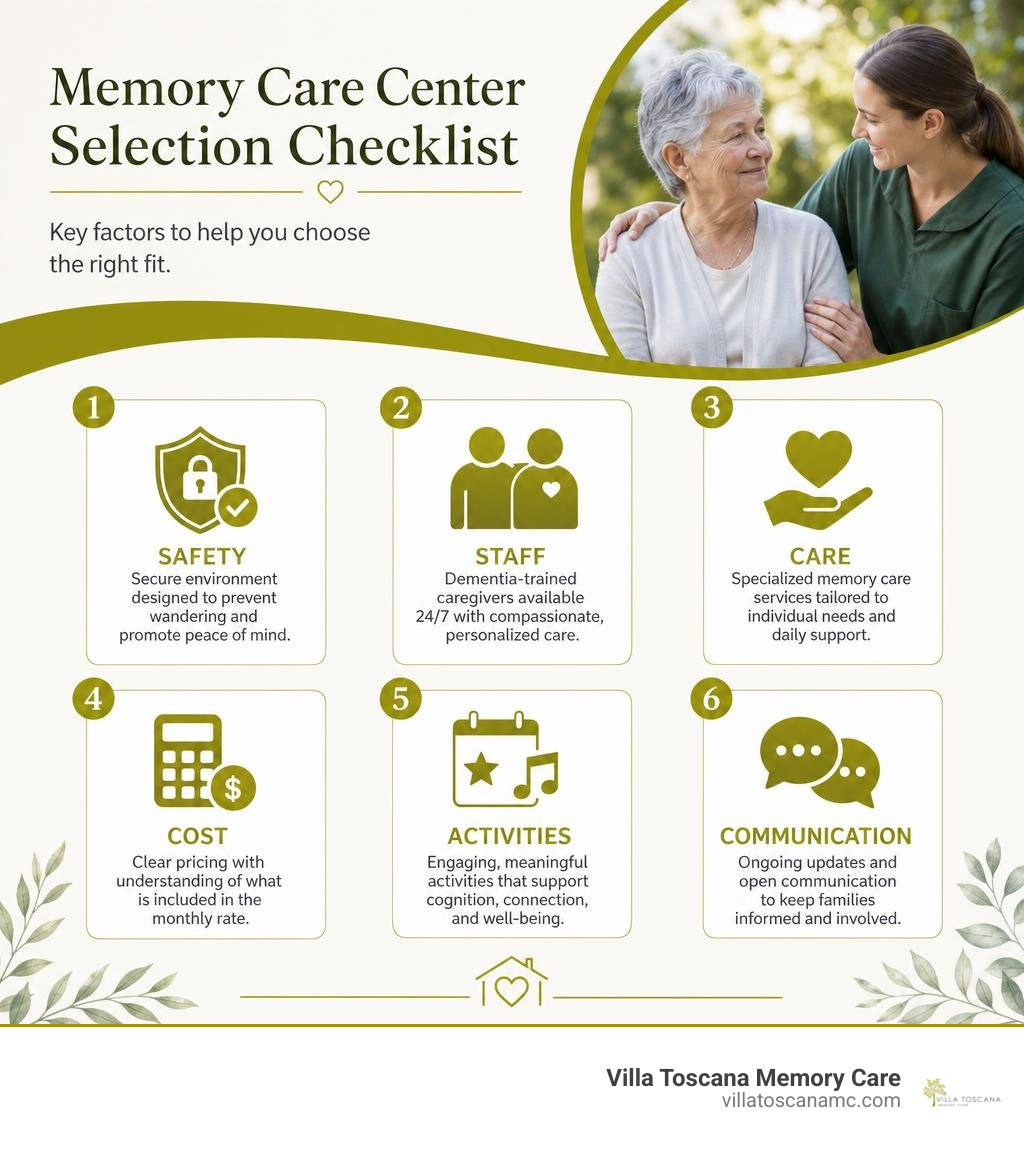
To find the right memory care center near me, start with licensed communities that provide 24-hour supervision, dementia-trained caregivers, secure spaces to reduce wandering risks, medication support, and daily activities designed for cognitive needs. Then tour your top choices and ask what is included in the monthly rate, how staff respond to emergencies, and how they keep families informed.
Memory care is more than assisted living with extra help. It is specialized residential care for people living with Alzheimer’s disease and other forms of dementia. The right community can offer a safer routine, meaningful engagement, and relief for family caregivers who can no longer manage every need at home.
This practical guide explains how to compare care levels, evaluate amenities and safety, understand costs, and plan a smoother move for your parent or loved one.
1. Understanding Care Levels: Memory Care vs. Assisted Living
When exploring residential care, families often ask whether standard assisted living will suffice or if dedicated memory support is necessary. While both options provide personal care assistance with activities of daily living (ADLs)—such as dressing, bathing, and mobility—they serve fundamentally different needs.
Assisted living is tailored for older adults who remain cognitively independent but benefit from physical support and community life. In contrast, memory care offers specialized environments built specifically for individuals navigating Alzheimer’s disease and other progressive dementias. These environments integrate around-the-clock supervision, secure interior and exterior boundaries, and specialized dementia care services that emphasize stability, cognitive preservation, and dignity.
| Service or Feature | Standard Assisted Living | Specialized Memory Care |
|---|---|---|
| Primary Focus | Physical assistance & social lifestyle | Cognitive support, safety, & structured routine |
| Building Security | Open access with standard security | Secure egress, wander management, & enclosed courtyards |
| Staff Training | General personal care & ADL assistance | Dementia-specific communication, de-escalation, & memory loss staging |
| Staff-to-Resident Ratio | Standard baseline (e.g., 1:8 to 1:15) | Higher staff density for hands-on, adaptive care |
| Activity Programming | Broad social, recreational, & fitness events | Purpose-built sensory, cognitive, and reminiscence therapy |
| Dining Support | Communal dining room with menu choices | Adaptive utensils, visual dining cues, and individualized meal assistance |
Memory Support vs. Traditional Assisted Living
The architectural and operational framework of memory care differs markedly from traditional senior living. Individuals experiencing cognitive impairment require a higher degree of visual cues, structured routines, and environmental predictability.
In memory care settings, corridors are intentionally designed without dead ends to prevent confusion and frustration. Outdoor access is entirely enclosed to protect residents while encouraging fresh air and mobility. Furthermore, team members undergo specialized training in dementia behaviors, enabling them to interpret nonverbal cues, manage sundowning symptoms, and redirect anxiety with patience and empathy.
When Standard Assisted Living Is No Longer Enough
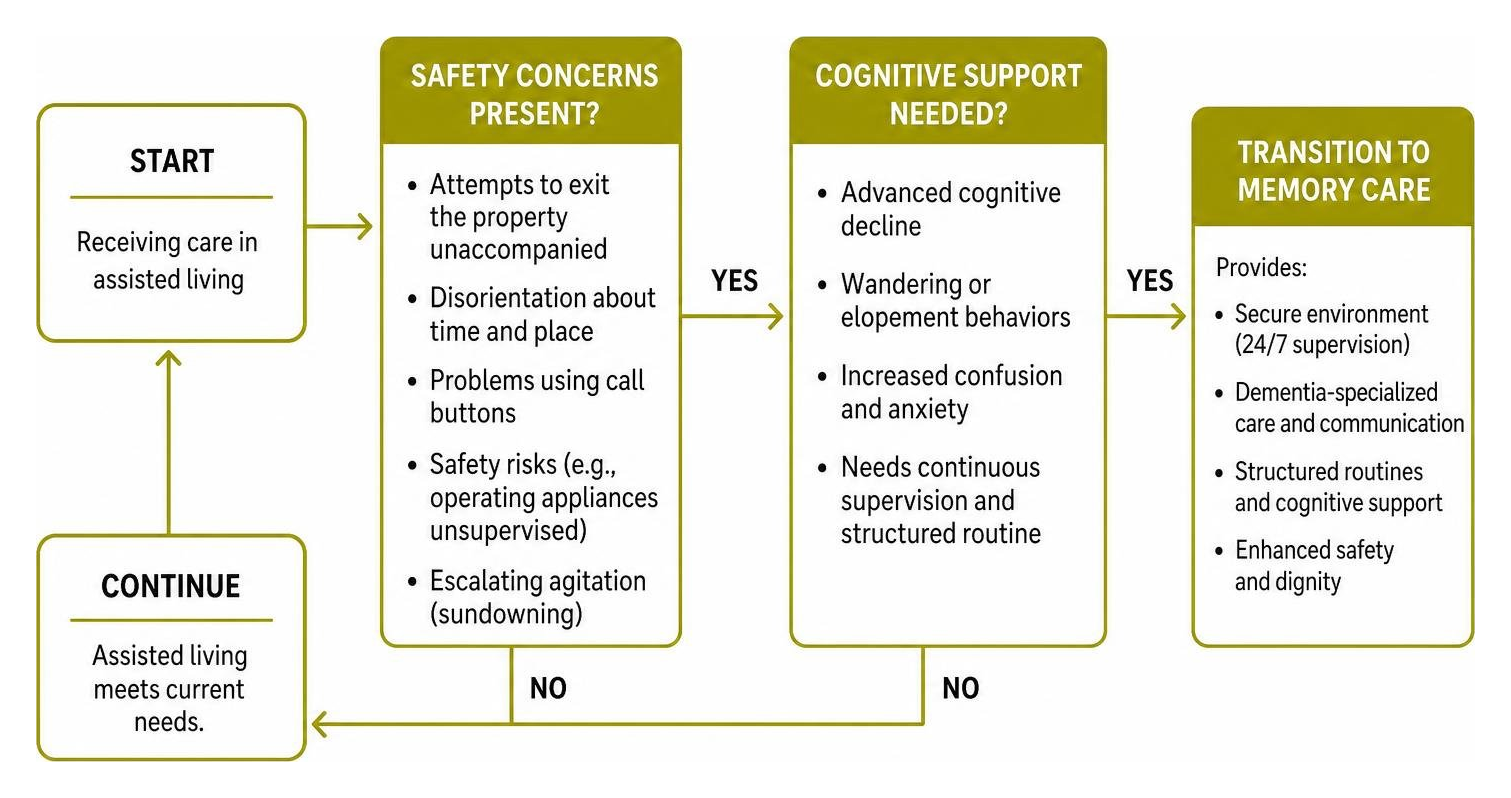
Assisted living communities excel at physical care, but they are generally not equipped to manage advanced cognitive decline. A resident may begin exhibiting elopement behaviors—attempting to exit the property unaccompanied—or struggle with severe disorientation regarding time and place.
When a loved one experiences escalating agitation in the late afternoon (sundowning), forgets how to use call buttons, or presents safety risks such as turning on appliances unsupervised, standard assisted living no longer provides an adequate safety net. At this juncture, transitioning to a specialized memory care community ensures the resident receives continuous observation, medication oversight, and adaptive personal support.
2. Key Signs It Is Time for Specialized Memory Care

Recognizing the boundary between normal age-related forgetfulness and progressive dementia can be challenging. Often, families manage through subtle declines until a safety incident or extreme caregiver strain forces a reevaluation. When home safety is compromised or care needs exceed what a single family member can deliver, seeking a dedicated community becomes the most compassionate step forward. In interim periods, families often utilize short-term respite care to give family caregivers necessary rest while exploring long-term residential options.
Behavioral and Safety Red Flags
A move to specialized memory care is typically indicated by distinct changes in daily functioning and safety awareness:
- Wandering and Spatial Disorientation: Getting lost in familiar neighborhood environments or attempting to leave the home at odd hours.
- Household Hazards: Leaving burners active on the stove, misplacing dangerous chemicals, or forgetting to secure exterior doors.
- Frequent Falls and Mobility Issues: Declining depth perception and motor coordination leading to unattended falls.
- Medication Non-Adherence: Skipping critical daily doses, taking double doses, or struggling to follow prescription schedules.
- Neglected Self-Care: Noticeable decline in personal hygiene, skipping meals, rapid weight loss, or wearing inappropriate clothing for the weather.
- Mood and Personality Shifts: Heightened aggression, extreme paranoia, withdrawal from social circles, or severe anxiety during late afternoon hours.
Physical and Emotional Decline in Caregivers
Caregiving for a parent or spouse with memory loss is physically demanding and emotionally exhausting. Family members frequently experience chronic fatigue, elevated stress levels, and isolation as their loved one’s needs grow.
When a family caregiver’s own physical health deteriorates—or when vigilance prevents restful sleep—the home environment can quickly become unsustainable. Acknowledging that professional care is needed is not a failure of love; rather, it allows family members to step back from the exhausting role of primary caregiver and return to being a supportive son, daughter, or spouse.
3. How to Find and Choose the Best Memory Care Center Near Me
Finding the right community requires a balance of online research, licensing verification, and in-person tours. Rather than relying solely on brochures, families should examine the physical atmosphere, staff interactions, and state compliance records.
Researching a Memory Care Center Near Me Online
Begin your search by compiling a list of licensed residential care facilities in your immediate geographic region. Check public records maintained by state licensing agencies to review any substantiated complaints, citations, or health code violations over the past three years.
Reviewing consumer feedback and local senior resources—such as regional Area Agencies on Aging—can provide independent context. However, online reviews should always be verified firsthand. Note how communities respond to inquiries and whether they offer transparent details regarding their operational structure and purpose-built community amenities.
Key Questions for Touring a Memory Care Center Near Me
When visiting communities in person, prepare targeted questions to assess their operational stability and care quality:
- What specific dementia care certifications and continuing education do your team members complete?
- What is the day-to-day staff-to-resident ratio during the day, evening, and overnight shifts?
- Is a licensed nurse on-site 24/7, or are they on-call during specific hours?
- How does the community handle sudden behavioral changes, agitation, or medical emergencies?
- What is your average staff turnover rate, and how long has the leadership team been in place?
- What are the visiting policies, and how are family members updated on care plan adjustments?
Evaluating Safety Features, Layouts, and Staffing Ratios
Take note of the architectural details during your walk-through. High-quality memory care communities avoid long, institutional hallways in favor of open, circular floor plans that eliminate dead ends and prevent navigational anxiety.
Look for functional safety features, including secure keypad entry/exit doors, enclosed outdoor walking paths, low-glare flooring to prevent visual illusions, and modern safety technology such as smart optical sensors or discreet wander-management bracelets. Watch how staff interact with residents: are conversations rushed, or are caregivers taking time to engage with eye contact, warm touch, and unhurried speech?
4. Comparing Costs and Financial Options for Memory Care
Long-term care costs vary substantially based on geographical location, real estate values, and the required level of hands-on care. Understanding regional averages helps families budget effectively and compare different care settings.
For context, in parts of California like Chula Vista, standard assisted living averages approximately $5,475 per month, compared to state averages of $5,250 and national baselines around $4,500. Other regional markets exhibit varying rates: Riverside averages roughly $4,000 monthly, Los Angeles sits around $5,250, Oxnard averages $5,750, and El Centro reaches $6,150 per month.
When evaluating these figures, families must also consider the costs of alternative care options:
- Adult Day Health Care: Averages $2,058 per month (most affordable option for daytime supervision).
- Homemaker Services: Averages $6,387 per month for dedicated in-home assistance.
- Home Health Aide Services: Averages $6,473 per month for personal home care.
- Assisted Living: Averages $5,475 per month in coastal metropolitan markets.
- Nursing Home Care: Averages $9,384 per month for comprehensive, clinical skilled nursing.
Because memory care includes specialized security, higher staffing ratios, and dementia-trained personnel, monthly rates generally range 20% to 30% higher than baseline assisted living rates in the same market.
Local Cost Breakdown and Care Tier Pricing
Communities typically structure their monthly rates using one of two pricing structures:
- All-Inclusive Pricing: A predictable monthly fee covering room, board, meals, housekeeping, laundry, and all personal care assistance.
- Tiered or Level-of-Care Pricing: A base rate covering room and board, combined with an add-on fee determined by an assessment of the resident’s specific care needs (such as incontinence care, transfer assistance, or specialized dining support).
Always request a detailed fee schedule to clarify what triggers an increase in care fees and how often assessments occur.
Financial Assistance and Payment Strategies
While traditional Medicare does not cover the room-and-board costs associated with residential memory care, several alternative funding sources can help offset expenses:
- Long-Term Care Insurance: Policies often pay daily or monthly benefits toward residential memory care once a physician confirms assistance is needed with two or more ADLs or due to severe cognitive impairment.
- Veterans Aid and Attendance: Eligible wartime veterans and surviving spouses may qualify for monthly pension supplements through Veterans Affairs to help pay for assisted living and memory care.
- Life Insurance Conversions: Certain policies allow policyholders to convert existing coverage into a long-term care benefit account or settle through a life settlement.
- Home Equity and Reverse Mortgages: Selling a private residence or leveraging home equity can provide substantial capital to fund ongoing community care.
- HICAP Counseling: Consulting with local Health Insurance Counseling and Advocacy Programs (HICAP) helps families navigate Medi-Cal waivers and public benefit options available in California.
5. Essential Amenities and Cognitive Programming to Expect

A high-performing memory care center focuses on promoting purpose, independence, and daily joy through tailored health & wellness programs. Rather than passive entertainment, activities should stimulate cognitive function, spark long-term memories, and support emotional balance.
Therapeutic and Life Enrichment Activities
Specialized communities design daily schedules around the unique rhythms of cognitive impairment. We incorporate evidence-based programs, including stimulating activities for seniors with memory loss, to keep residents active and connected:
- Music and Reminiscence Therapy: Familiar melodies from a resident’s youth activate retained neurological pathways, reducing anxiety and elevating mood.
- Montessori-Based Cognitive Engagement: Hands-on tasks that emphasize tactile engagement, sorting, practical life skills, and motor memory.
- Sensory Stimulation: Aromatherapy, tactile textiles, and gentle hand massages designed to calm overstimulation or gently engage withdrawn residents.
- Gentle Movement and Seated Fitness: Balance exercises, stretching, and chair yoga to maintain core strength and reduce fall risks.
- Creative Expression: Art and watercolor sessions that allow self-expression without relying on verbal communication.
Specialized Amenities and Daily Care Infrastructure
In addition to cognitive programming, the physical amenities within memory care are designed to provide comfort, nutrition, and engagement:
- Culinary Programs and Hydration Stations: Freshly prepared meals served with adaptive dining ware, paired with accessible hydration stations throughout the community to prevent dehydration.
- Secure Outdoor Sensory Gardens: Raised garden beds, continuous paved walking circuits, and secure courtyards with weather-appropriate seating.
- Intimate Common Spaces: Quiet nooks, reading corners, and family gathering lounges designed to support meaningful visits without overwhelming visual noise.
- Wellness and Therapy Suites: Dedicated spaces for visiting physical therapists, podiatrists, and occupational specialists to maintain resident mobility.
6. Best Practices for Smoothly Transitioning a Loved One
Moving into a memory care community is a profound life milestone. With careful planning and intentional support, families can minimize disorientation and foster a welcoming, supportive transition.
Preparing the New Living Space
To make the new apartment feel like home from day one, personalize the room before your loved one arrives:
- Incorporate Familiar Furnishings: Use their favorite armchair, familiar bedspread, and well-known bedside lamp.
- Display Clear Visual Cues: Place framed family photographs at eye level with clear labels identifying loved ones.
- Simplify the Wardrobe: Stock closets with a week’s worth of comfortable, easy-to-wear clothing to prevent visual overwhelm.
- Bring Comfort Items: Include familiar heirlooms, sensory blankets, favorite books, or familiar music playlists.
- Avoid Unnecessary Clutter: Keep walkways wide, unobstructed, and well-lit to prevent tripping hazards.
Navigating the First 30 Days of Care
Adjustment takes time. It is completely normal for new residents to experience brief periods of confusion or homesickness during the initial weeks. Partner closely with the care team by sharing a comprehensive life history sheet detailing your loved one’s former career, favorite hobbies, preferred wake-up routines, and personal dislikes.
Encourage participation in cognitive and social activities gradually. In the first week, short, positive visits during peak alert hours (often mid-morning) are typically more effective than lengthy stays that may cause overstimulation. Trust the dedicated caregivers to establish comforting routines, and remember that creating a sense of safety and belonging is a gradual, shared process.
Frequently Asked Questions About Memory Care Centers
What is the average monthly cost of memory care?
Across the United States, baseline assisted living averages around $4,500 per month, while California averages approximately $5,250. Because memory care requires specialized security, around-the-clock supervision, and dementia-certified staffing, monthly memory care fees generally range from $5,500 to $8,500+ depending on the region, room style (private vs. shared), and level-of-care requirements.
Can Medicare or Medi-Cal pay for residential memory care?
Medicare is designed for acute, short-term medical care, rehabilitation, and hospice services; it does not cover long-term residential room, board, or standard custodial care. Medi-Cal may assist eligible low-income seniors through specific Assisted Living Waiver (ALW) programs in participating counties, though waiting lists are common. Most families fund memory care using private funds, long-term care insurance, or Veterans Aid and Attendance benefits.
How does memory care prevent wandering and ensure resident safety?
Memory care centers incorporate secure perimeters, keyless entry/exit doors with coded pads, and enclosed outdoor courtyards that allow safe outdoor access. Many communities also utilize wearable wander-prevention sensors or smart monitoring systems that alert staff if a resident approaches an exit, ensuring prompt, compassionate redirection.
Conclusion
Choosing a memory care community is one of the most significant and loving decisions a family can make. Finding an environment that offers personalized cognitive engagement, skilled 24-hour support, and a secure, uplifting community gives your loved one the framework they need to thrive—while providing your family with genuine peace of mind.
At Villa Toscana Memory Care, our family-owned community combines luxury-style accommodations, personalized care, and innovative architectural design with culinary excellence in Mountain View, CA. We invite you to connect with our team, explore our programs, and discover how our specialized memory care environment can support your family’s journey.